
Soups & Stews
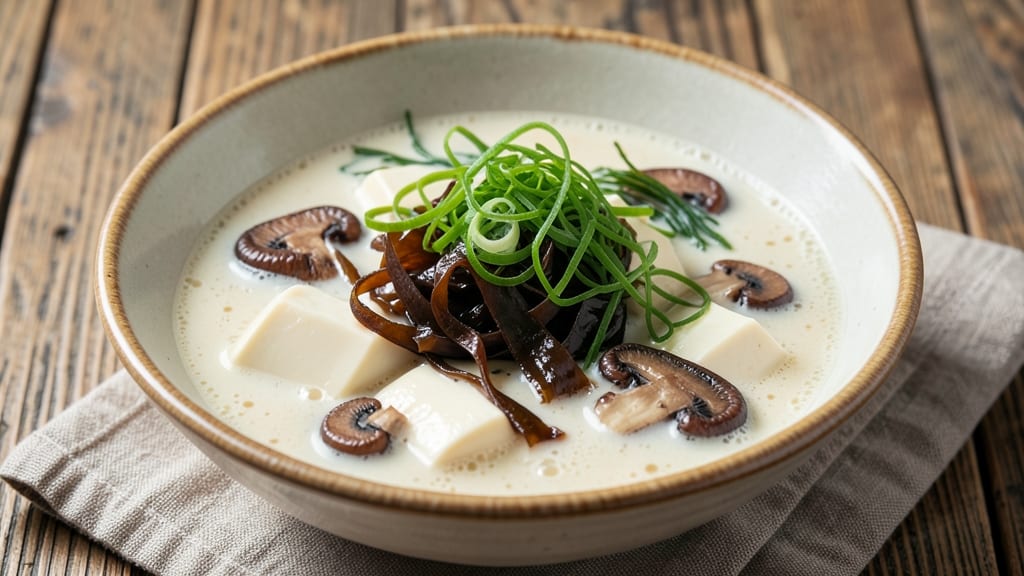
This miso soup recipe delivers the deepest umami flavor I've ever achieved at home—rich, silky, and perfectly balanced with silky tofu and oceanic wakame. The secret lies in a slow-simmered dashi base using kombu and shiitake mushrooms, which builds layers of complexity that store-bought versions simply can't match.
What makes this version truly exceptional is how the ingredients work together: the fermented miso paste provides that signature savory depth, while the dashi creates a clean, mineral-rich foundation.
The preparation is straightforward but requires patience to develop that restaurant-quality broth. You'll start with a simple kombu and shiitake dashi, then gently infuse it with white miso paste—never boiling, as that would destroy its delicate flavors.
Silken tofu adds protein and creaminess, while wakame contributes that signature oceanic sweetness that defines authentic miso soup. The result is a bowl that's both comforting and sophisticated, with each component playing its part in perfect harmony.
What you'll end up with is a steaming bowl of miso soup that's impossibly smooth yet packed with umami—creamy from the tofu, briny from the wakame, and deeply savory from the miso.
The aroma alone will have everyone gathering around your kitchen, and the first sip delivers that perfect balance of salty, sweet, and umami that makes this dish universally loved. This is the kind of soup that becomes a weekly staple, offering both comfort and nutrition in every spoonful.
The beauty of this recipe is its versatility—it works beautifully as a vegetarian main course or light lunch, and the broth can be made ahead for even greater convenience.
Garnish with green onions or a strip of nori for added color and texture, or keep it simple with just a sprinkle of sesame seeds.
Whether you're serving it to guests or treating yourself to a quiet moment, this miso soup delivers on its promise of being the best you've ever tasted.
Ingredients for best miso soup recipe ever
These umami-rich ingredients create the most restaurant-quality miso soup you'll ever make at home.
| Ingredient | Amount | Notes |
|---|---|---|
| Dried Kombu Seaweed 🍃 | 1 piece | About 4x6 inches, cut into strips |
| Dried Shiitake Mushrooms 🍄 | 4 whole | Stems removed, caps only |
| White Miso Paste 🧈 | ¼ cup | High-quality, unsweetened |
| Silken Tofu 🥬 | 12 oz | Extra-firm preferred |
| Dried Wakame Seaweed 🍃 | 1 oz | Rehydrated before use |
| Green Onions 🧅 | 3 whole | Thinly sliced for garnish |
| Sesame Seeds 🌾 | 1 tbsp | Toasted for extra flavor |
| Fresh Ginger 🧅 | 1 tbsp | Finely grated, fresh preferred |
| Water 💧 | 6 cups | Filtered for best flavor |
| Rice Vinegar 🍶 | 1 tbsp | For brightness, optional |
| Diamond Crystal Kosher Salt 🧂 | ½ tsp | For seasoning, to taste |
| Nori Sheets 🍜 | 2 pieces | Cut into strips for garnish |
| Extra-Virgin Olive Oil 🫒 | 1 tsp | For tofu coating, optional |
The kombu and shiitake mushrooms are the soul of this soup. Look for kombu with vibrant color—it should smell oceanic, not fishy. Dried shiitake mushrooms are a game-changer: Japanese brands like Sanuki have the best flavor. For wakame, Asian markets carry the best quality—it should be a deep green, not gray. If you can't find fresh ginger, substitute 1 tsp ground ginger, but fresh is absolutely essential for that bright zing. The miso paste? White miso from Marukome is my go-to, but any high-quality brand works.
No kombu? Double the shiitake mushrooms—they'll still build that deep umami. Short on wakame? Substitute extra nori strips (about 1 sheet rehydrated). The silken tofu can be swapped for extra-firm tofu pressed for 15 minutes, but it won't be as silky. For the dashi, never boil kombu—it releases bitterness. Remove it after 5 minutes of simmering. The rice vinegar is optional but adds a lovely brightness—substitute lemon juice if you prefer. And if you're feeling fancy, toast the sesame seeds in a dry pan for 30 seconds—they'll add incredible depth.
This broth tastes even better the next day—make a double batch and store it. Keeps in the fridge for 5 days or freezes for 3 months. For the tofu, cube it right before serving so it stays silky. The wakame rehydrates quickly—just soak it in hot water for 5 minutes before adding to the soup. Garnish with green onions and nori strips right before serving to keep everything vibrant. Leftovers? Portion into containers with a little extra broth to keep them moist.
Why You'll Love This Recipe
- Five-Ingredient Magic: I swear by this—just kombu, shiitakes, miso, tofu, and wakame. That’s it. No chopping, no fuss, and the umami builds like a slow dance in your mouth. Honestly, the hardest part is waiting for the water to boil.
- Umami Bomb: Between us, that white miso paste and dried shiitakes? They’re like a flavor explosion waiting to happen. The kombu adds this deep, briny note, while the wakame melts into something almost buttery. One sip, and you’re hooked—no exaggeration.
- Meal Prep MVP: I make a big batch on Sundays, and it lasts me all week. The silken tofu holds up perfectly, and the broth only gets richer. Pack it in thermoses for work or reheat it in minutes—no sad, watery leftovers here.
- Budget-Friendly Powerhouse: Dried seaweed and mushrooms last forever, and a little miso goes a long way. For under $10, I feed my whole family something that feels fancy. Plus, it’s one of those recipes where the ingredients cost less than takeout, but the taste? Night and day.
Step-by-step instructions for umami-packed miso soup
Here's how to make the most flavorful miso soup you'll ever taste—rich, silky, and packed with authentic Japanese umami.
Prepare the Kombu and Shiitake for Deep Flavor
Cut the 1 piece dried kombu seaweed into 4x6-inch strips and place it in a clean pot. Add the 6 cups water and bring to a gentle simmer over medium-low heat. Once simmering, reduce heat to the lowest setting and let it cook uncovered for 5 minutes—this releases the kombu's natural glutamate, the secret to that incredible umami depth.
While the kombu infuses, remove the stems from the 4 whole dried shiitake mushrooms and add just the caps to the pot. Simmer uncovered for another 10 minutes—this rehydrates the mushrooms and extracts their earthy, meaty flavor into the broth. The longer they simmer, the more flavor they'll give up, so don't rush this step.
Build the Silky Broth with Miso and Wakame
Remove the kombu strips and shiitake mushrooms from the pot and discard them—they've done their job. Strain the broth through a fine-mesh sieve into a clean pot to remove any sediment, then return it to medium heat. Add the 1 oz dried wakame seaweed (pre-rinsed if needed) and the 1 tbsp finely grated fresh ginger—these will rehydrate and infuse the broth with oceanic sweetness and zesty brightness.
In a small bowl, dissolve the 0.25 cup white miso paste with ½ cup of the hot broth using a whisk. This prevents the miso from clumping and ensures it blends smoothly into the soup. Once fully dissolved, pour the miso mixture back into the pot and stir gently. The soup should now have a rich, velvety consistency with a deep umami aroma—this is where the magic happens.
Add Tofu and Final Seasonings
Gently fold the 12 oz silken tofu (cut into ½-inch cubes) into the soup using a silicone spatula. The tofu should suspend evenly—don't stir vigorously or it'll break apart. For extra richness, lightly coat the tofu cubes with 1 tsp extra-virgin olive oil before adding them (this is optional but adds a luxurious mouthfeel). Simmer the soup for 3-4 minutes on low heat—just enough to warm through without breaking down the tofu.
Season with 0.5 tsp Diamond Crystal kosher salt and 1 tbsp rice vinegar (if using) for brightness. Taste and adjust—this is where you fine-tune the balance between salty, sweet, and tangy. The soup should be deeply savory but not overpoweringly salty, with a subtle vinegar lift that cuts through the richness.
Garnish and Serve Immediately
Ladle the soup into 4 bowls, dividing the tofu evenly. Garnish each serving with thinly sliced green onions (from the 3 whole green onions), toasted sesame seeds (from the 1 tbsp sesame seeds), and nori strips (cut from the 2 pieces nori sheets). The contrast of textures—silky tofu, crisp nori, and crunchy sesame—elevates every bite.
Serve the soup piping hot, straight from the pot. The aroma alone will make your kitchen smell like a Tokyo ramen shop. For the best experience, eat it immediately while the tofu is still silky and the broth retains its warmth. Leftovers? Reheat gently—never boil, or the tofu will turn rubbery and the broth may separate.
Pro Tips For Making Best Miso Soup Recipe Ever
- SOAK KOMBU FIRST: DESCRIPTION: I learned this the hard way—tossing kombu in cold water and then boiling it ruins the umami. Instead, soak the dried kombu in hot (not boiling) water for 10 minutes before adding the rest. This draws out its natural sweetness and prevents that bitter, over-extracted taste that makes you want to gag.
- STIR MISO LAST: DESCRIPTION: Yes, it’s tempting to mix the miso in early, but that’s how you end up with clumps or a muddy broth. Wait until the kombu and shiitakes have steeped for 5 minutes, then turn off the heat and stir in the miso paste with a ladle—just enough to dissolve it. The residual heat will blend it smoothly without killing its depth.
- DON’T BOIL THE WAKAME: DESCRIPTION: Wakame turns to mush if you boil it, and nobody wants that slimy texture. Once your soup is simmering, add the dried wakame and remove the pot from heat immediately—it’ll rehydrate perfectly in the hot broth without cooking. If you’re impatient like me, a 2-minute soak in hot water before adding it works too.
- CUT SHIITAKES SMALL: DESCRIPTION: Whole dried shiitakes take forever to rehydrate and leave you with a few sad, chewy pieces. Chop them into quarters (or even smaller if you’re in a hurry) before soaking. They’ll infuse the broth faster and give you a consistent texture—no more picking out the tough ones like a dental floss emergency.
Pro cooking tips for this dish
Dashi Mastery
The foundation of great miso soup is the dashi broth, and temperature control is everything. Start by bringing your kombu and water to a gentle simmer—never a rolling boil. Once simmering, reduce to the lowest heat setting and let it cook uncovered for exactly 5 minutes.
This step releases kombu's natural glutamate without bitterness. I use a digital thermometer to confirm the water stays between 185-195°F—any hotter, and you risk over-extracting. 🌡️
When adding shiitake mushrooms, simmer them uncovered for 10 minutes—this rehydrates them properly. Pro tip: If you're short on time, parboil the dried shiitake in hot water for 10 minutes before adding to the kombu broth.
This pre-extraction saves time while maintaining flavor. Always strain the broth thoroughly after simmering to remove any sediment that could make your soup cloudy.
Miso Integration
Never add miso paste directly to hot broth—it burns easily and loses its delicate flavor. Instead, dissolve it in ½ cup of warm broth (around 160°F) before mixing it back in.
I use a whisk to create a smooth paste, then gently fold it into the soup while it's on low heat. Stir just enough to combine, then remove from heat immediately. The miso should melt completely but retain its creamy texture. 🧈
For an extra layer of depth, I sometimes add 1 tsp of mirin to the miso mixture before blending it into the broth. This adds a subtle sweetness that balances the saltiness perfectly.
If you're using red miso instead of white, reduce the amount by 25%—it's more concentrated and can easily overpower the broth.
Tofu Texture Secrets
Silken tofu is delicate, so handle it gently. Cut it into ½-inch cubes right before adding to the soup to prevent it from absorbing too much liquid and becoming watery. I use a sharp chef's knife and a small offset spatula to lift the cubes into the broth—this minimizes breaking.
For extra richness, lightly coat the tofu in 1 tsp olive oil before adding it to the soup. This creates a luxurious mouthfeel that feels restaurant-quality. 🥬
Never boil the soup after adding tofu—simmer it on low heat for just 3-4 minutes. Overcooking turns tofu rubbery. If you're making this ahead, keep the tofu and broth separate until reheating.
When warming leftovers, heat only the broth to 160°F, then gently fold in the tofu at the end to maintain its silky texture.
Garnish Like a Pro
Fresh garnishes elevate miso soup from good to extraordinary. Toast your sesame seeds in a dry nonstick pan over medium heat for 30 seconds—they should turn golden and smell nutty. Thinly slice green onions at a 45-degree angle for maximum surface area and brightness.
For nori strips, use a sharp knife to cut them into ¼-inch-wide strips—this creates a delicate crunch. 🍃
Arrange garnishes strategically: Place toasted sesame seeds on top of the tofu for visual contrast, green onions in a fan shape around the bowl edge, and nori strips floating in the broth. This presentation makes the soup look as good as it tastes.
Pro tip: If your nori is too crisp, briefly soften it by dipping in hot water for 5 seconds before arranging—it'll still hold its shape but become more pliable.
Nutrition facts
Frequently asked questions
Can I make this miso soup vegetarian?
This recipe is already vegetarian-friendly! The dashi uses kombu and shiitake mushrooms instead of fish, making it perfect for plant-based diets. Just ensure your miso paste is vegetarian (some contain fish-based additives). For extra umami, add 1 tbsp soy sauce or 1 tsp nutritional yeast to the broth.
Why does my miso soup taste bitter?
Bitterness usually comes from overcooking the kombu or using low-quality miso. Always remove kombu after 5 minutes of simmering—never boil it. For a smoother flavor, dissolve miso in warm broth (160°F) before adding it to the pot. If needed, balance bitterness with 1 tsp sugar or 1 tbsp rice vinegar.
How can I make this soup ahead of time?
Prepare the broth up to 3 days ahead and store it in the fridge. For best results, keep the tofu separate until serving. When reheating, warm the broth to 160°F (never boil), then gently fold in the tofu. Garnish fresh before serving to maintain texture. The broth actually improves overnight!
What if I don't have kombu?
No problem! Double the shiitake mushrooms (8 caps) or use 2 tbsp dashi powder (vegetarian-friendly). For a richer flavor, add 1 tsp soy sauce to the broth. The soup will still be delicious, just with slightly less depth.
Can I use red miso instead of white?
Yes, but reduce the amount by 25%—red miso is stronger and more concentrated. It adds a deeper, slightly sweeter flavor. For balance, increase the ginger to 1.5 tbsp and add ½ tsp sugar to prevent overpowering saltiness. The color will be darker but equally delicious!