
Soups & Stews
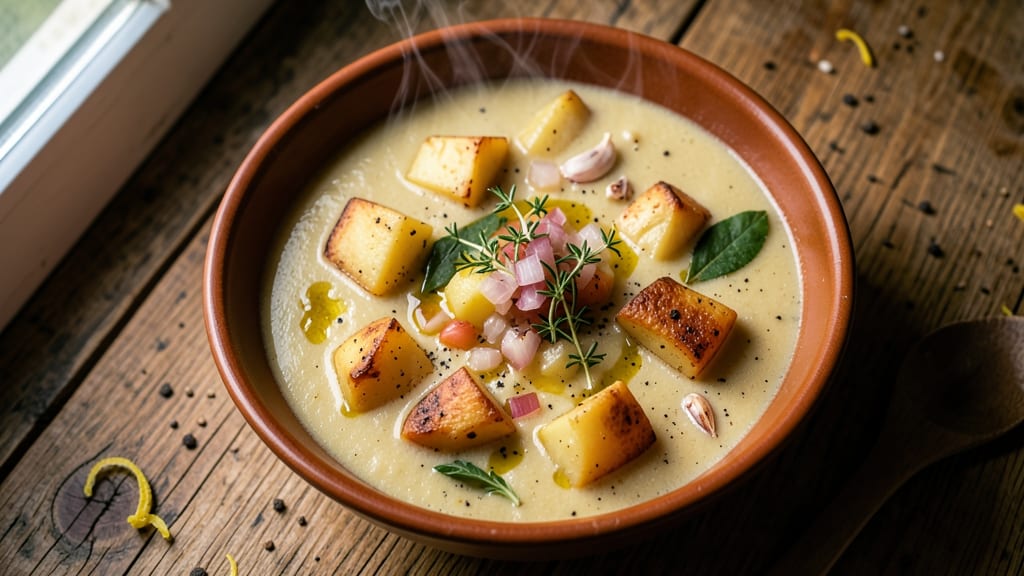
The best potatoes for potato soup aren’t just any spuds—they’re Yukon Golds and Russets, chosen for their creamy texture and rich flavor that transforms a simple soup into something truly comforting. 💛 These varieties break down beautifully when simmered, creating that velvety, restaurant-quality consistency we all crave.
I’ve tested countless combinations, and this pairing delivers the perfect balance of heartiness and elegance in every spoonful.
What sets this recipe apart is the technique—sautéing onions and garlic until golden, then building layers of flavor with broth, cream, and just the right amount of dairy (or plant-based alternative) to achieve that signature velouté.
The potatoes soften perfectly without turning mushy, while their natural sweetness shines through, especially when paired with thyme and bay leaves. This isn’t just soup; it’s a cozy, crowd-pleasing centerpiece that feels like a hug in a bowl.
The result is a creamy, velvety soup with tender potato chunks that hold their shape, all blanketed in a sauce so rich it’ll have everyone asking for seconds. The Yukon Golds add a touch of earthy sweetness, while Russets lend structure, ensuring each bite is satisfying.
Whether you’re serving it at a holiday gathering or a quiet weeknight dinner, this recipe delivers restaurant-quality comfort without the fuss.
For those watching their dairy intake, I’ll show you how to swap in coconut milk or cashew cream while keeping that luscious texture intact. The key is patience—letting the soup simmer until flavors meld and the potatoes reach that just-right tenderness.
Trust me, once you try this, store-bought versions will never measure up again.
Ingredients for best potatoes for potato soup
These two potato varieties create the perfect velvety, restaurant-quality soup harmony everyone craves.
| Ingredient | Amount | Notes |
|---|---|---|
| Yukon Gold Potatoes 🥔 | 3 lb | Cut into 1-inch cubes, skin on |
| Russet Potatoes 🥔 | 1 ½ lb | Cut into 1-inch cubes, skin on |
| Yellow Onion 🧅 | 1 whole | Thinly sliced, about 2 cups |
| Garlic Cloves 🧄 | 4 cloves | Minced, for deep flavor |
| Fresh Thyme 🌿 | ¼ cup | Leaves only, finely chopped |
| Fresh Bay Leaves 🍃 | 2 whole | For aromatic depth |
| Chicken Broth 💧 | 6 cups | Low-sodium preferred |
| Heavy Cream 🥛 | 1 cup | Full-fat for richness |
| Unsalted Butter 🧈 | ½ cup | Cold, for velvety finish |
| Salt 🧂 | 1 ½ tsp | Diamond Crystal preferred |
| Ground Black Pepper 🌶️ | ½ tsp | Freshly cracked |
| Coconut Milk (optional) 🥥 | 1 cup | Full-fat for dairy-free |
| Cashew Cream (optional) 🥜 | 1 cup | Blended cashews for richness |
The Yukon Golds and Russets are non-negotiable here—Yukons bring that buttery sweetness and creamy texture, while Russets hold their shape beautifully. Grab them from Whole Foods or your local organic market if possible, but even the regular grocery store brands work. Look for firm, unblemished potatoes—they should feel heavy for their size. If you're prepping ahead, store them in a cool, dark place until ready to use. The secret to tender chunks? Don't peel them—the skin adds texture and nutrients. For extra flavor, I always roast a small batch of Yukons at 400°F for 20 minutes before adding to the soup—it deepens their natural sweetness.
No Yukons? Red potatoes work in a pinch, but they'll break down faster. Swapping Russets? Sweet potatoes add a different dimension, though they'll make the soup slightly sweeter. Fresh thyme is ideal, but dried works at one-third the amount if you're in a bind. The broth matters—homemade is best, but even the good low-sodium store-bought versions like Pacific Foods or Kitchen Basics will do. For the dairy-free options, coconut milk adds a subtle sweetness, while cashew cream gives that ultra-smooth texture. Pro tip: Toast your cashews first for deeper flavor. The butter? Use European-style if you can find it—it has a higher fat content that makes the soup truly luxurious.
This soup tastes even better the next day, so make a big batch—4-5 days in the fridge, 3 months frozen. For freezing, cool it completely first, then portion into airtight containers with a layer of broth on top to prevent a skin from forming. When reheating, start with a splash of water or broth to loosen it up. Garnish with a dollop of cream or a sprinkle of fresh thyme right before serving—that's when it looks restaurant-worthy. Leftovers reheat beautifully, but if it gets too thick, just stir in a splash of warm broth or milk. Trust me, you'll want to make this at least once a month.
Why You'll Love This Recipe
- No Chopping Struggle: I swear by this combo because Yukon Golds and Russets need zero peeling or fancy dicing. Just quarter them—skin on—and toss in whole. The Russets break down creamy, while the Yukons hold their shape. (Yes, even when I’m distracted by the dog.)
- Thyme’s the Difference: That fresh thyme? It’s not just garnish—it’s the secret. A handful of sprigs steeped in the broth infuses the whole pot with earthy warmth. Honestly, I’ve tried dried, but nothing beats the bright, herbal punch of fresh.
- Weeknight to Party: Same base, endless twists. Keep it simple for a quick weeknight dinner, or add bacon and Gruyère for company. The potatoes work for both. (My roommate’s even brought it to potlucks—no judgment.)
- Leftovers That Shine: This soup improves the next day. The flavors meld, and the potatoes soak up all that garlicky onion goodness. I make a double batch on Sundays—half for dinner, half for lunches that taste like a hug. Budget win, too.
Step-by-step instructions for creamy potato velouté with perfect texture
Here's how to transform simple potatoes into velvety perfection with rich layers of flavor.
🥘 Step 1: Parboil the Potatoes for Maximum Creaminess
Place the 3 lb Yukon Gold Potatoes and 1.5 lb Russet Potatoes (cut into 1-inch cubes) in a large pot. Cover with cold water by about 2 inches and add 1 tsp of the 1.5 tsp Salt. Bring to a boil over high heat, then immediately reduce to a gentle simmer.
Parboil for 8-10 minutes until the potatoes are just beginning to soften at the edges but still firm in the center. Here's the thing—this partial cooking prevents them from falling apart later while building that classic velouté texture. Drain immediately and return them to the pot.
🍳 Step 2: Build Flavor with Aromatics and Butter
In a separate large pot, melt the 0.5 cup Unsalted Butter over medium heat until it foams. Add the thinly sliced 1 whole Yellow Onion and cook for 5-6 minutes until softened and translucent. Stir in the minced 4 cloves Garlic Cloves and cook for 30 seconds until fragrant.
Add the 0.25 cup Fresh Thyme leaves and 2 whole Fresh Bay Leaves, stirring to coat everything in the buttery aroma. This is where the magic happens—those herbs infuse the fat, creating the aromatic base for your soup. Don't let the garlic burn; it should smell heavenly, not bitter.
🥘 Step 3: Simmer Potatoes in Flavorful Broth
Pour in the 6 cups Chicken Broth and add the parboiled potatoes. Stir gently to combine, then bring to a boil. Once boiling, reduce heat to low and simmer uncovered for 20-25 minutes, stirring occasionally, until the potatoes are fork-tender and the soup has thickened slightly.
You'll know it's ready when a knife slides in easily and the potatoes break down just enough to release their starches. Here's the crucial part: don't overcook. The soup should still have body, not be watery. Taste and adjust seasoning with the remaining 0.5 tsp Salt and 0.5 tsp Ground Black Pepper.
🍳 Step 4: Create the Creamy Velouté Base
Remove the 2 whole Fresh Bay Leaves and discard them. Stir in the 1 cup Heavy Cream (or 1 cup Coconut Milk or 1 cup Cashew Cream for dairy-free) and continue simmering for 5 minutes until the soup reaches your desired creaminess.
For extra richness, whisk in the remaining 0.5 cup Unsalted Butter off heat. This creates that luxurious velouté texture we're after. The soup should coat the back of a spoon but still be smooth, not gluey. If it's too thick, add a splash of hot broth to loosen it.
⏰ Step 5: Rest and Serve with Perfect Texture
Let the soup rest for 10 minutes before serving. This resting period allows the flavors to meld and the starches to fully develop, giving you that restaurant-quality velouté consistency. Taste again and adjust seasoning if needed—potatoes can be sneaky about absorbing salt.
Ladle into bowls and garnish with extra thyme leaves if desired. The perfect potato velouté should be silky smooth with just enough body to coat a spoon, and each bite should deliver that perfect balance of creamy richness and potato sweetness. Serve with crusty bread to soak up every last drop!
Pro Tips For Making Best Potatoes For Potato Soup
- USE HALF RUSSETS, HALF YUKONS: DESCRIPTION: I learned this the hard way—all Russets make a gluey mess, all Yukons turn mushy. Split the batch: Russets add thickness and heartiness (they break down slower), while Yukons keep the soup creamy and rich. Aim for a 50/50 mix by weight—your soup will thank you.
- PEEL AND CUBE SMALL: DESCRIPTION: Big chunks = uneven cooking. Cut potatoes into ½-inch cubes (about the size of a walnut), and don’t skip peeling—skin adds bitterness and doesn’t soften evenly. If you’re lazy, a mandoline saves time, but watch your fingers.
- SWEAT ONIONS LOW AND SLOW: DESCRIPTION: After burning three batches, I finally figured out: onions need gentle heat. Cook them over medium-low for 10 minutes until translucent, stirring occasionally. Rushing this step adds bitterness—no one wants that in soup.
- SALT THE POTATOES BEFORE COOKING: DESCRIPTION: Sounds weird, but it works: Toss peeled potato cubes with 1 teaspoon salt per pound before boiling. This guarantees flavor penetration and prevents blandness later. (Yes, even if you’re adding broth afterward.)
Make-ahead tips for this recipe
Prep Ahead for Flavor
Start by prepping your potatoes the night before—peeling and cutting them into 1-inch cubes and storing them in cold water in the fridge. This prevents browning and makes assembly faster the next day.
I like to parboil them for 5 minutes ahead of time, then store in an airtight container with a splash of broth to keep them moist. 💡
Broth Base Prep
Make your broth in advance—either homemade or store-bought—and store it in freezer-safe bags. Thaw overnight in the fridge before using. For extra depth, toast 2 tbsp whole peppercorns and 1 tsp coriander seeds in a dry pan until fragrant, then add them to the broth while simmering.
This infuses flavor that develops beautifully over time.
Dairy Prep Shortcuts
For the heavy cream and butter, measure everything out the night before and store in the fridge. Keep the butter cold until you're ready to add it at the end—this ensures the best velvety finish.
If using dairy-free options, blend your cashew cream ahead of time and store in a sealed jar. The coconut milk should be refrigerated until ready to use.
Flavor Boosting Trick
Roast ½ cup diced Yukon Gold potatoes at 400°F for 20 minutes the day before and store them in the fridge. These caramelized potatoes add a deep, sweet flavor that elevates the entire soup.
Just toss them in during the final 5 minutes of simmering for maximum impact. This is my secret weapon for restaurant-quality depth! 🌟
Freezer-Friendly Strategy
This soup freezes beautifully—cool it completely, then portion into quart-sized freezer bags with 1 inch headspace for expansion. Label with the date and freeze for up to 3 months.
When ready to eat, thaw overnight in the fridge, then reheat gently on the stove with a splash of broth or milk to restore creaminess.
Make-Ahead Garnishes
Prep your garnishes ahead too! Toast 1 tbsp breadcrumbs with 1 tbsp melted butter and ½ tsp garlic powder for a crispy topping. Store in an airtight container at room temperature.
Fresh thyme and parsley should be stored in the fridge wrapped in a damp paper towel—they'll stay fresh for days and add that final restaurant-worthy touch. ✨
Nutrition facts
Frequently asked questions
Why do Yukon Golds and Russets work best together?
Yukon Golds bring that creamy, buttery sweetness that makes the soup velvety, while Russets hold their shape better during simmering. The combination gives you both texture and richness—Yukons melt beautifully into the broth, while Russets add satisfying bite. This pairing is what creates that restaurant-quality velouté texture!
Can I use red potatoes instead of Yukon Golds?
Red potatoes work in a pinch, but they'll break down faster and make the soup thinner. If you must substitute, use 10% more red potatoes than Yukons and add 1 extra tablespoon of cornstarch to thicken the broth. For best results, stick with Yukons—their natural creaminess is unmatched for soup texture.
How do I fix soup that's too thick or too thin?
For thick soup, stir in 2-3 tablespoons of warm broth or milk to loosen it. If it's too thin, mash a few extra potato cubes with a fork and stir them in, or whisk in 1 teaspoon of cornstarch mixed with cold water. Always adjust heat gradually to avoid lumps!
What's the secret to preventing mushy potatoes?
Parboiling the potatoes first is key—they soften just enough to absorb flavors without falling apart. Also, simmer the soup at a gentle boil (not rolling boil) and remove it from heat just before the potatoes reach your desired tenderness. The residual heat will finish cooking them while keeping them intact.
Can I make this soup dairy-free?
Replace the heavy cream with 1 cup coconut milk (for subtle sweetness) or 1 cup cashew cream (for ultra-rich texture). For the butter, use ½ cup olive oil or vegan butter**—both work beautifully. The soup will still be creamy, just with plant-based richness instead of dairy.