
Soups & Stews
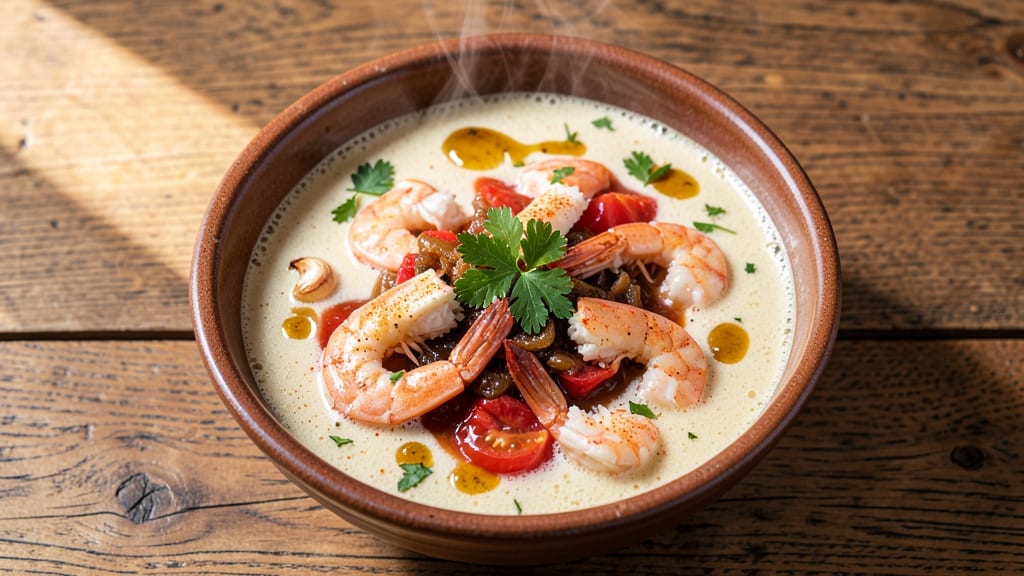
This seafood soup with crab and shrimp is the best recipe for a tasty seafood soup that delivers restaurant-quality depth in every spoonful—rich tomato base, tender seafood, and aromatic spices that transform simple ingredients into something extraordinary.
The secret lies in braising the seafood just until it's tender, preserving its delicate texture while infusing it with the spiced tomato broth that forms the soul of this dish. I've perfected this technique over years of coastal cooking, where fresh seafood and bold flavors are non-negotiable.
The recipe begins with a slow reduction of tomatoes, garlic, and white wine to create a complex, umami-packed base that carries the flavors of the seafood. Shrimp and crab are added at precise moments—shrimp first to cook quickly, then crab to melt into the broth without overcooking.
This method ensures each bite delivers juicy shrimp and luxuriously tender crab, all bathed in a sauce that's both velvety and deeply flavorful.
What sets this apart is the balance—bright lemon notes cut through the richness, fresh herbs add freshness, and a touch of cream (optional) rounds out the texture. The result is a soup that feels indulgent yet remains light enough for a summer dinner or elegant enough for a dinner party.
Every ingredient plays a role, from the caramelized onions that sweeten the broth to the fresh parsley that finishes the dish with a pop of color and freshness.
Serve with crusty bread to soak up every last drop of that aromatic, seafood-infused broth, or pair it with a simple green salad to balance the meal.
This isn't just soup—it's a celebration of the sea, where every spoonful tells a story of coastal flavors and careful technique. Ready to make it?
Ingredients for best recipe for tasty seafood soup with crab and shrimp
Rich tomato base meets delicate seafood—here's what brings this restaurant-quality soup to life.
| Ingredient | Amount | Notes |
|---|---|---|
| Fresh Blue Crab Meat 🦀 | 1 ½ lb | Lump or claw meat preferred |
| Large Shrimp 🍤 | 1 lb | Peeled, deveined, tails on |
| Canned San Marzano Tomatoes 🍅 | 2 cups | Crushed by hand for best texture |
| Yellow Onion 🧅 | 1 whole | Thinly sliced, caramelized |
| Garlic Cloves 🧄 | 4 cloves | Minced, not pre-minced jar |
| Dry White Wine 🍷 | ½ cup | Sauvignon Blanc preferred |
| Heavy Cream 🥛 | ¼ cup | Optional, for richness |
| Fresh Lemon Juice 🍋 | 2 tbsp | Freshly squeezed |
| Fresh Parsley 🌿 | ¼ cup | Chopped, for garnish |
| Fresh Thyme 🌿 | ½ tsp | Leaves only, finely chopped |
| Bay Leaves 🌿 | 2 whole | Fresh preferred |
| Extra-Virgin Olive Oil 🫒 | ¼ cup | For sautéing onions |
| Salt 🧂 | 1 ½ tsp | Diamond Crystal preferred |
| Ground Black Pepper 🌶️ | ½ tsp | Freshly ground |
| Dried Oregano 🍃 | ½ tsp | Mediterranean blend preferred |
The seafood is non-negotiable. Blue crab meat should be fresh, preferably bought live and shucked the same day—look for vibrant color and minimal shell fragments. Shrimp from a trusted fishmonger makes all the difference; avoid frozen unless it's previously cooked. For the tomatoes, San Marzano cans are worth the splurge—their sweetness and low acidity build a deeper flavor. Caramelizing the onions low and slow (about 20 minutes) develops natural sweetness that balances the acidity in the broth. If you're near the coast, Whole Foods or local seafood markets are your best bets for quality seafood.
No fresh seafood? Pre-cooked shrimp and canned crab meat work in a pinch, but texture suffers. Swap white wine for dry vermouth at half the amount if needed. The heavy cream is optional but recommended—half-and-half works if you're watching calories. For herbs, dried oregano at one-third the amount gets you close if fresh isn't available. The lemon juice should be freshly squeezed; bottled lacks the bright acidity. If you can't find San Marzano tomatoes, whole peeled tomatoes crushed by hand work better than sauce. And always taste the broth before adding seafood—adjust salt and pepper as needed.
Seafood cooks fast—keep it chilled until ready to add. The finished soup reheats beautifully but never boil after adding seafood. Store in airtight containers for 2-3 days in the fridge or 3 months frozen. For make-ahead prep, cook the broth base completely, cool, and freeze. The seafood can be added fresh when reheating. Garnish with extra parsley and a drizzle of olive oil just before serving—that final touch elevates everything. Leftovers make perfect lunches with crusty bread.
Why You'll Love This Recipe
- One-Pot Magic: I swear by this recipe because it’s actually one-pot—no extra bowls, no fuss. Just sauté the onion and garlic, toss in the San Marzano tomatoes (trust me, they’re the secret), then dump in the shrimp and crab. The broth simmers right there while you’re still cleaning the cutting board.
- Tomato-Garlic Bomb: That first spoonful of soup? Chef’s kiss. The San Marzano tomatoes give it a natural sweetness, while the garlic—roasted just enough—adds this deep, toasty punch. The crab and shrimp soak up the flavor like sponges, making every bite rich without being heavy.
- Weeknight to Dinner Party: Honestly, this is my go-to for lazy Tuesdays and when I have company. For a crowd, double the shrimp—it’s forgiving that way. Serve it with crusty bread for a casual meal or add a splash of white wine and fresh parsley to impress guests. No judgment either way.
- Leftovers That Don’t Suck: Most seafood soups turn rubbery the next day, but not this one. The tomatoes keep it bright, and the crab stays tender. I’ll make a big batch, freeze half, and reheat it later—still just as good, if not better. (Yes, even on a Tuesday night.)
Step-by-step instructions for braised seafood soup with crab and shrimp
This method delivers restaurant-quality depth through careful layering of flavors and precise timing.
Develop the Tomato Base with Onions and Garlic
Heat the 0.25 cup extra-virgin olive oil in a large Dutch oven over medium-low heat. Add the thinly sliced yellow onion and cook for 15-20 minutes until deeply caramelized—edges should be golden brown and edges slightly crisp. This slow cooking transforms the onion into sweet, jammy bits that form the soup's foundation.
Add the 4 minced garlic cloves and cook for 30 seconds until fragrant but not browned. Immediately pour in the 2 cups crushed San Marzano tomatoes, then add 0.5 tsp dried oregano, 0.5 tsp salt, and 0.5 tsp ground black pepper. Stir well and simmer uncovered for 10 minutes until the mixture thickens slightly and the raw tomato taste disappears. The base should coat the back of a spoon with a rich, velvety texture.
Deglaze and Build Flavor with Wine
Remove the Dutch oven from heat and carefully pour in the 0.5 cup dry white wine, scraping up any browned bits from the bottom with a wooden spoon. This deglazing captures all the caramelized onion and tomato flavors that would otherwise burn. Return to medium heat and simmer for 5 minutes until the wine has completely evaporated and the liquid reduces by half.
Add the 2 whole bay leaves and 0.5 tsp fresh thyme leaves, then return to a gentle simmer. Here's the thing—this step is where the soup's complexity develops. The wine's acidity brightens the tomatoes while the herbs infuse subtle earthy notes. Let it simmer uncovered for another 8 minutes to allow the flavors to meld completely.
Add Seafood and Simmer Gently
Gently fold in the 1.5 lb fresh blue crab meat and 1 lb large shrimp (peeled and deveined with tails on). The key here is to avoid overcooking—seafood turns rubbery quickly. Stir just once to distribute the seafood evenly, then reduce heat to low and cover partially with a lid. Simmer for 3-4 minutes—just until the shrimp turn opaque and the crab meat becomes plump and slightly translucent.
Remove the soup from heat and stir in the 0.25 cup heavy cream (if using) and 2 tbsp fresh lemon juice. The acidity from the lemon brightens the dish while the cream adds luxurious richness. Let it sit off heat for 2 minutes to allow the cream to gently warm through without curdling. The seafood should be fully heated through but still tender—if any pieces remain undercooked, return to low heat for 1 additional minute maximum.
Finish and Garnish Professionally
Remove the 2 bay leaves and discard them. Taste and adjust seasoning—you may need to add a pinch more salt or black pepper depending on the quality of your seafood. The soup should balance rich tomato depth with bright seafood sweetness and herbal notes.
Ladle the soup into warmed bowls and garnish each serving with 1 tablespoon chopped fresh parsley. The parsley adds a fresh contrast to the rich braised flavors. Serve immediately with crusty bread to soak up every last drop of that luxurious seafood broth. The finished soup should have a velvety consistency with visible pieces of perfectly cooked seafood suspended in a deeply flavorful tomato-herb broth.
Pro Tips For Making Best Recipe For Tasty Seafood Soup With Crab And Shrimp
- Sear Shrimp First: I used to toss shrimp in raw—big mistake. Heat a separate pan with olive oil over medium-high, add shrimp with a pinch of salt, and cook just until opaque (about 2 minutes per side). The extra flavor carries through the soup, and you won’t end up with rubbery bits.
- Rough Up the Crab Meat: Skip the pre-shredding. Tear the blue crab meat into slightly uneven chunks—this keeps it from turning to mush. (Yes, it looks less uniform, but it stays intact and delivers that satisfying texture.)
- Simmer, Don’t Boil: After adding tomatoes and aromatics, bring to a gentle simmer—not a rolling boil. Shrimp and crab cook in seconds, and you’ll avoid cloudy broth. Cover and let it barely bubble for 8–10 minutes—just enough to meld flavors.
- Toast the Onion: Caramelize the onion until it’s deep amber (about 15 minutes) before adding garlic. The sweetness balances the briny seafood, and the flavor becomes the soup’s backbone. (I know, it takes time—but trust me, it’s worth it.)
Storing and reheating your leftovers
Refrigerator Storage
Let your seafood soup cool to room temperature (about 30 minutes) before transferring to airtight glass containers. I use 4-cup Pyrex bowls with snap-on lids to preserve freshness.
Store in the fridge at 40°F or below for up to 3 days, though I find the flavors peak within 24 hours—the seafood absorbs the broth beautifully. Always leave ½-inch headspace to prevent condensation from diluting the flavors. 🥫
Freezer Prep Tips
For longer storage, freeze the soup in quart-sized freezer bags or silicone molds—these prevent freezer burn better than rigid containers. Portion into single-serving sizes for easy reheating. The broth base freezes exceptionally well for up to 3 months, while the seafood should be added fresh when reheating.
Label with the date and "seafood soup" to avoid confusion. 📅
Reheating Perfection
For the best texture, reheat on the stovetop over medium-low heat. Add 2 tablespoons water or broth per serving to prevent drying. Bring to a gentle simmer and cook for 5-7 minutes, stirring occasionally.
Avoid boiling—this can turn the seafood rubbery. If using the microwave, heat on 50% power for 2-3 minutes, then stir and continue in 30-second intervals until warmed through. 🔥
Reviving Seafood Texture
If reheated seafood looks slightly dry, add a splash of fresh lemon juice or a pat of butter to restore moisture. For extra richness, stir in 1 tablespoon heavy cream during reheating.
The soup's velvety consistency may thicken slightly after refrigeration—thin with warm water or broth if needed. Always taste and adjust seasoning after reheating, as flavors can mellow during storage. ✨
Garnish Refresh
Brighten reheated soup with fresh garnishes. A sprinkle of chopped parsley, a drizzle of extra-virgin olive oil, or a pinch of red pepper flakes adds vibrant contrast. For extra freshness, add iceberg lettuce leaves or thinly sliced radishes just before serving—they stay crisp even after reheating.
These final touches make reheated soup feel as good as the first serving. 🌿
Make-Ahead Broth Base
Save time by prepping the tomato-wine broth base ahead. Cook it completely, then cool and freeze in 1-cup portions. When ready to serve, thaw overnight in the fridge, then add fresh seafood and simmer for 5 minutes.
This method keeps the seafood perfectly tender while letting you enjoy the soup's complex flavors without last-minute prep. Perfect for busy weeknights! ⏰
Nutrition facts
Frequently asked questions about seafood soup with crab and shrimp
Can I substitute other seafood in this recipe?
For a similar texture, swap shrimp for scallops or mussels—they cook quickly like shrimp. Use lobster or crab claws instead of lump meat for a meatier bite, but reduce cooking time to 2 minutes to avoid toughness. Avoid fish fillets—they require longer cooking and can make the broth fishy.
Why does my seafood soup taste bland after reheating?
Reheating often mellows flavors because the seafood absorbs some of the broth. Boost it with 1 tablespoon fresh lemon juice or 1 teaspoon fish sauce when reheating. Also, add a pinch of smoked paprika or cayenne for depth. The key is to taste and adjust—don't just add salt, which can overpower.
How do I keep the seafood from turning rubbery?
Never overcook! Once the shrimp turn opaque (3-4 minutes max) and crab meat plumps, remove from heat immediately. Use a thermometer—seafood should reach 145°F (shrimp) or 140°F (crab) max. If reheating, keep heat low and add 1 tablespoon cream to restore moisture.
What's the best wine to use if I don't have Sauvignon Blanc?
Any dry white wine works! Pinot Grigio or Chardonnay add richness, while Verdejo or Viognier bring floral notes. Avoid sweet wines—they'll make the soup cloying. If using red, opt for Pinot Noir (light-bodied) and reduce cooking time by 2 minutes to prevent bitterness.
Can I make this soup ahead and freeze it?
Yes, but freeze the broth base only (without seafood) for up to 3 months. Thaw overnight, then add fresh seafood and simmer for 5 minutes to avoid rubberiness. For the full soup, freeze in single-serving portions and reheat gently—microwaving can make seafood dry. Label containers with the date!