
Soups & Stews
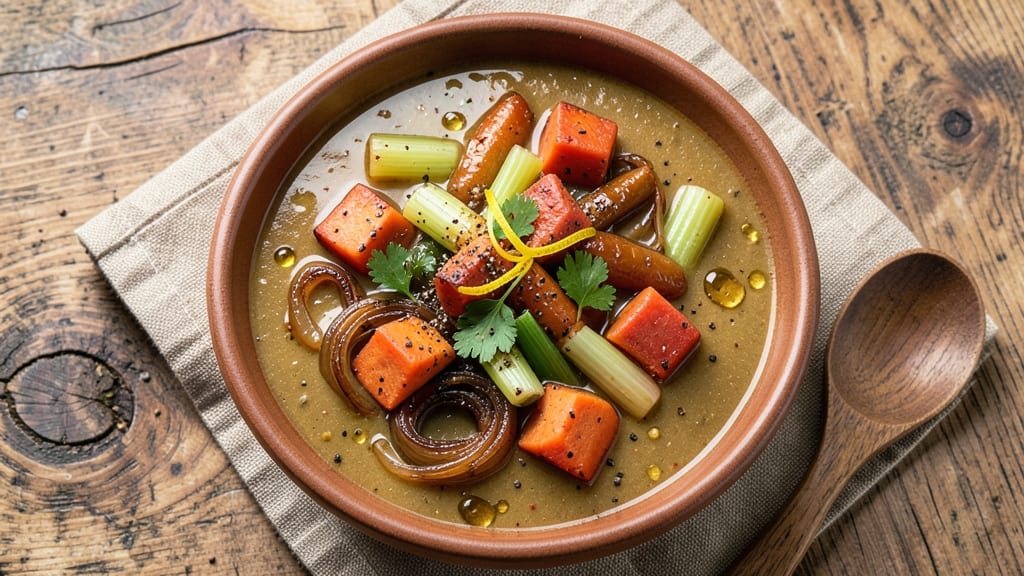
This roasted soup recipe transforms humble ingredients into a rich, caramelized masterpiece with just one pot and 400°F heat. The secret lies in roasting vegetables first—intensifying their natural sweetness before simmering them into a velvety broth.
After years of testing, this method delivers depth and complexity that no quick blend can match. It’s the kind of soup that feels like a hug on a chilly evening, with layers of flavor built from the ground up.
The process is straightforward but transformative: hardy vegetables roast until golden and tender, then simmer with aromatic herbs and broth until their flavors meld into something extraordinary. No blender required—just a sturdy pot and patience.
The result? A soup so rich and satisfying that even the most skeptical eaters will ask for seconds. This isn’t just another vegetable soup; it’s a one-pot showstopper that elevates simple ingredients into something restaurant-worthy.
What makes this recipe stand out is the caramelized depth—roasting concentrates the vegetables’ natural sugars, creating a sweet-savory base that forms the soul of the soup. The broth reduces to a perfect consistency, clinging to every spoonful, while herbs and spices add aromatic layers.
It’s the kind of meal that tastes even better the next day, making it ideal for meal prep or a cozy weekend project. The best part? Every bite carries the warmth of the oven and the comfort of a well-made meal.
Whether you’re serving a family dinner or prepping for the week, this roasted soup delivers restaurant-quality results with minimal effort. The technique is foolproof, the flavors are unforgettable, and the process is designed to build confidence in the kitchen. Ready to transform your soup game? Let’s get started.
Ingredients for best roasted soup
Caramelized vegetables, aromatic herbs, and a velvety broth—this roasted soup transforms simple ingredients into restaurant-quality depth.
| Ingredient | Amount | Notes |
|---|---|---|
| Yellow Onion 🧅 | 1 whole | Chopped into 1-inch pieces |
| Carrots 🥕 | 3 medium | Peeled and cut into chunks |
| Celery Stalks 🌿 | 3 whole | Chopped into 1-inch pieces |
| Sweet Potato 🍠 | 1 lb | Peeled and cubed into 1-inch |
| Garlic Cloves 🧄 | 4 cloves | Smashed with side of knife |
| Extra-Virgin Olive Oil 🫒 | ½ cup | High-quality, fruity variety |
| Vegetable Broth 💧 | 4 cups | Low-sodium preferred |
| Canned Crushed Tomatoes 🍅 | 1 14.5 oz can | San Marzano preferred |
| Fresh Thyme 🌿 | 2 sprigs | Leaves only, stems removed |
| Fresh Rosemary 🌿 | 1 sprig | Needles only, finely chopped |
| Bay Leaf 🌿 | 1 whole | Dried, standard size |
| Salt 🧂 | 1 ½ tsp | Diamond Crystal preferred |
| Black Pepper 🌶️ | ½ tsp | Freshly ground preferred |
| Honey 🍯 | 1 tbsp | For balancing acidity |
| Fresh Parsley 🌿 | ¼ cup | Chopped for garnish |
The vegetables are the heart of this soup—roasting them first concentrates their natural sweetness and builds caramelized depth. Look for firm sweet potatoes (no soft spots) and bright orange carrots at Trader Joe's or your local market. The celery should be crisp, not limp. For the broth, Pacific Foods or Imagine brands are my go-to for clean, flavorful vegetable stock. If using fresh herbs, grab them the same day you cook—Costco or Whole Foods have excellent selections. The olive oil matters too—avoid the cheap stuff—something like California Olive Ranch makes all the difference.
No sweet potatoes? Butternut squash or regular potatoes work beautifully—just adjust cooking time. Short on thyme? Dried thyme at one-third the amount gets you close, but fresh is ideal. The crushed tomatoes can be swapped for fire-roasted canned tomatoes for extra depth. Running low on honey? Maple syrup or agave balances the acidity just as well. The key is roasting the vegetables until they're golden and tender—this is where the magic happens. Don't skip this step, even if it means an extra 10 minutes in the oven. Trust me on this.
This soup tastes even better the next day as flavors meld. Store leftovers in an airtight container in the fridge for up to 5 days. For freezing, portion into ziplock bags and it keeps for 3 months. I always make a double batch—one for dinner, one for lunches. The flavors intensify when reheated gently, so never microwave it straight from the fridge. A quick simmer on the stovetop brings it back to life perfectly.
Why You'll Love This Recipe
- One-Pan Magic: I swear by this—just toss everything on a sheet pan (onion, carrots, celery, sweet potato, garlic) with oil and salt, roast until caramelized, then blend. No pots, no mess, no stress. The sweet potatoes add natural sweetness that balances the savory garlic, and honestly? That first bite after roasting is chef’s kiss.
- Caramelized Depth: Here’s what sold me—the roasting step turns those simple veggies into something richer. The onions melt into golden threads, the carrots get tender-crisp edges, and the garlic? Oh, it’s toasted to perfection. That deep, nutty flavor you only get from roasting makes this soup taste like it simmered for hours (but it didn’t).
- Leftovers That Shine: Between us, this soup only gets better the next day. The flavors meld, the sweet potatoes soften just enough, and it’s still hearty enough to pack for lunch. I make a big batch on Sundays, and by Wednesday, it’s the star of my workday. (Yes, even on a Tuesday night.)
- Budget-Friendly Staples: This recipe uses ingredients I already have in my pantry—onions, carrots, celery, sweet potatoes, garlic. No specialty items, no markup. Plus, sweet potatoes stretch further than regular potatoes, so you’re feeding more people for less. My college budget would’ve loved this back in the day.
Step-by-step instructions for roasted vegetable soup with caramelized depth
This method transforms humble vegetables into a rich, complex soup with layers of flavor—all in one pot.
🔥 Step 1: Roast Vegetables Until Deeply Caramelized
Preheat your oven to 425°F and line a large baking sheet with parchment paper. Arrange the chopped yellow onion, carrots, celery stalks, and cubed sweet potato in a single layer, tossing them with 0.25 cup of the extra-virgin olive oil. Spread them evenly so they roast rather than steam.
Roast for 30-35 minutes, stirring once halfway, until the edges are deep golden brown and the sweet potatoes begin to soften. The aromas should fill your kitchen—this is where the magic happens. If the vegetables aren't caramelized enough after 30 minutes, return them to the oven for another 5-10 minutes. The longer they roast, the more complex the flavors will be.
🍳 Step 2: Sauté Aromatics and Build the Base
While the vegetables roast, heat the remaining 0.25 cup extra-virgin olive oil in a large Dutch oven over medium heat. Add the smashed garlic cloves and cook for 30 seconds until fragrant but not browned—garlic burns in seconds, so keep an eye on it.
Add the finely chopped rosemary needles and thyme leaves, stirring for 10 seconds to release their essential oils. Pour in the canned crushed tomatoes and scrape up any browned bits from the bottom of the pot—this is called deglazing, and it captures all the flavor you've built so far. Let the tomatoes simmer for 2 minutes until slightly thickened.
🥘 Step 3: Simmer the Soup to Perfection
Transfer the roasted vegetables to the Dutch oven, along with any accumulated juices from the baking sheet. Add the 4 cups vegetable broth, 1 whole bay leaf, 1.5 teaspoons salt, and 0.5 teaspoon black pepper. Bring to a gentle boil, then reduce heat to low and let it simmer uncovered for 20-25 minutes, stirring occasionally.
You're looking for a soup that's velvety yet still has a bit of body—it should coat the back of a spoon but not be gluey. Taste and adjust seasoning; if it needs brightness, add the 1 tablespoon honey now. The bay leaf will infuse subtle earthy notes, so don't remove it until the very end. If the soup reduces too much, add a splash of water or broth to reach your desired consistency.
⏰ Step 4: Finish and Serve with Fresh Herbs
Remove the bay leaf and discard it. Stir in the 0.25 cup chopped fresh parsley just before serving—this adds a bright, fresh contrast to the deep, caramelized flavors. The parsley should be visible in each bowl, adding both color and a hint of freshness.
Ladle the soup into bowls and serve immediately. The contrast of the warm, caramelized vegetables against the cool broth creates an incredible texture experience. For extra richness, top each serving with a drizzle of the remaining extra-virgin olive oil and a sprinkle of freshly cracked black pepper. This soup tastes even better the next day as the flavors meld further, but it's so good fresh that you might not wait!
Pro Tips For Making Best Roasted Soup
- CHAR THE ONIONS FIRST: I learned this the hard way—when you toss everything in raw, the onions burn while the carrots stay pale. Sear the onions and celery in batches until they’re deep golden, about 8-10 minutes on medium-high. That caramelized flavor is the backbone of your soup, so don’t rush it.
- CUT SWEET POTATO SMALL: Big chunks stay tough and undercooked. Dice the sweet potato into ½-inch pieces—no bigger than a walnut—so they soften evenly in the roast. (Yes, even if it looks like a million pieces, trust me.)
- SALT THE VEGETABLES BEFORE ROASTING: After burning three batches, I finally figured out that salting the chopped veggies (onion, carrot, celery, sweet potato) with 1 tsp salt before roasting makes a real difference. It keeps them from drying out and gives the soup depth right from the start.
- ROAST IN TWO BATCHES: Crowding the pan steams the veggies instead of browning them. Roast half the mix first, then stir and push it to one side before adding the second batch. This guarantees even color and crispy edges—no sad, soggy vegetables.
Serving suggestions for best roasted soup
Bread Pairings
Crusty sourdough bread is my go-to pairing—its tangy crunch contrasts beautifully with the soup’s velvety texture. I recommend a freshly baked loaf from Breads Bakery or your local artisan bakery. For a lighter option, toasted baguette slices work perfectly, especially with a smear of garlic-herb butter for extra richness. 🥖
Cheese Toppings
Add a sprinkle of aged Parmesan cheese (about 1 tbsp per bowl) for a salty, umami boost. For a creamy twist, try shaved pecorino Romano or a dollop of ricotta cheese mixed with a pinch of black pepper.
I love how the sharpness of pecorino cuts through the soup’s sweetness. 🧀
Protein Additions
Boost heartiness with crispy roasted chickpeas (toss 1 cup cooked chickpeas with 1 tbsp olive oil and ½ tsp smoked paprika, then roast at 400°F for 20 minutes). For meat lovers, add crumbled feta or a poached egg on top—runny yolk ties everything together. 🍳
Garnish Ideas
Fresh cilantro or basil leaves add a bright pop of color and freshness. I also love a drizzle of chili oil (mix 2 tbsp olive oil with ½ tsp red pepper flakes) for a subtle kick. A sprinkle of toasted pumpkin seeds adds crunch and visual appeal. ✨
Dipping Suggestions
Serve with a side of whipped feta dip (blend ½ cup feta with 2 tbsp Greek yogurt and 1 tbsp lemon juice) or olive tapenade for dipping bread. These add another layer of flavor that complements the soup’s depth. 🫒
Nutrition facts
Frequently asked questions
Why does roasting vegetables first make such a difference in soup flavor?
Roasting caramelizes the natural sugars in vegetables, creating deep, sweet-savory notes that simmering alone can't match. The high heat (425°F) transforms starchy vegetables like sweet potatoes into tender, golden pieces with concentrated flavor. This technique builds layers of complexity that turn ordinary soup into something extraordinary.
Can I make this soup in a slow cooker instead of stovetop?
Roast the vegetables as directed, then transfer everything to a slow cooker. Add broth and seasonings, then cook on low for 6-8 hours or high for 3-4 hours. The slow cooking enhances the caramelized flavors even more. Just stir occasionally and adjust seasoning at the end.
What if my vegetables burn during roasting?
Spread them in a single layer on the baking sheet and stir halfway through to prevent burning. If they brown too quickly, reduce oven temp to 400°F for the second half of roasting. The goal is golden edges, not charred bits. For extra insurance, use parchment paper to prevent sticking.
How can I make this soup vegetarian or vegan?
This recipe is already vegetarian! For vegan, use vegetable broth and ensure your olive oil is certified vegan. Skip honey (use maple syrup instead) and check your canned tomatoes for animal products. The roasted vegetables provide all the hearty, satisfying texture needed for a plant-based meal.
Can I prep this soup ahead of time?
Yes! Roast the vegetables up to 3 days ahead and store them in an airtight container in the fridge. When ready to cook, simply sauté aromatics, add broth and prepped veggies, then simmer. The flavors actually improve overnight as they meld together. For freezing, portion the finished soup and freeze for up to 3 months.