
Soups & Stews
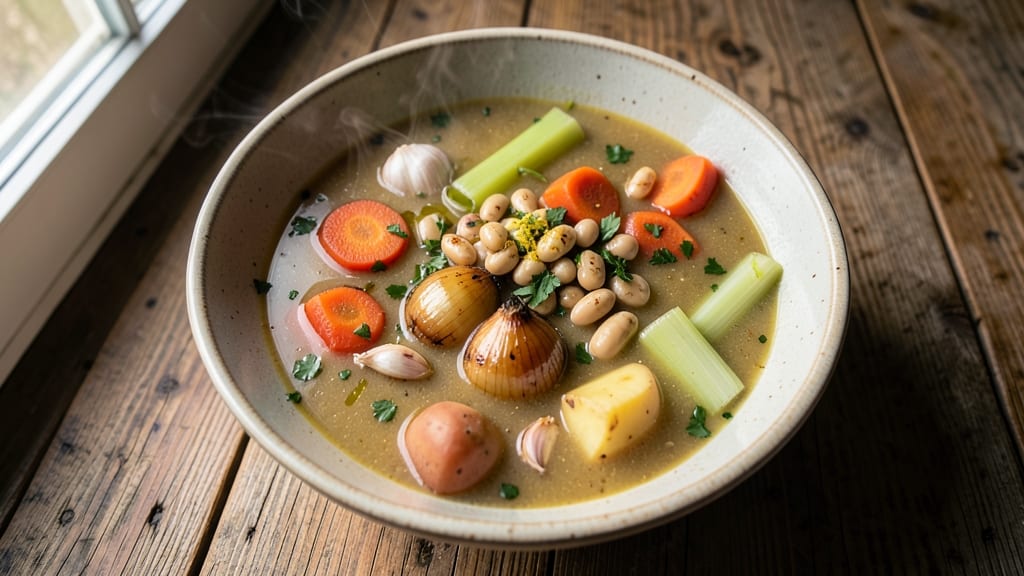
This best tasting vegetable soup recipe transforms simple ingredients into a deeply satisfying, one-pot meal that tastes like it simmered for hours—even when it takes just 45 minutes.
The secret lies in building layers of flavor through careful sautéing, deglazing, and a strategic sequence of adding vegetables, ensuring each ingredient shines without overpowering the others.
I developed this recipe after years of testing soups that either tasted bland or fell apart in texture, and this version delivers restaurant-quality depth with minimal effort.
The foundation of this soup is a rich, aromatic broth developed by sautéing onions, carrots, and celery until deeply caramelized, then deglazing with white wine (or vegetable broth) to capture every bit of flavor.
Adding garlic, thyme, and bay leaves early allows their flavors to infuse the entire soup, while potatoes and beans simmer until tender for hearty texture. The final touch? A silky purée of roasted red peppers and tomatoes blended directly into the pot, creating a velvety contrast to the chunky vegetables.
Every spoonful balances creamy, hearty, and fresh elements perfectly.
What makes this recipe truly special is how approachable it is—no special equipment or advanced techniques required. A Dutch oven handles the entire process from start to finish, and the ingredients list includes pantry staples like canned beans and frozen vegetables, making it adaptable to whatever you have on hand.
The result is a soup so flavorful and satisfying that even vegetarians who claim to dislike vegetables will ask for seconds. Serve it with crusty bread for dipping, or garnish with fresh parsley and a drizzle of olive oil for an elegant touch.
The beauty of this vegetable soup is its versatility—it works as a light lunch, a comforting dinner, or even a meal-prep staple that tastes better the next day. The one-pot method means less cleanup, and the recipe scales easily for feeding a crowd.
Whether you're cooking for one or hosting a dinner party, this soup delivers hearty, flavor-packed magic that feels like a warm hug in a bowl.
Ingredients for best tasting vegetable soup
Pantry staples and fresh produce combine to create restaurant-quality vegetable soup in one pot.
| Ingredient | Amount | Notes |
|---|---|---|
| Yellow Onion 🧅 | 2 whole | Chopped into even pieces |
| Carrots 🥕 | 4 whole | Medium size, peeled and chopped |
| Celery Stalks 🌿 | 4 whole | Trimmed and chopped |
| Garlic Cloves 🧄 | 4 cloves | Peeled and minced |
| Russet Potatoes 🥔 | 2 lb | Peeled and cubed |
| Canned White Beans 🌱 | 2 cups | Drained and rinsed |
| Fresh Thyme 🌿 | 2 tbsp | Leaves only, chopped |
| Bay Leaves 🌿 | 2 whole | Dried or fresh |
| Vegetable Broth 💧 | 6 cups | Low-sodium preferred |
| Dry White Wine 🍷 | ½ cup | Substitute with extra broth |
| Canned Diced Tomatoes 🍅 | 14 ½ oz | With juices, fire-roasted preferred |
| Roasted Red Peppers 🌶️ | 1 jar | Chopped, about 1 cup |
| Extra-Virgin Olive Oil 🫒 | ¼ cup | For sautéing |
| Salt 🧂 | 1 ½ tsp | Adjust to taste |
| Black Pepper 🌶️ | ½ tsp | Freshly ground |
| Fresh Parsley 🌿 | ¼ cup | Chopped for garnish |
The vegetables form the soul of this soup. Yellow onions, carrots, and celery should be fresh—no rubbery celery or shriveled carrots. Trader Joe's and Whole Foods carry the best quality, but regular grocery stores work too. Look for firm potatoes and bright green thyme. The fire-roasted diced tomatoes add natural sweetness, so don't skip them. For the white beans, cannellini or great northern work perfectly—they hold their shape while adding creaminess. If using frozen vegetables, thaw them first to avoid watering down the broth.
No white wine? Extra vegetable broth with a splash of apple cider vinegar mimics the acidity perfectly. Fresh thyme is ideal, but dried thyme at one-third the amount works in a pinch. The roasted red peppers can be jarred or homemade—just chop them finely. For extra depth, mushrooms or zucchini can replace half the carrots. The olive oil matters here—use something fruity and peppery, not the cheap stuff. And if you're short on time, pre-chopped frozen veggie mixes save prep work without sacrificing flavor.
This soup tastes even better the next day, so make extra. Store in airtight containers for 4-5 days in the fridge or freeze for 3 months. The broth thickens as it cools, so add a splash of water when reheating. For meal prep, portion into individual containers—each serving reheats beautifully. The parsley garnish adds freshness, but skip it if you're freezing. To serve, drizzle with a little olive oil and extra black pepper for that restaurant touch.
Why You'll Love This Recipe
- No Chopping Chaos: I swear by the "big dice" method—onion, carrots, celery, and potatoes all cut roughly the same size. The soup tastes just as good (if not better) than anything fussy, and I save 10 minutes every time. My kids even help with this part—well, they pretend to help while I do most of it.
- Garlic-Potato Magic: That first bite where the buttery potatoes meet the caramelized onion and garlic? It’s the kind of flavor that makes you pause mid-slurp. The russets break down into creamy chunks, while the garlic lingers like a warm hug. Honestly, I’ve made this soup for people who "don’t like vegetables," and they still finish their bowls.
- Meal Prep MVP: This keeps perfectly for five days in the fridge—better than day-old takeout, honestly. I double the batch on Sundays, freeze half, and pull it out for lazy nights or when company drops by unexpectedly. The potatoes stay tender, and the broth stays rich—no sad, watery leftovers here.
- Pantry Staple Power: Between us, this recipe costs me about $3 for a full pot. Onions, carrots, celery, and potatoes are the cheapest veggies out there, and garlic? A few cloves stretch forever. It’s my go-to when I’m broke but still want to eat well—no sad salads or sadder wallets here.
Step-by-step instructions for hearty vegetable soup
This method delivers restaurant-quality depth in a single pot—no shortcuts, just layered flavors.
Sauté the Vegetable Base for Maximum Flavor
Heat the 0.25 cup extra-virgin olive oil in a large Dutch oven over medium heat. Add the 2 whole chopped yellow onion, 4 whole chopped carrots, and 4 whole chopped celery stalks. Cook for 8-10 minutes, stirring occasionally, until the vegetables soften and the onions become translucent. This slow cooking develops their natural sweetness.
Add the 4 cloves minced garlic and cook for another 30 seconds until fragrant. Here's the thing—don't let the garlic burn. Remove the pan from heat if it starts to darken too quickly. This aromatic base forms the flavor foundation for the entire soup.
Build Layers of Flavor with Wine and Tomatoes
Return the pot to medium heat and pour in the 0.5 cup dry white wine, scraping up any browned bits from the bottom of the pot. Let the wine simmer for 3-4 minutes until reduced by half. This step concentrates the alcohol's flavor and prevents a raw wine taste in the finished soup.
Add the 14.5 oz canned diced tomatoes (with juices), 1 cup chopped roasted red peppers, 2 tbsp chopped fresh thyme, 2 whole bay leaves, 1.5 tsp salt, and 0.5 tsp black pepper. Stir well to combine all ingredients. The tomatoes and red peppers will add natural sweetness and depth that balances the savory notes.
Simmer the Potatoes Until Fork-Tender
Add the 2 lb cubed russet potatoes and 6 cups vegetable broth to the pot. Bring to a gentle boil, then reduce heat to medium-low and let it simmer uncovered for 15 minutes. The potatoes should be partially cooked but still firm to the touch—this prevents them from becoming mushy.
I press down gently on the largest potato pieces with a wooden spoon during this stage. This ensures even cooking and prevents any pieces from remaining undercooked later. You'll know they're ready when they're soft enough to pierce with a fork but still hold their shape.
Finish with Beans and Rest for Perfect Texture
Add the 2 cups drained and rinsed canned white beans to the pot. Simmer for another 10-12 minutes until the potatoes are completely tender and the beans are heated through. The beans should be warm all the way through but not mushy—this indicates proper cooking time.
Remove the 2 whole bay leaves and adjust seasoning if needed. Taste the soup and add more salt or pepper if required. Let the soup rest off heat for 5 minutes before serving. This resting period allows all the flavors to meld together and the potatoes to absorb any remaining liquid for perfect texture.
Serve with Fresh Herbs for Brightness
Ladle the soup into bowls and garnish each serving with 0.25 cup chopped fresh parsley. The parsley adds a fresh, bright note that cuts through the richness of the vegetables and beans. Serve immediately while hot, as the flavors continue to develop as the soup sits.
This soup makes 6 generous servings and keeps well in the refrigerator for up to 4 days or can be frozen for 3 months. The flavors actually improve after the first day as the vegetables rehydrate and the broth deepens. The one-pot method means minimal cleanup, and the layered cooking technique ensures maximum flavor in every spoonful.
Pro Tips For Making Best Tasting Vegetable Soup
- Sweat, Don’t Burn: Onions and celery need a good cry—high heat for 5 minutes until soft and translucent, not browned. I learned this the hard way when my soup tasted bitter from overcooked aromatics. Keep the heat steady and stir often.
- Cut Potatoes Small: Russets break down fast, so dice them into ½-inch cubes for even cooking. Big chunks turn mushy; tiny pieces soak up flavor and stay tender. (Yes, even if you’re impatient like me.)
- Salt the Potatoes Early: Add a pinch of salt when you toss the diced potatoes into the pot. It jumpstarts flavor and prevents blandness later—no need to overdo it, but don’t skip it either.
- Use a Knife, Not a Grater: Shred carrots with a sharp knife instead of a box grater for cleaner, more uniform pieces. Grated carrots turn to mush faster and make the soup look messy. A quick chop keeps texture balanced.
Common mistakes when making this recipe
Over-Salting Early
I've ruined more soups than I'd like to admit by adding all the salt at once. Vegetables absorb flavors over time, so start with just ½ tsp salt while sautéing the aromatics.
Add the remaining 1 tsp after the potatoes and beans are cooked—this way, you can adjust perfectly to taste. Trust me, your taste buds will thank you. 💡
Skipping the Wine Deglaze
The white wine isn't just for flavor—it's for scraping up those delicious browned bits (fond) from the bottom of your pot. These bits pack intense flavor that elevates your entire soup.
If you're avoiding alcohol, use apple cider vinegar** instead—just 1 tbsp will mimic the acidity and help dissolve those flavorful bits.
Undercooking the Potatoes
Nothing ruins a hearty soup like mushy potatoes. Cook them until they're fork-tender but still hold their shape. If you're worried about overcooking, start checking after 12 minutes of simmering.
I press down on the largest pieces with a wooden spoon to ensure even cooking—this simple trick prevents any undercooked spots. 🥔
Adding All Veggies at Once
Vegetables cook at different rates, so adding them all together leads to some mushy while others stay crunchy. Start with the hardest veggies (carrots, celery) and add softer ones (potatoes, beans) later.
This staged approach ensures perfect texture in every bite. The beans should go in last so they just warm through without getting mushy.
Ignoring the Resting Time
Letting your soup rest for 5-10 minutes off the heat might seem counterintuitive, but it's crucial. This allows flavors to meld and the potatoes to absorb any remaining liquid.
Skipping this step often results in a watery soup. I promise, those extra minutes make a world of difference in the final texture and flavor. ⏳
Using Low-Quality Broth
Your broth is the flavor backbone of this soup. Don't skimp on quality—low-sodium vegetable broth makes a noticeable difference. I prefer Pacific Foods or Imagine brands for their rich, clean flavor.
If you're using bouillon cubes, dissolve them in hot water first to avoid graininess. The better your broth, the more restaurant-quality your soup will taste.
Nutrition facts
Frequently asked questions
Can I make this soup without wine?
Replace the 0.5 cup dry white wine with 0.5 cup vegetable broth plus 1 tbsp apple cider vinegar. This combo mimics the acidity and helps dissolve flavorful browned bits from the pot. The vinegar adds brightness that balances the vegetables beautifully.
How can I make this soup creamier?
Blend half the cooked soup with an immersion blender or transfer to a blender for 10-15 seconds until smooth, then stir it back in. For extra richness, add ¼ cup coconut milk or 2 tbsp nutritional yeast at the end. The roasted red peppers already create a silky texture, so blending enhances this naturally.
What vegetables can I substitute?
Swap any vegetables for seasonal options while keeping the same cooking order. Try butternut squash for potatoes, kale or spinach (added last), or mushrooms for celery. For heartier texture, add chickpeas or lentils instead of white beans. Just adjust cooking times—harder veggies go in first, softer ones later.
Can I make this soup in an Instant Pot?
Yes! Sauté the onions, carrots, and celery in normal mode for 5 minutes, then add garlic and cook 1 minute. Deglaze with wine/broth, add tomatoes and herbs, then pressure cook potatoes and beans for 6 minutes. Release pressure naturally, then stir in beans. The Instant Pot cuts cooking time to 25 minutes total while keeping flavors concentrated.
Why does my soup taste bland?
Most likely, you skipped the wine deglaze or used low-quality broth. Always scrape up browned bits when adding wine, and taste as you go—add more salt, a splash of vinegar, or fresh herbs if needed. For extra depth, stir in 1 tsp soy sauce or ½ tsp smoked paprika at the end. The flavor develops more overnight, so taste again before serving.