
Soups & Stews
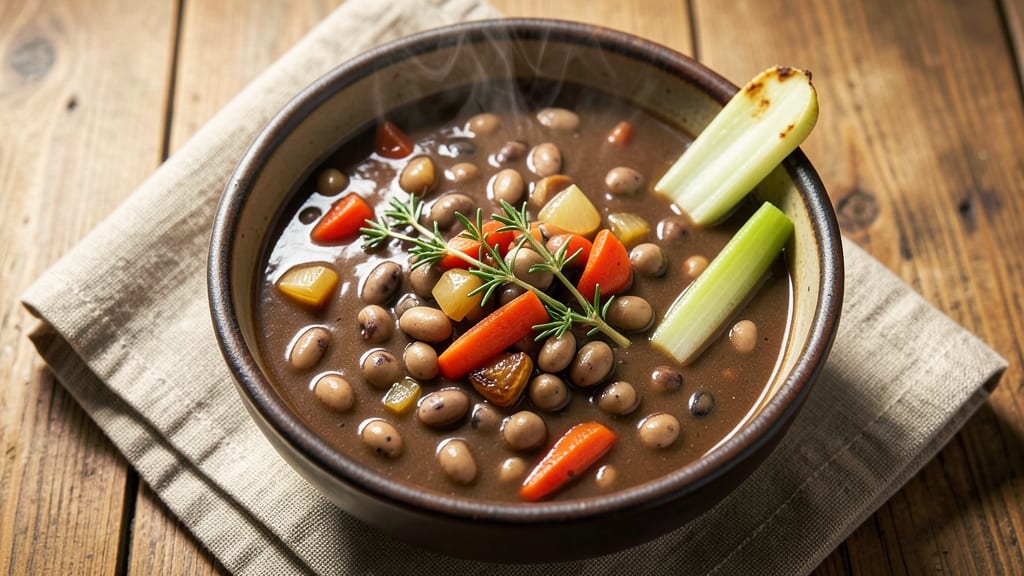
Betty Crocker’s navy bean soup delivers the kind of herb-infused heartiness that warms a room—and a hungry crowd—with just one pot. This classic recipe transforms humble navy beans into a rich, savory stew that simmers to perfection, balancing earthy flavors with bright herbs and aromatic vegetables.
The slow-cooked approach ensures tender beans and deeply developed taste, making it a foolproof dish for weeknight dinners or holiday gatherings. What sets this recipe apart is the layered seasoning—garlic, thyme, and bay leaf build complexity as the soup simmers, while carrots and celery add natural sweetness and texture.
The optional addition of a splash of vinegar at the end brightens the flavors, giving it that restaurant-quality finish without extra effort. Whether you’re using a stovetop, slow cooker, or pressure cooker, the technique remains the same: patience and low heat unlock the soup’s full potential.
By the time you serve it, you’ll have a creamy, velvety soup with tender beans and vibrant herbs floating on top. The aroma alone will have everyone gathering at the table, and the first spoonful delivers that comforting, homey taste that’s hard to resist.
It’s the kind of dish that tastes even better the next day, making it perfect for meal prep or leftovers. Serve with crusty bread to soak up every last drop, or pair it with a simple green salad for a balanced meal.
This recipe is versatile, nourishing, and impossible to mess up—just like Betty Crocker intended. Let’s get cooking!
Ingredients for betty crocker navy bean soup
Herb-infused navy beans and aromatic vegetables create this classic vegetarian soup's hearty foundation.
| Ingredient | Amount | Notes |
|---|---|---|
| Navy Beans (Dried) 🌱 | 1 ½ cups | Unsoaked, rinsed thoroughly |
| Yellow Onion 🧅 | 1 whole | Medium size, diced finely |
| Carrots 🥕 | 3 medium | Peeled, cut into small cubes |
| Celery Stalks 🧄 | 3 whole | Trimmed, cut into small pieces |
| Garlic Cloves 🧄 | 4 cloves | Fresh, minced finely |
| Fresh Thyme 🌿 | 1 tbsp | Leaves only, chopped finely |
| Bay Leaves 🌿 | 2 whole | Dried, standard size |
| Vegetable Broth 💧 | 6 cups | Low-sodium preferred |
| White Wine Vinegar 🍋 | 1 tbsp | For brightening flavors |
| Olive Oil 🫒 | 2 tbsp | Extra-virgin for richness |
| Salt 🧂 | 1 ½ tsp | Diamond Crystal preferred |
| Black Pepper 🌶️ | ½ tsp | Freshly ground |
| Parsley Leaves 🌿 | ¼ cup | Fresh, chopped for garnish |
The navy beans are the soul of this soup—dried beans develop a richer flavor than canned, but if short on time, no-salt-added canned beans work in a pinch. For the best quality, bulk bins at Whole Foods or Trader Joe's offer fresh, organic options. The carrots and celery should be firm and vibrant, not rubbery or discolored. Fresh thyme and bay leaves elevate the dish; Penzeys Spices carries premium dried herbs if you prefer convenience. Garlic should be plump and firm, not sprouting or soft—Costco's bulk garlic is a cost-effective choice for frequent cooks.
No fresh thyme? Dried thyme at one-third the amount delivers similar depth. Substitute celery seed for bay leaves if needed, though the flavor will differ slightly. Vegetable broth is non-negotiable—avoid chicken or beef versions to maintain vegetarian integrity. For a richer texture, blend half the soup before serving, or stir in 1/4 cup coconut milk at the end. The white wine vinegar adds brightness without overpowering; substitute lemon juice if unavailable. Diamond Crystal kosher salt dissolves more easily than table salt, enhancing flavor development during simmering.
This soup improves with time—reheat gently, adding a splash of water or broth if needed. Store in an airtight container for up to 5 days in the fridge or 6 months frozen. For meal prep, portion into individual containers before freezing. The parsley garnish is optional but adds freshness; freeze dried parsley in ice cube trays for quick access. Slow cookers are ideal for hands-off cooking—simmer on low for 6-8 hours for maximum tenderness.
Why You'll Love This Recipe
- I’ll be real: this recipe costs me about $1.50 per serving and feeds four for under $6. The navy beans and veggies stretch forever, and you’re not sacrificing taste for budget. Plus, the leftovers? They’re my secret weapon for busy mornings—just heat and eat.
- No-Soaking Required: Honestly, I love that this soup only needs a quick rinse before simmering—no overnight soaking or fancy prep. Just toss those dried navy beans in a pot with the onions, carrots, and celery, cover with broth, and let them work their magic. By the time you’ve chopped the garlic, the beans are already tenderizing.
- Garlic-Caramelized Depth: That crispy, golden edge on the onions and garlic? It’s the secret weapon here. The Betty Crocker recipe calls for slow cooking the aromatics until they’re practically jammy, which builds a flavor so rich it turns a simple bean soup into something deeply satisfying. (Yes, even on a Tuesday night.)
- Weeknight to Potluck Hero: Between us, this soup is my go-to for everything: a lazy dinner, a meal-prep staple, or that last-minute dish to bring to a holiday gathering. The flavors only get better the next day, and it reheats like a dream—no mushy textures, just pure comfort.
Step-by-step instructions for herb-infused navy bean soup
Create a rich, aromatic navy bean soup with deep herbal notes and perfect texture in a single pot.
Prepare and Sauté the Aromatic Vegetables
Heat the 2 tablespoons olive oil in a large Dutch oven over medium heat. Add the finely diced whole yellow onion, cubed carrots, and chopped celery stalks. Cook for 8-10 minutes, stirring occasionally, until the vegetables soften and begin to release their natural juices. You should see the onion turn translucent and the carrots develop a slight golden hue.
Add the minced garlic cloves and chopped fresh thyme to the pot, stirring quickly to prevent the garlic from burning. Cook for an additional 1-2 minutes until the garlic becomes fragrant and just begins to turn golden. This step forms the flavor base for your soup, so don't rush it—properly developed aromatics make all the difference in the final dish.
Add Beans and Broth for Simmering
Stir in the 1.5 cups unsoaked navy beans, making sure they're well-coated with the aromatic vegetables. Add the 6 cups vegetable broth, 2 whole bay leaves, 1 tablespoon white wine vinegar, 1.5 teaspoons salt, and 0.5 teaspoon black pepper. Bring the mixture to a gentle boil over high heat, then immediately reduce the heat to low to maintain a steady simmer.
Cover the pot with a tight-fitting lid and let the soup simmer for 45-50 minutes. The navy beans should soften significantly but still retain some bite. Stir occasionally to prevent the beans from sticking to the bottom of the pot. This low-and-slow cooking method ensures the beans absorb all the rich flavors from the broth and vegetables.
Check for Doneness and Adjust Seasoning
After 45 minutes, taste one of the navy beans. It should be tender but still hold its shape with a slight resistance when bitten into. If the beans need more time, continue simmering for another 5-10 minutes, checking periodically. The soup should have a thick, stew-like consistency at this point, with the vegetables breaking down slightly.
Remove the 2 whole bay leaves and adjust the seasoning if needed. The soup should be well-seasoned with a balance of saltiness from the beans and broth, acidity from the white wine vinegar, and herbal notes from the thyme. If it tastes flat, add a pinch more salt or another splash of vinegar. This is where you fine-tune the flavors to create a harmonious soup.
Finish and Garnish
Once the beans are perfectly tender, stir in the 0.25 cup chopped parsley leaves just before serving. The parsley adds a fresh, bright contrast to the hearty soup and enhances its visual appeal. Ladle the soup into bowls, ensuring each serving gets a generous portion of the beans and vegetables.
Serve the soup immediately while hot, garnished with additional parsley if desired. The navy beans should be creamy yet firm, and the broth should coat the back of a spoon with a velvety texture. Each spoonful should deliver a perfect balance of earthy bean flavor, aromatic vegetables, and herbal brightness—making this a truly satisfying dish.
Pro Tips For Making Betty Crocker Navy Bean Soup
- SOAK BEANS OVERNIGHT: I learned this the hard way—skipping the soak leaves your beans tough as boot leather. Toss them in cold water with a pinch of salt (yes, even for dried beans) and let them sit 8+ hours. The texture difference is night and day, especially in a long-simmered soup where you want every bite to melt.
- CHOP VEGETABLES UNIFORM: Don’t eyeball it—aim for ¼-inch dice for onions, carrots, and celery. Larger pieces stay crunchy; smaller ones dissolve into mush. If you’re impatient, pulse them in a food processor (just don’t overdo it—you want chunks, not paste). Consistency = even cooking = no surprises.
- SKIP THE BOILING START: The recipe might say to boil the broth first, but I’ve found starting at a hard simmer (just until tiny bubbles form) saves time and prevents scorching. Once the beans and veggies hit the pot, bring it back to a steady simmer—not a rolling boil. Less splatter, more control.
- SAVOR WITH BAY LEAF: Tuck in 2–3 fresh bay leaves when you add the broth. They infuse the soup with deep, herbal notes without overpowering. Remove them before serving—no one wants a leafy surprise. (And yes, dried works, but fresh is the real game-changer here.)
Troubleshooting this dish
Mushy Beans Fix
If your navy beans turn out mushy, it’s likely overcooked. The secret is simmering at a gentle boil—never a rolling boil—which preserves texture. For future batches, check doneness at 45 minutes and taste a bean: it should be tender but still hold its shape.
If using dried beans, soaking overnight (optional) can reduce cooking time by 30 minutes, but unsoaked works fine too. 🌱
Broth Too Thin?
A thin soup usually means the beans didn’t absorb enough liquid. Next time, reduce the broth by 1 cup (use 5 cups instead of 6) and let it simmer 5-10 minutes uncovered at the end to thicken naturally.
For an instant fix, blend half the soup and stir it back in—this creates a creamy, velvety texture without extra ingredients. A splash of cornstarch slurry (1 tbsp cornstarch + 2 tbsp cold water) thickens quickly, but use sparingly.
Flat or Bland Flavor
Flavor fades when herbs aren’t fresh or seasoning is rushed. Toast the bay leaves in a dry pan for 30 seconds before adding to deepen their aroma. For extra brightness, add 1 tsp smoked paprika or ½ tsp red pepper flakes with the vinegar.
If the soup tastes bland, simmer uncovered for 5 minutes to evaporate excess water, then adjust with salt, pepper, or a squeeze of lemon juice. Fresh herbs like parsley or cilantro at the end add a bright, herbaceous punch.
Burnt Onions or Garlic
Burnt aromatics ruin the soup’s foundation. Lower the heat to medium-low when adding garlic and thyme, and stir constantly for just 1-2 minutes. If you notice browned bits, immediately remove the pot from heat and scrape out the burnt pieces with a spoon.
For next time, sauté onions and carrots until soft (not golden) before adding celery—this prevents overcooking. A large, heavy pot (like a Dutch oven) distributes heat evenly and reduces burning risks. 🔥
Too Salty?
Over-salting happens when broth or beans have hidden sodium. If your soup tastes too salty, dilute with ½ cup extra broth or water and simmer for 5 minutes to balance flavors.
For a natural fix, stir in 1 mashed potato (cooked and drained) or ½ cup unsalted tomato paste—both dilute salt while adding body. Avoid adding ice or milk, as they can break the soup’s emulsion and make it greasy.
Slow Cooker Adjustments
Slow cookers are great for hands-off cooking, but navy beans need extra time to tenderize. Cook on low for 8-10 hours (not high) to avoid mushiness. If using canned beans, reduce time to 4-5 hours.
For extra richness, add 1 cup crushed tomatoes or ½ cup coconut milk during the last hour. Always check doneness early—slow cookers vary in heat output. 💫
Nutrition facts
Frequently asked questions
Can I use canned navy beans instead of dried?
For convenience, use 2 (15-ounce) cans of no-salt-added navy beans, drained and rinsed. Simmer them with the broth for just 15-20 minutes after adding to the pot—they’ll absorb flavors quickly. Adjust seasoning carefully since canned beans often contain sodium.
How do I make this soup creamier without dairy?
Blend half the soup for 30 seconds until smooth, then stir it back in for a velvety texture. For extra richness, add ¼ cup coconut milk or 2 tablespoons olive oil at the end. The navy beans naturally release starch as they cook, creating a naturally thick, creamy base.
Can I prep this soup ahead of time?
Yes! This soup tastes even better the next day. Store in an airtight container in the fridge for up to 5 days or freeze for 3 months. Reheat gently on the stove with a splash of broth or water. For meal prep, portion into individual containers before freezing to maintain texture.
What if I don't have white wine vinegar?
No problem! Substitute with lemon juice or apple cider vinegar in the same amount. The acidity brightens flavors—just use 1 tablespoon total. Avoid skipping it, as the vinegar helps balance the earthy bean flavors and prevents the soup from tasting flat.
Is this soup kid-friendly?
With minor adjustments, yes! Skip the vinegar and add a pinch of sugar to balance flavors. For texture-sensitive kids, blend the soup until smooth. Serve with crusty bread or crackers for dipping. The herbs can be reduced—just use ½ teaspoon dried thyme instead of fresh.