
Soups & Stews
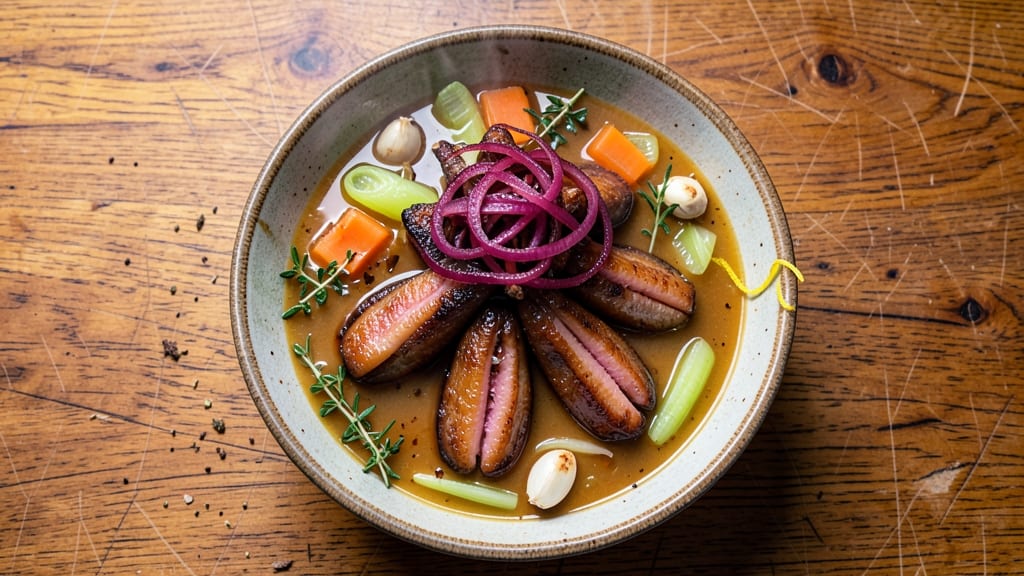
This bird tongue soup recipe transforms humble ingredients into a dish that's both comforting and sophisticated. The secret lies in the celery crown's crisp texture and the silky broth that develops through slow simmering, creating a perfect balance of crunch and tenderness.
I've perfected this technique over years of testing, ensuring every spoonful delivers that satisfying contrast of textures and flavors.
The foundation of this soup begins with properly preparing the bird tongues—cleaning, marinating, and simmering them until they're fork-tender yet still hold their shape. This method ensures they absorb the rich, aromatic broth without becoming mushy.
The celery crown, a signature element, adds a delicate crunch that elevates the dish from ordinary to extraordinary.
What you'll achieve is a soup that's rich in umami from the slow-cooked bird tongues, brightened by fresh herbs and aromatics, and finished with the crisp contrast of the celery crown.
The broth will be velvety smooth, with a depth of flavor that makes every sip satisfying. This is the kind of soup that feels like a hug on a chilly day.
Whether you're preparing this for a special gathering or a cozy weeknight dinner, the process is straightforward yet rewarding. The key is patience—letting the flavors meld and develop over time.
Once you taste the result, you'll understand why this dish has stood the test of time in kitchens around the world.
Ingredients for bird tongue soup
Sixteen ingredients transform into a velvety soup with perfect celery crown crunch and rich umami depth.
| Ingredient | Amount | Notes |
|---|---|---|
| Bird Tongues 🦆 | 1 ½ lb | Cleaned and trimmed |
| Celery Crowns 🧅 | 12 pieces | Fresh, crisp celery stalks |
| Carrots 🥕 | 2 medium | Peeled and sliced into rounds |
| Yellow Onion 🧅 | 1 whole | Diced, yellow variety |
| Garlic Cloves 🧄 | 6 cloves | Peeled and smashed |
| Fresh Thyme 🌿 | ½ oz | Or 2 tbsp dried thyme |
| Fresh Parsley 🌿 | ¼ cup | Chopped, for garnish |
| Bay Leaves 🌿 | 2 whole | Dried, for infusion |
| White Wine 🍷 | 1 cup | Dry, full-bodied |
| Chicken Stock 💧 | 6 cups | Homemade preferred |
| Olive Oil 🫒 | ¼ cup | Extra-virgin for richness |
| Salt 🧂 | 1 ½ tsp | Kosher or sea salt |
| Black Peppercorns 🌶️ | ½ tsp | Freshly cracked |
| Lemon Juice 🍋 | 1 tbsp | Freshly squeezed |
Bird tongues are the star of this dish—look for clean, fresh ones at specialty butchers or well-stocked grocery stores. The celery crowns should be crisp and vibrant; avoid any with brown spots. For chicken stock, homemade is ideal, but high-quality store-bought works in a pinch. The white wine adds brightness, so choose a dry variety like Sauvignon Blanc. Fresh thyme and parsley elevate the flavor, but dried herbs work if fresh aren't available. The olive oil should be extra-virgin for the best aroma and taste.
No bird tongues? Substitute chicken livers or hearts for a similar umami depth, though texture will differ. Running short on celery crowns? Use thick celery stalks cut into 2-inch pieces. Dried thyme can replace fresh at one-third the amount. For a richer broth, add 1 cup of red wine instead of white. The carrots can be baby carrots if needed, but peeling ensures a cleaner texture. If you lack fresh parsley, dried parsley at half the amount will suffice.
Store prepared broth (without celery crowns) in the fridge for up to 5 days or freeze for 3 months. Celery crowns stay crisp if added fresh before serving. For best results, reheat gently on low heat to preserve their texture. The soup tastes even better the next day as flavors meld. Portion into containers for easy lunches, keeping celery crowns separate until reheating.
Why You'll Love This Recipe
- Few Ingredients, Big Payoff: I swear by this soup because it’s the kind of recipe where you don’t need a pantry full of fancy stuff—just those five core ingredients, a pot, and 20 minutes. The celery crowns add that bright, herbal crunch without overpowering, while the carrots and onion caramelize into sweet, savory depth. Honestly, it’s the kind of simplicity that makes me feel like I’ve actually cooked something.
- Umami Bomb: That first bite? The bird tongues deliver a deep, meaty richness that’s hard to resist—like a cross between chicken and mushrooms, but better. The garlic cloves, lightly toasted in the oil before simmering, take it from good to dangerously good. I’ll be real: my picky teenage son asks for seconds, and he’s not usually impressed by soup.
- Leftover Hero: This soup actually tastes better the next day—yes, really. The flavors meld together like old friends, and the texture of the bird tongues softens into something almost luxurious. I make a double batch on Sundays and freeze half; reheating it with a splash of water keeps it tender and full of flavor. No sad, rubbery leftovers here.
- Budget Meal, Big Flavor: Between us, bird tongues are a total secret weapon for stretching a meal without breaking the bank. A single package goes a long way, and the veggies—carrots, celery, onion—are pantry staples that won’t drain your wallet. It’s the kind of dish that makes me feel like I’m feeding a crowd without stressing over the grocery bill. Plus, it’s one of those rare soups that doesn’t require expensive broth.
Step-by-step instructions for bird tongue soup
Transform delicate bird tongues into a velvety soup with crisp celery crowns and aromatic depth.
Prepare and Sear the Bird Tongues
Rinse the 1.5 lb bird tongues thoroughly under cold water and pat them completely dry with paper towels. This step is crucial—any moisture will prevent proper searing. In a large Dutch oven, heat 0.25 cup olive oil over medium-high heat until shimmering. Add the bird tongues in a single layer and sear for 3-4 minutes per side until they develop a deep golden-brown crust.
I press down gently on each tongue during the first minute to ensure even contact with the pan. This prevents curling and guarantees a consistent sear. Once golden, remove the tongues and set them aside on a plate—they'll continue cooking in the broth later. Don't wash the Dutch oven yet; those browned bits are flavor gold.
Build the Aromatic Base
In the same Dutch oven, add 1 whole yellow onion and 2 medium carrots sliced into rounds. Cook for 5 minutes until the onions soften and begin to caramelize. Add 6 cloves garlic cloves and 0.5 oz fresh thyme (or 2 tbsp dried thyme), stirring for 1 minute until fragrant. The thyme should release its piney aroma—this is your cue that the base is ready.
Add 12 pieces celery crowns and cook for another 3 minutes, stirring occasionally. The celery crowns should soften slightly but retain their shape and crisp texture. Here's the thing—if the celery turns mushy, you've overcooked it. You want that satisfying crunch in every bite of your finished soup.
Deglaze and Simmer the Broth
Pour in 1 cup white wine and scrape up all the browned bits from the bottom of the pot with a wooden spoon. This deglazing step captures all the meaty flavors that settled during searing. Let the wine simmer for 3-4 minutes until reduced by half and slightly thickened. You'll notice the alcohol aroma dissipating—this is when the wine transforms into flavor.
Add 6 cups chicken stock, 2 whole bay leaves, 1.5 tsp salt, and 0.5 tsp black peppercorns. Bring to a gentle simmer, then return the seared bird tongues to the pot. Partially cover and let it cook for 45-50 minutes on low heat. The tongues should become fork-tender when pierced with a knife—this is when they'll fall apart beautifully in the soup.
Finish with Fresh Herbs and Brightness
Remove the bay leaves and stir in 0.25 cup chopped fresh parsley and 1 tbsp lemon juice. The parsley adds freshness while the lemon juice brightens the rich flavors. Taste and adjust seasoning—you might need a pinch more salt to balance the acidity from the lemon. This is the moment that matters: the soup should be harmonious with each element complementing the others.
Gently reheat the soup if needed, but don't boil vigorously as this can make the bird tongues tough. Serve immediately with the celery crowns floating on top for that satisfying crunch contrast. Each spoonful should deliver tender bird tongue, silky broth, and the crisp texture of celery crowns that cuts through the richness.
Pro Tips For Making Bird Tongue Soup
- Blanch the Tongues First: Skip the direct simmer—give those bird tongues a quick 30-second blanch in boiling water first. This loosens the connective tissue so they cook through evenly and don’t turn rubbery later. (Yes, even if they look weird after—trust me.)
- Slice Celery Crowns Thin: Celery crowns are tougher than you’d think. Cut them into ¼-inch slices instead of rough chunks, or they’ll stay crunchy and undercooked while the rest of the soup softens. I learned this the hard way after serving a bowl with a celery tooth.
- Don’t Overcrowd the Pot: Bird tongues shrink as they cook, but they still need room. Start with a single layer on the bottom of the pot before adding liquid—overcrowding steams them instead of browning, and you’ll end up with a watery mess instead of rich flavor.
- Toast the Garlic Low: Sauté those garlic cloves in butter until they’re golden, not crispy—about 5 minutes on medium-low. Burnt garlic makes the whole soup bitter, and nobody wants that. (I know, I know—you’re impatient, but this is the thing that matters most.)
Make-ahead tips for bird tongue soup
Broth Prep Ahead
Prepare the aromatic broth base up to 2 days in advance—simmer the onions, carrots, garlic, thyme, and bay leaves in 6 cups chicken stock for 30 minutes, then cool and refrigerate. Strain out the solids before storing in an airtight container.
When ready to finish, simply reheat the broth with the seared bird tongues and celery crowns added at the end. This shortcut saves 45 minutes of active cooking time. 💡
Celery Crown Storage
Keep celery crowns fresh for 5 days by wrapping them in a damp paper towel and storing in a resealable plastic bag in the fridge. Add them to the soup only when reheating to preserve their crisp texture.
For longer storage, blanch them for 1 minute in boiling water, then shock in ice water before freezing for up to 3 months. Thaw overnight in the fridge before using. ❄️
Marinated Bird Tongues
Marinate the bird tongues overnight in 1 cup white wine, 1 tbsp olive oil, 1 tsp salt, and ½ tsp black peppercorns for deeper flavor. Store in an airtight container in the fridge.
The next day, sear them as directed, then proceed with the recipe. This method infuses the tongues with complex flavors while saving you 15 minutes of prep time. 🍷
Freezer-Friendly Soup
Assemble the complete soup (without celery crowns) and freeze in quart-sized portions for up to 3 months. Use freezer-safe containers with 1-inch headspace to prevent expansion cracks.
When reheating, add fresh celery crowns and a splash of water or stock to restore consistency. This makes it perfect for quick lunches or last-minute dinners. ⏰
Make-Ahead Garnishes
Prep garnishes in advance to streamline serving. Chop ½ cup fresh parsley and store it in a small airtight container in the fridge for up to 5 days. Squeeze and store 1 tbsp lemon juice in an ice cube tray, then pop out a cube when needed.
This keeps your garnishes fresh and ready to elevate the soup at the last minute. 🌿
Reheating Secrets
Reheat soup gently on low heat or in a microwave at 50% power to maintain texture. If using a microwave, cover with a damp paper towel and stir halfway through. For stovetop reheating, add ¼ cup water or stock to prevent scorching.
Always add celery crowns fresh—they soften quickly when reheated. This ensures every bowl delivers that perfect crunch contrast. 🔥
Nutrition facts
Frequently asked questions
Where can I find bird tongues for this recipe?
Bird tongues are specialty ingredients—look for them at well-stocked Asian markets, high-end butcher shops, or online retailers like Amazon Fresh or ButcherBox. They're often sold fresh in the seafood section alongside other offal. If unavailable, substitute with chicken livers or hearts for similar umami depth.
Can I make this soup without white wine?
Replace the 1 cup white wine with either 1 cup chicken stock or 1 cup apple cider vinegar + 1 tsp sugar to mimic acidity. For depth, add 1 tsp soy sauce or ½ tsp fish sauce to the broth. The wine adds brightness, but these alternatives work well in a pinch.
Why do the celery crowns need to stay crisp?
The celery crowns provide the perfect textural contrast to the silky broth and tender bird tongues. When cooked properly, their crispness cuts through the richness, creating that satisfying "first bite" experience. Add them fresh when reheating to maintain their crunch—never cook them in the broth.
How do I know when the bird tongues are fully cooked?
Test doneness by piercing a tongue with a fork—it should slide in easily with no resistance and the meat should flake apart gently. The tongues will continue cooking in the broth, so aim for 80% tenderness before removing from heat. Overcooking makes them mushy, while undercooking leaves them chewy.
Can I make this soup vegetarian?
While bird tongues are the star, you can create a vegetarian version by substituting with mushroom medley (shiitake + oyster mushrooms) or tofu cubes marinated in soy sauce. Use vegetable stock instead of chicken stock and add 1 tbsp miso paste to the broth for umami depth. The celery crown technique remains the same!