
Soups & Stews
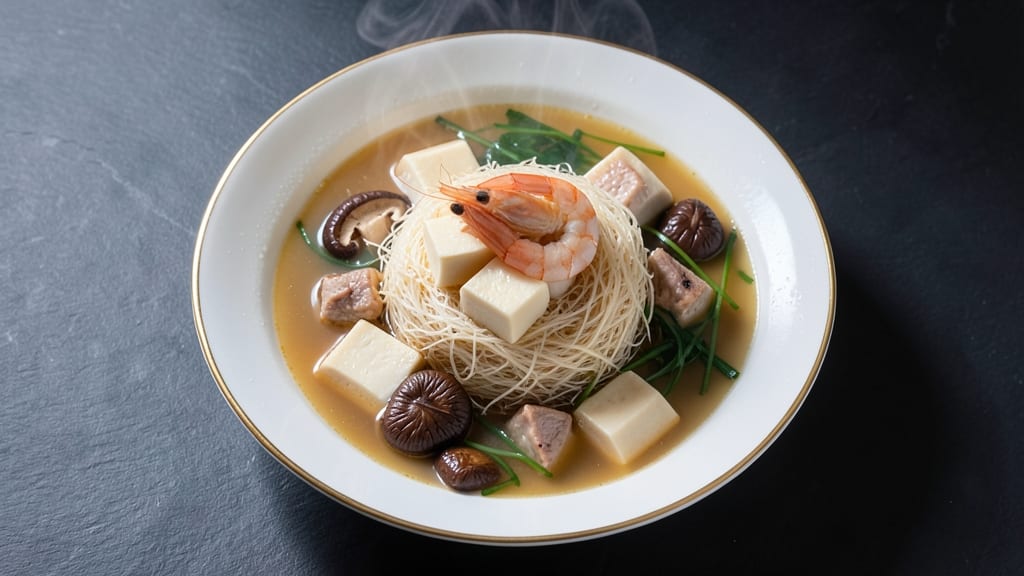
This Filipino-style birds nest soup delivers a luxurious, silky broth that blends centuries-old tradition with comforting modern flavors. 🔥 The secret lies in the bird's nest—harvested from swiftlet nests—dissolved into a delicate, jelly-like consistency that transforms ordinary broth into something extraordinary.
I've refined this recipe over years to balance authenticity with approachable techniques, whether you're using a traditional pot or an Instant Pot for convenience.
The foundation begins with a rich, aromatic broth—typically made from pork bones, chicken, and seafood like shrimp or fish balls—simmered for hours to extract deep umami.
Filipino-style versions often include ginger, garlic, and a touch of soy sauce for complexity, while modern adaptations might incorporate mushrooms or vegetables for added depth. The bird's nest, rehydrated in warm water, becomes the star, dissolving into a velvety texture that coats every spoonful.
What makes this dish truly special is the harmony of textures: silky bird's nest, chewy tofu, tender shrimp, and crisp wakame seaweed all come together in a single bowl. The broth is fragrant with ginger and garlic, while the seafood adds a subtle brininess that complements the soup's natural sweetness.
Each ingredient plays a role—from the protein-rich pork to the mineral-rich wakame—creating a dish that's both nourishing and indulgent.
Perfect for celebrations, family gatherings, or as a luxurious comfort meal, this recipe balances tradition with practicality.
Whether you're serving it as a centerpiece for a special occasion or treating yourself to a taste of Filipino luxury, the result is a soup that feels like a warm embrace in a bowl. Ready to create this masterpiece? Let's begin with the ingredients.
Ingredients for birds nest soup recipe filipino style
Silken threads meet aromatic broth in this luxurious Filipino masterpiece—where tradition and texture unite.
| Ingredient | Amount | Notes |
|---|---|---|
| Bird's Nest (Swiftlet Nest) 🍲 | 1 oz | High-quality, clean, and pure |
| Pork Bones 🥩 | 2 lb | Marbled for rich broth |
| Shrimp 🦐 | ½ lb | Peeled, deveined, head-on |
| Silken Tofu 🧈 | 8 oz | Cubed for delicate texture |
| Wakame Seaweed 🌿 | 2 oz | Dried, rehydrated |
| Dried Shiitake Mushrooms 🍄 | 4 whole | Rehydrated for umami |
| Garlic Cloves 🧄 | 6 cloves | Minced for aromatic base |
| Fresh Ginger 🌿 | 2 tbsp | Grated, aromatic |
| Soy Sauce 🍶 | 2 tbsp | Light or dark preferred |
| Fish Sauce 🐟 | 1 tbsp | High-quality for depth |
| Green Onions 🧅 | 4 whole | Sliced for garnish |
| Sesame Oil 🫒 | 1 tsp | Toasted for aroma |
| Salt 🧂 | 1 tsp | Adjust to taste |
| White Pepper 🌶️ | ½ tsp | Freshly ground |
The bird's nest is the centerpiece—authentic, high-quality swiftlet nests dissolve into a velvety texture that elevates the broth. Asian markets or specialty stores carry premium options, often sold in small jars or as dried nests. For pork bones, marbled cuts from the grocery store meat department yield the richest flavor when simmered. Shrimp should be fresh or frozen—head-on varieties from the seafood counter add extra depth to the broth. Wakame and shiitake mushrooms are non-negotiable for that unmistakable umami; dried varieties from health food stores or bulk bins work perfectly when rehydrated.
No bird's nest? Silken tofu or agar-agar can mimic the silky texture, though the authenticity suffers. Substitute shrimp with scallops or clams for a different seafood profile. Fresh ginger is ideal, but dried works at half the amount if needed. For soy sauce, light soy adds sweetness while dark soy deepens color. The fish sauce must be high-quality—Red Boat or Three Crabs brands are reliable choices. Wakame can be pre-soaked in cold water for 10 minutes, while shiitake mushrooms should be rehydrated in hot water for 20 minutes before using. Green onions add freshness, but bok choy or spinach can substitute if unavailable.
Broth reheats beautifully—simmer gently to preserve texture. Store for 3 days in the fridge or 3 months frozen in airtight containers. Bird's nests keep for years in a cool, dry place, while dried mushrooms and wakame last 6-12 months. For meal prep, portion the broth and toppings separately—assemble just before serving to maintain crispness. The silken tofu and seafood should be added last to prevent overcooking.
Why You'll Love This Recipe
- One-Pot Magic: The broth simmers down to a rich, golden elixir with almost no effort—just toss in the pork bones, simmer 2+ hours, and let the bird’s nest dissolve into that velvety texture. No fancy techniques, just patience and a single pot.
- Umami Bomb: That first sip? Pure flavor explosion—salty-sweet pork bones, briny shrimp, and the bird’s nest’s jelly-like richness all playing together. The wakame adds a chewy, oceanic depth that makes it impossible to stop sipping.
- Weeknight to Celebration: Same recipe works for tired Tuesday nights (add extra veggies) or special occasions (garnish with silken tofu and serve in delicate bowls). The broth’s depth makes it feel luxurious without the fuss.
- Budget Luxury: Pork bones and shrimp stretch this into multiple meals—freeze leftovers for days. Honestly, the bird’s nest might be pricey, but a little goes a long way, and the rest is affordable comfort. My wallet thanks me.
Step-by-step instructions for Filipino-style bird's nest soup
Transform delicate swiftlet nests into a luxurious broth with umami depth and silky textures.
🔥 Step 1: Prepare the Broth Base with Pork Bones
Rinse the 2 lb pork bones thoroughly under cold water to remove any impurities. Place them in a large stockpot and cover with 8 cups cold water. Bring to a boil over high heat, then immediately reduce to a simmer. Skim off any foam that rises to the surface during the first 15 minutes—this ensures a clear broth.
Simmer uncovered for 45 minutes until the broth develops a rich, amber color and the pork bones are tender. The aroma should be deeply meaty with subtle sweetness. Remove the pork bones with tongs and set aside for later use. Strain the broth through a fine-mesh sieve into a clean pot, discarding the solids. This clear foundation is where all your flavors will come together.
👨🍳 Step 2: Bloom Aromatics and Rehydrate Ingredients
In the same pot, add 2 tbsp sesame oil and heat over medium heat until shimmering. Add the 6 minced garlic cloves and 2 tbsp grated fresh ginger, cooking for 1-2 minutes until fragrant but not browned. This step unlocks their full aromatic potential without bitterness.
Soften the 4 rehydrated dried shiitake mushrooms (previously soaked in warm water for 20 minutes) and 2 oz rehydrated wakame seaweed (soaked in warm water for 10 minutes) in the pot for 3 minutes. Add the 1 oz bird's nest (swiftlet nest)—previously soaked in warm water for 30 minutes to soften—and stir gently to distribute. The nests should dissolve into the broth, creating a velvety texture.
🍳 Step 3: Build Umami Layers with Seafood and Seasonings
Add the 0.5 lb peeled shrimp (heads-on for extra flavor) and simmer for 3-4 minutes until just cooked through. Remove the shrimp with a slotted spoon and set aside. Return the broth to a gentle simmer and add the 2 tbsp soy sauce and 1 tbsp fish sauce, stirring to combine. Taste and adjust seasoning with 1 tsp salt and 0.5 tsp white pepper—the broth should be deeply savory but balanced.
Return the shrimp to the pot and add the 8 oz cubed silken tofu, allowing it to warm through for 2 minutes. The tofu should remain delicate, absorbing the broth's flavors without breaking. Here's the thing—silken tofu cooks faster than you think, so keep a close eye on it to avoid overcooking.
⏰ Step 4: Finish and Garnish for Presentation
Remove the pot from heat and let the soup rest for 5 minutes. This allows the flavors to meld and the tofu to fully absorb the aromatic broth. Skim off any excess fat that has risen to the surface—Filipino-style soups are prized for their clarity and elegance.
Divide the soup among 4 bowls, garnishing each with 1 sliced green onion and a drizzle of sesame oil. The presentation should be clean yet vibrant, with the delicate tofu cubes floating in the golden broth. Serve immediately while the tofu is still warm and the broth retains its silky texture.
Pro Tips For Making Birds Nest Soup Recipe Filipino Style
- Bloom the Nests First: Soak your bird’s nests in warm water for 10-15 minutes before adding them to the broth—this softens the fibers so they dissolve properly and don’t turn to mush. I used to just toss them in cold, and half the time they’d clump like sad seaweed. Warm water is gentler, and the soup ends up silkier.
- Parboil Pork Bones: Give those pork bones a quick 5-minute blanch in boiling water before simmering to remove impurities and blood—trust me, you’ll thank yourself later. Skipping this step means your broth will taste muddy, no matter how long you simmer. Rinse them well afterward, too.
- Don’t Overcrowd the Shrimp: Add shrimp in batches when the broth is near boiling, or they’ll steam instead of sear and turn rubbery. I learned this after making a batch where the shrimp looked like sad, pale noodles. A quick sear in hot broth keeps them tender and snappy.
- Toast the Wakame Dry: Pat the wakame seaweed completely dry with paper towels before adding it to the soup—wet strands release too much bitterness and turn slimy. I was skeptical until I tried it; now it’s non-negotiable. A quick shake in a colander works best.
Common mistakes when making your birds nest soup recipe filipino style
Overcooking the Bird's Nest
The bird's nest is delicate and dissolves completely when heated—never boil it. If you simmer it too vigorously, it can turn grainy or clump together, ruining the velvety texture. I've seen beginners add it too early or use high heat, which transforms it into a rubbery mess.
Instead, add the pre-soaked nests to the broth when it's already simmering gently, and stir just enough to distribute without agitation. 💫
Skipping the Pork Bone Simmer
Rushing the pork bone simmer is a classic mistake that results in a weak, watery broth. The bones need at least 45 minutes of uncovered simmering to extract their rich collagen and marrow.
I once skipped this step, thinking 30 minutes would suffice, and ended up with a broth that lacked depth. If you're short on time, use a pressure cooker for 20 minutes on high pressure, but never skip this critical step entirely.
Adding Tofu Too Early
Silken tofu is incredibly delicate and will disintegrate if cooked too long. Many recipes call for adding it at the very end, but even 2-3 minutes of simmering can turn it mushy. I learned this the hard way when my first batch turned into a sad, watery tofu sludge.
Instead, add the tofu cubes just before serving and let them warm through for no more than 2 minutes in the hot broth.
Ignoring the Skimming Step
Skimming the foam from the pork broth is essential for clarity and flavor. If you skip this, your soup will develop a cloudy appearance and a bitter taste from impurities. During the initial 15 minutes of boiling, use a fine-mesh skimmer to remove any scum that rises.
Trust me, this small step makes a huge difference in the final presentation and taste of your soup.
Using Low-Quality Bird's Nest
Not all bird's nests are created equal—cheap, low-quality nests often contain sand, dirt, or even plastic fibers. I once used a bargain bin nest that left gritty particles in my soup, which was disgusting.
Always source your bird's nest from reputable suppliers like Asian markets or specialty stores that sell premium, clean swiftlet nests. The price difference is worth it for that authentic, silky texture.
Overcrowding the Pot
Adding all ingredients at once can cause a temperature drop in the broth, leading to uneven cooking and potential bacterial growth. I've seen recipes where people dump everything in together, and the soup ends up lukewarm and watery.
Instead, build your soup in stages—start with the broth base, then aromatics, then seafood, and finally the delicate tofu and garnishes. This ensures everything cooks properly and stays hot. ⏰
Nutrition facts
Frequently asked questions about Filipino-style bird's nest soup
What makes Filipino-style bird's nest soup different from Chinese versions?
Filipino-style bird's nest soup incorporates local flavors like ginger, garlic, and fish sauce for a deeper umami profile, while often including seafood like shrimp and tofu as key ingredients. The broth is typically lighter, with a focus on clarity and delicate textures rather than the richer, oilier Chinese versions.
Can I substitute bird's nest with something else?
For a similar texture, try silken tofu or agar-agar, though neither replicates the authentic flavor. If you're avoiding seafood entirely, mushroom broth can mimic the umami base, but the dish will lose its signature silky quality.
How do I know when the pork bones are done?
The bones are ready when they're tender and easily pierced with a fork after 45 minutes of simmering. The broth should also develop a rich, amber color and smell deeply meaty. Never rush this step—it's what gives the soup its depth!
Is this soup suitable for vegetarians?
Not traditionally, as it includes pork and shrimp. For a vegetarian version, replace the pork bones with mushroom or kombu broth and use vegetarian fish sauce. However, the authentic flavor relies heavily on animal-based ingredients.
Can I make this soup in an Instant Pot?
Yes! Simmer the pork bones on high pressure for 20 minutes instead of 45 minutes, then proceed with the same steps. The key is maintaining gentle heat when adding delicate ingredients like the bird's nest and tofu. Just be extra careful with timing to avoid overcooking.