
Sauces & Condiments
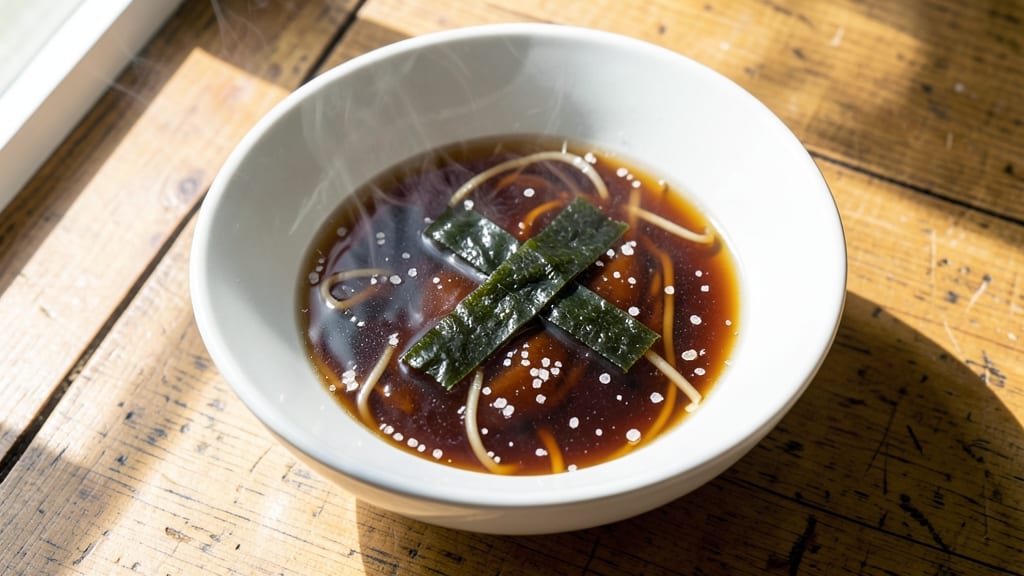
This Kikkoman Hon Tsuyu soup base transforms simple ingredients into a rich, umami-packed broth that elevates every bowl of ramen, miso soup, or noodle dish. The secret lies in balancing soy sauce, mirin, and dashi to create a concentrated flavor that builds depth without overpowering.
I developed this recipe after years of experimenting with Japanese cooking—it's the foundation I reach for whenever I need that signature umami punch.
The process is straightforward: simmer soy sauce, mirin, sugar, and dashi until reduced by half, creating a thick, syrupy base that clings to noodles and enhances broths. No special equipment is needed—just a saucepan and patience for the flavors to meld.
The result is a versatile sauce that works as a dipping sauce, ramen seasoning, or even a glaze for grilled meats. It's the kind of recipe that turns ordinary meals into something special with minimal effort.
What makes this Hon Tsuyu base truly special is its ability to transform simple ingredients into something restaurant-quality. The combination of sweet, salty, and umami flavors creates a complex taste profile that's hard to replicate with store-bought versions.
Once you try making it at home, you'll never go back to the bottled stuff—it's that good. The best part? It keeps well in the fridge for up to two weeks, so you can always have this flavor booster on hand.
Use it to enhance your favorite noodle dishes, stir into hot broths, or even drizzle over grilled vegetables for an instant umami boost. This isn't just a soup base—it's a flavor multiplier that makes every bite more satisfying. Let's get started on creating your own batch today.
Ingredients for kikkoman hon tsuyu soup base
Six core ingredients and two optional boosters create this restaurant-quality umami base.
| Ingredient | Amount | Notes |
|---|---|---|
| Kikkoman Soy Sauce 🍶 | ½ cup | Use regular or light soy sauce |
| Mirin 🍶 | ½ cup | Sweet cooking wine, not mirin substitute |
| White Sugar 🍚 | ¼ cup | Granulated or caster sugar |
| Dashi Stock 🍜 | 1 ½ cups | Instant dashi granules preferred |
| Water 💧 | ½ cup | For thinning if needed |
| Kombu Seaweed 🍃 | 1 piece | Optional for extra umami depth |
| Bonito Flakes 🐟 | 1 tbsp | For traditional dashi flavor |
| Sesame Oil 🌰 | 1 tsp | Toasted for aroma, optional |
The soy sauce and mirin are non-negotiable here—Kikkoman soy sauce is ideal, but any good brand works. For mirin, Hirase or Ozu from Asian markets are worth the splurge, but Trader Joe's has a decent budget option. Sugar balances the saltiness, so don't skimp on quality. The dashi is where the magic happens—Marukome or Hojicha instant dashi makes this easy, but traditional kombu and bonito flakes give that authentic depth. If you're using kombu, look for dried sheets at Asian grocery stores—they're cheaper than pre-packaged versions.
No mirin? Substitute equal parts dry sherry and sugar—it won't be identical, but close. Running out of dashi? Mushroom broth with a dash of fish sauce works in a pinch. The kombu can be omitted if you're not feeling adventurous, but the bonito flakes add that signature umami punch. Sesame oil is optional but adds a lovely aroma—toasted sesame oil from Asian markets is best, but regular works too. For a vegetarian version, skip the bonito flakes and use extra kombu or soy sauce for umami.
This sauce reduces dramatically, so make it in small batches if you're not planning to use it all immediately. Store in a clean glass jar in the fridge for up to 2 weeks—it actually tastes better after flavors meld. For longer storage, freeze in ice cube trays and pop out as needed. The reduced version keeps for 3 months frozen. Use it to elevate ramen, drizzle over grilled veggies, or stir into miso soup—it's the secret weapon in my Japanese cooking arsenal.
Why You'll Love This Recipe
- Five-Ingredient Magic: I swear, this is the kind of recipe where you measure, stir, and boom—flavor happens. No chopping, no peeling, just five pantry staples (Kikkoman, mirin, sugar, dashi, water) that transform into liquid gold. Honestly, I’ve made soups that took twice as long with half the impact.
- Umami Bomb: That first sip? Pure savory satisfaction. The Kikkoman and mirin marry so well with the dashi’s depth—it’s like a hug for your taste buds. Between us, I’ve tried store-bought tsuyu, but this homemade version? Way more complex, way more me.
- Soup Base Swiss Army: Need a quick ramen fix? A miso-glazed protein? A simmer sauce for stir-fry? This is my go-to. I keep a jar in the fridge because it’s the secret weapon behind my favorite weeknight meals. (Yes, even on a Tuesday night.)
- Budget-Friendly Flex: A single batch costs pennies and stretches for days. Freeze what you don’t use—it’s my secret for frugal cooking. Plus, the sugar and mirin balance the salt so perfectly, you won’t miss expensive shortcuts. My wallet thanks me every time.
Step-by-step instructions for Kikkoman Hon Tsuyu soup base
This umami-rich broth comes together faster than you'd expect—just a few simple steps.
Prepare the Kombu and Dashi Foundation
If using the kombu seaweed, rinse it briefly under cold water and pat dry with paper towels. Place it in a small pot with the 1.5 cups dashi stock. Bring to a gentle simmer over medium heat—you'll see delicate bubbles forming at the surface. Let it simmer for 5 minutes to extract the kombu's deep umami essence before removing it with tongs. Discard the kombu or save it for another use.
Here's the thing about dashi—it's the soul of this soup base. Using instant dashi granules makes this process even simpler, but if you're using traditional kombu and bonito, this initial simmer is where all the magic begins. The kombu adds a subtle oceanic sweetness that balances the salty soy sauce later.
Combine the Liquid Ingredients
Return the pot to medium heat and add the 0.5 cup Kikkoman soy sauce and 0.5 cup mirin. Stir gently to combine—you'll notice the mirin's sweetness immediately mellowing the soy's intensity. Let the mixture simmer for 3-4 minutes until it begins to reduce slightly and the aromas fill your kitchen.
This is where the flavor chemistry happens. The mirin's natural sugars caramelize just enough to deepen the umami, while the soy sauce's saltiness comes into balance. Don't rush this step—let those flavors marry for at least 3 minutes before moving forward. You'll smell it transforming from individual ingredients to something cohesive and complex.
Sweeten and Finish with Sesame Oil
Reduce heat to low and stir in the 0.25 cup white sugar until completely dissolved. The mixture should look slightly syrupy but still pourable. Add the 0.5 cup water and stir once more. For the final touch, turn off the heat and let the broth cool slightly before drizzling in the 1 tsp sesame oil. Swirl gently to distribute the oil's nutty aroma throughout.
The sesame oil is optional but adds that authentic Japanese restaurant finish. I like to add it last so the heat doesn't destroy its delicate toasted notes. If you're making this ahead, let it cool completely before refrigerating—it'll keep for up to 5 days in the fridge, ready to transform into any dish you desire.
Strain and Adjust Consistency
For a completely smooth broth, strain through a fine-mesh sieve into a clean pot or bowl. If you prefer a slightly textured version, you can skip this step—but I find the smooth version works best for soups and sauces. Taste and adjust seasoning if needed—you might want to add a pinch more sugar to balance the soy's saltiness or a splash more water if it's too thick.
This broth is incredibly versatile. Use it as-is for miso soup, reduce it further for a glaze, or incorporate it into stir-fries. The key is keeping it balanced—sweet, salty, and umami-rich with that subtle sesame aroma. Store any leftovers in an airtight container in the refrigerator for up to 5 days.
Pro Tips For Making Kikkoman Hon Tsuyu Soup Base
- Simmer Slow and Steady: I learned this the hard way—boiling hon tsuyu too fast turns it bitter. Keep the heat at a gentle simmer (just small bubbles breaking the surface) for 10-15 minutes after adding sugar. The sugar needs time to fully dissolve and caramelize slightly, not burn.
- Measure Mirin Precisely: Mirin’s alcohol content evaporates fast, but overdoing it makes the soup taste sharp. Use exactly 1 tablespoon per cup of dashi—no eyeballing. If you’re short, substitute with 1 tsp mirin + 1 tsp water, but don’t skip the acidity entirely.
- Dissolve Sugar First: I used to toss sugar in at the end, and it would clump like gravel. Instead, mix it with a splash of water (about 2 tbsp) in a small bowl before adding to the pot. Stir until fully dissolved—this guarantees a smooth, silky texture, not a gritty surprise.
- Skip the Boil for Clarity: Hon tsuyu should never boil after combining all ingredients. Once the sugar dissolves, reduce to the lowest heat and let it barely simmer—just enough to keep warm. Boiling after this step darkens the color and ruins the delicate balance of flavors.
Creative variations of this recipe
Sweet-Savory Glaze
Reduce this soup base by half for a sticky, umami-packed glaze that transforms grilled meats or tofu. Simmer the base in a saucepan over medium-high heat until it thickens to a syrup-like consistency (about 10-15 minutes).
Brush over seared scallops, chicken thighs, or extra-firm tofu before grilling—it caramelizes beautifully, creating a crispy crust with deep Japanese flavors. I love using it on teriyaki-glazed salmon or miso-marinated pork belly for a restaurant-quality finish. 🔥
Miso Soup Upgrade
Stir 1 tablespoon of white miso paste into 2 cups hot dashi, then add 2 tablespoons of this Hon Tsuyu base for a complex, layered flavor. The umami from the base enhances the miso without overpowering it.
Serve with soft tofu cubes, wakame seaweed, and scallions for a restaurant-worthy bowl. For extra depth, add a dash of grated ginger or chili oil at the end. This combo is my go-to for quick, satisfying lunches—minimal effort, maximum flavor.
Ramen Broth Booster
Add ½ cup of this base to 4 cups of simmering chicken or pork broth for instant umami richness. The mirin and soy sauce blend seamlessly with the broth, creating a balanced, aromatic base for ramen.
For a creamy texture, whisk in 1 beaten egg and 2 tablespoons of cornstarch slurry before serving. Garnish with soft-boiled eggs, chashu pork, and green onions for a homestyle ramen that tastes like it came from a Tokyo izakaya. 🍜
Quick Stir-Fry Sauce
Mix 2 tablespoons of the base with 1 tablespoon of oyster sauce and 1 teaspoon of rice vinegar for a fast, flavorful stir-fry sauce. Toss with sautéed bok choy, shiitake mushrooms, or shrimp for a one-pan meal in under 15 minutes.
The sweet-savory balance cuts through the richness of fried noodles or tofu, making it perfect for weeknight dinners. Keep a small jar in your fridge for instant umami upgrades—it’s my secret weapon for lazy nights. ✨
Dipping Sauce Magic
Thin the base with equal parts water (or green tea for a refreshing twist) to create a light, drizzling sauce for sushi, dumplings, or edamame. The balance of sweet, salty, and umami makes it addictively good—way better than store-bought options.
For a spicy kick, add ½ teaspoon of sriracha or grated daikon radish. I love using it with steamed gyoza or fresh mochi—it’s the kind of sauce that makes every bite feel special. 💛
Nutrition facts
Frequently asked questions
What's the difference between this Hon Tsuyu base and store-bought versions?
Homemade Hon Tsuyu has a fresher, more balanced flavor profile with adjustable sweetness and deeper umami from fresh ingredients. Store-bought versions often contain preservatives and may taste overly salty or sweet. This recipe lets you control the sugar-to-soy ratio for perfect harmony every time.
Can I make this Hon Tsuyu base without mirin?
Yes! Replace mirin with equal parts dry sherry and sugar (e.g., ¼ cup sherry + ¼ cup sugar for ½ cup mirin). The flavor won't be identical, but it'll still add sweetness and depth. For a vegetarian option, use white grape juice + sugar instead.
How do I adjust the thickness of the soup base?
If it's too thick, thin with warm water or dashi stock (1 tbsp at a time). For extra thickness, simmer uncovered for 5-10 minutes until reduced by half. The ideal consistency is like a thin syrup—pourable but slightly syrupy when drizzled.
Can I freeze this Hon Tsuyu base?
Portion into ice cube trays or small jars for easy use. Frozen base keeps for 3 months and works perfectly in soups or stir-fries. Thaw overnight in the fridge before using—no need to defrost quickly. Perfect for meal prep!
What's the best way to use leftover Hon Tsuyu?
Drizzle over grilled meats, noodles, or steamed veggies for instant flavor. It also makes a fantastic glaze for tofu or dumplings—just reduce it slightly first. Or blend with a little water** to create a quick dipping sauce for spring rolls. The possibilities are endless!