
Soups & Stews
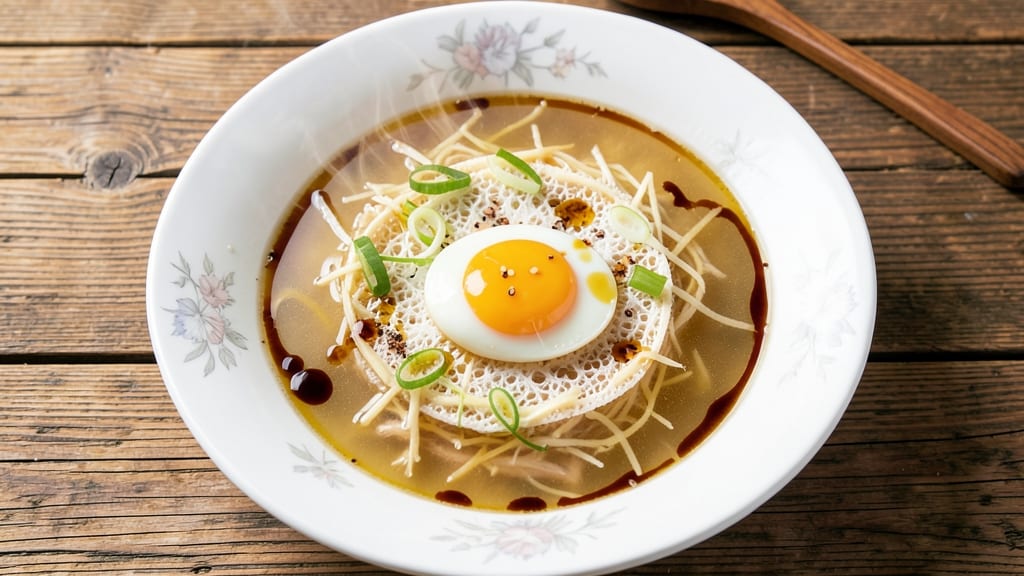
Molly Yeh's egg drop soup recipe transforms a simple broth into a restaurant-worthy masterpiece with its signature silky egg ribbons and fragrant ginger aroma. The secret lies in precise heat control and a balance of aromatic ingredients that create depth without overwhelming the delicate eggs.
I've perfected this technique after countless attempts to recreate that first sip of velvety perfection.
What makes this recipe truly special is the harmony between the ginger-scented broth and the delicate egg ribbons that form as you drizzle them in. The broth should be clear yet flavorful, with just enough body to coat a spoon without being heavy.
Molly Yeh's approach emphasizes fresh ginger and scallions for brightness, while a touch of sesame oil adds an umami richness that elevates the dish beyond basic versions.
By the time you finish this recipe, you'll have a bowl of soup that's both comforting and sophisticated—golden egg ribbons floating in a fragrant broth that's fragrant with ginger and aromatic herbs.
The presentation matters too: serve it in deep bowls with crispy fried shallots sprinkled on top for that final restaurant-quality touch.
This recipe delivers restaurant-quality results at home with simple ingredients and clear techniques. The key is patience—letting the broth develop its aroma and controlling the heat precisely when adding the eggs. Once mastered, this will become your go-to soup for quick lunches or comforting dinners.
Ingredients for molly yeh egg drop soup
Simple ingredients elevate to restaurant-quality egg drop soup with fragrant ginger and silky egg ribbons.
| Ingredient | Amount | Notes |
|---|---|---|
| Chicken Broth 🍲 | 4 cups | Homemade or high-quality store-bought |
| Fresh Ginger 🧅 | 2 tbsp | Finely grated, aromatic variety |
| Scallions 🧅 | 4 whole | Thinly sliced, white and green parts |
| Sesame Oil 🫒 | 1 tbsp | Toasted, for umami depth |
| Large Eggs 🥚 | 4 whole | Fresh, cold, for silky ribbons |
| Cornstarch 🌾 | 1 tsp | Dissolved in 1 tbsp water |
| Soy Sauce 🍶 | 1 tsp | Light or regular, for balance |
| White Pepper 🌶️ | ¼ tsp | Freshly ground for subtle heat |
| Shallots 🧅 | 2 whole | Minced, for crispy garnish |
| Vegetable Oil 🫒 | 2 tbsp | For frying shallots |
| Salt 🧂 | ½ tsp | Adjust to taste |
The broth is the foundation—homemade chicken broth delivers the best depth, but Kitchen Basics or Pacific brand work in a pinch. Fresh ginger is non-negotiable here; look for plump, firm rhizomes with no soft spots. The scallions should be bright and crisp—Asian markets often have the freshest. Sesame oil adds that signature umami, so Kadoya or La Tourangelle are my go-tos. For the eggs, cold, fresh eggs from the back of the fridge create those signature ribbons—warm eggs make them rubbery.
No fresh ginger? Powdered works at half the amount, but it lacks the aromatic complexity. Scallions too tough? Green onions substitute 1:1. The cornstarch slurry is crucial—it thickens the broth just enough to coat the spoon without overpowering. For the shallots, fry until deep golden and crispy—they should shatter when sprinkled on top. The soy sauce adds subtle depth; Kikkoman is reliable, but any light soy will do. White pepper is key for that classic restaurant finish—freshly grind it for maximum impact.
Broth keeps 3-4 days refrigerated, but the shallots lose crispness after 1 day, so fry them fresh when serving. Eggs should be used within 1 week of purchase for best ribbon formation. Store ginger in a cool, dark place for 2-3 weeks, and scallions wrapped in damp paper towels last 1 week. For extra efficiency, prep the shallots ahead and store in an airtight container—they crisp up again when reheated.
Why You'll Love This Recipe
- I swear by this trick: just slice the ginger thin and toss it in whole—no peeling, no grating. The broth pulls enough flavor out that you barely notice. Honestly, the scallions get the most attention (because they’re pretty), but the ginger’s the real MVP here.
- Three ingredients I always have: eggs, broth, and ginger. Sesame oil? A tiny bottle lasts forever. It’s the kind of recipe that turns a $5 grocery run into a meal—no excuses. Plus, leftovers? They’re even better the next day.
Step-by-step instructions for molly Yeh's egg drop soup
Master this delicate balance of silky egg ribbons and aromatic ginger broth.
Prepare the Ginger Broth Base
In a medium saucepan, combine the 4 cups chicken broth with the 2 tablespoons finely grated fresh ginger. Bring to a gentle simmer over medium heat—you'll hear a soft, rhythmic bubbling. Let it steep for 5 minutes to infuse the broth with ginger's bright, aromatic essence.
While waiting, dissolve the 1 teaspoon cornstarch in 1 tablespoon cold water until completely smooth. This slurry will later thicken the broth just enough to create those signature egg ribbons without making the soup gluey. Keep the broth at a gentle simmer—never a rolling boil—or the ginger will become bitter.
Season and Thicken the Broth
Add the 1 teaspoon soy sauce and 0.25 teaspoon freshly ground white pepper to the simmering broth. Stir gently to combine—this is where the soup's savory depth develops. Let it cook for 3-4 minutes until the broth reduces slightly and the aroma becomes more concentrated.
Remove the pan from heat and whisk in the cornstarch slurry in a slow, steady stream. Return to low heat and stir constantly for 1-2 minutes until the broth thickens to a delicate, satin-like consistency. You're aiming for a texture that coats the back of a spoon but still flows easily—like warm silk. If it thickens too quickly, add 1 tablespoon hot water to adjust.
Create Silky Egg Ribbons
Crack the 4 cold large eggs into a small bowl. Using a fork, whisk vigorously for 30 seconds until the whites and yolks are fully combined but still slightly frothy. The cold eggs are crucial—they create those signature delicate ribbons instead of scrambled curds.
With the broth still at low heat, slowly drizzle the egg mixture in a thin, steady stream while stirring the broth with chopsticks in one continuous motion. The key is to keep the broth moving gently—this creates long, wispy ribbons that melt on your tongue. Work quickly but deliberately, as the eggs will start setting almost immediately. If any egg curds form, gently break them apart with the chopsticks.
Finish with Aromatics and Garnish
Heat 2 tablespoons vegetable oil in a small skillet over medium heat. Add the 2 minced shallots and fry for 1-2 minutes until golden and crispy. Watch them carefully—they'll darken quickly. Remove from heat and set aside.
Return the soup to low heat and stir in the 4 thinly sliced scallions (white and green parts). Add the 1 tablespoon toasted sesame oil and the 0.5 teaspoon salt, adjusting to taste. The sesame oil adds a nutty depth that complements the ginger's brightness. Taste and make any final adjustments—this is where you balance the soup's harmony of flavors.
Serve Immediately for Perfect Texture
Divide the soup among 4 bowls, garnishing each with the crispy fried shallots and a sprinkle of scallion greens. Serve immediately while the egg ribbons are at their peak silky texture. The soup will continue to thicken slightly as it sits, so don't wait too long.
Each spoonful should deliver a perfect marriage of flavors: the bright ginger, savory soy, subtle white pepper heat, and the delicate egg ribbons that melt instantly. The contrast between the crispy shallots and silky broth creates the ultimate textural experience. Enjoy while warm—this soup is best savored fresh from the pot.
Pro Tips For Making Molly Yeh Egg Drop Soup
- Simmer Broth Low and Slow: Molly Yeh’s version relies on a clean, flavorful broth—don’t rush it. Bring the chicken broth to a bare simmer (tiny bubbles at the edges) and keep it there the whole time. I used to crank the heat higher to speed things up, but that clouds the broth and dulls the ginger’s punch. Low and steady guarantees clarity and depth.
- Mince Ginger Like Confetti: Skip the thick slices or rough chop—this soup demands finely minced ginger, almost powdery. Use a microplane or the edge of your knife to turn it into a paste, then stir it into the hot broth for 30 seconds before adding eggs. My grandmother swore by this, and she was right: it dissolves completely, infusing every strand of egg ribbon with bright, aromatic heat.
- Beat Eggs Until Thick: Whisk those eggs until they’re noticeably thicker than usual—almost like a light ribbon stage. This prevents the soup from turning gluey when the eggs hit the broth. I learned this the hard way after a batch turned into an opaque, sad puddle. A few extra seconds with the whisk makes all the difference.
- Add Scallions in Two Stages: Toss half the scallions into the broth while it simmers, then reserve the rest for garnish. The cooked greens mellow the soup’s sharpness, while the raw tops add a fresh crunch. Sounds simple, but I used to dump them all in at once—now I know better. The contrast is what makes this soup sing.
Essential equipment for this dish
Ginger Grater Essentials
Fresh ginger is non-negotiable for that signature aromatic punch, so invest in a microplane grater—it yields fine, even shreds without the fibrous texture of a box grater. I use my OXO Good Grips microplane because it's gentle on my knuckles and produces consistent results every time.
For maximum efficiency, peel the ginger first with a spoon to remove the tough outer skin, then grate directly into the broth. 🧅
Heat Control Tools
Precise temperature control is everything for those silky egg ribbons. A digital thermometer like the Thermoworks Thermapen helps monitor broth temperature—ideal range is 180-190°F when adding eggs. For smaller kitchens, I rely on my stainless steel saucepan (like All-Clad) because it heats evenly and responds quickly to adjustments.
Avoid aluminum—it reacts with acidic ingredients and can alter flavors.
Egg Ribbon Pro Tips
Cold eggs are your secret weapon for perfect ribbons, so keep them in the fridge until ready to use. A small mixing bowl (6-inch diameter) works best for whisking—it's deep enough to prevent splatter while giving you room to work.
I also keep a fine-mesh strainer nearby to catch any stray egg bits that might fall through while drizzling. For extra precision, use chopsticks to stir the broth while adding eggs—they create gentle, consistent motion for those signature wispy strands. 🥚
Shallot Fryer Setup
Crispy fried shallots need a dedicated skillet—my 10-inch cast iron from Lodge handles the heat perfectly. A wire mesh skimmer (like Norpro) makes transferring the golden shallots to paper towels effortless. For best results, fry in small batches to maintain even heat.
I keep a small bowl of ice water nearby to stop the cooking process immediately once they're done—this preserves their crisp texture for garnishing.
Broth Thickener Kit
The cornstarch slurry requires a small whisk (like OXO Good Grips) and a measuring spoon set for precise ratios. I also keep a small glass jar with a lid to store my pre-mixed slurry—just add 1 tsp cornstarch + 1 tbsp water and shake well before using.
For broth adjustments, a small ladle (like Cuisinart) helps add hot water in 1-tbsp increments without over-diluting. A fine-mesh sieve (8-inch diameter) catches any stray cornstarch bits that might settle at the bottom.
Nutrition facts
Frequently asked questions
Why does Molly Yeh's recipe use cold eggs for the egg ribbons?
Cold eggs create those signature delicate ribbons because their lower temperature slows coagulation when they hit the hot broth. Using eggs straight from the fridge also prevents the whites from scrambling too quickly—this is what gives the soup its signature silky texture. Warm eggs will make the ribbons thicker and less elegant.
Can I make this soup vegetarian?
Replace the chicken broth with a rich vegetable broth made from mushrooms, carrots, celery, and kombu. For extra umami, add a splash of soy sauce or a dash of miso paste. The technique for the egg ribbons and ginger broth remains exactly the same—just ensure your broth has enough depth of flavor.
What if my egg ribbons turn into scrambled eggs?
This happens when the broth is too hot or the eggs aren't cold enough. First, make sure your eggs are straight from the fridge. Second, keep the broth at a gentle simmer (180-190°F) and stir continuously with chopsticks while adding the eggs. If it happens, gently break apart any curds with the chopsticks—they'll still taste delicious!
How do I store leftovers?
Store leftovers without the crispy shallots (they lose their crunch) in an airtight container in the fridge for up to 2 days. Reheat gently on the stovetop over low heat, stirring constantly. The egg ribbons will soften slightly, but the broth's flavor remains intact. Add fresh shallots when serving to restore that restaurant-quality garnish.
Can I use powdered ginger instead of fresh?
You can, but fresh ginger gives the soup its signature aromatic depth. If using powdered, reduce to 1 teaspoon and add it directly to the broth with the soy sauce. For best results, though, invest in a microplane grater—it makes fresh ginger quick and easy, and the flavor difference is noticeable.