
Soups & Stews
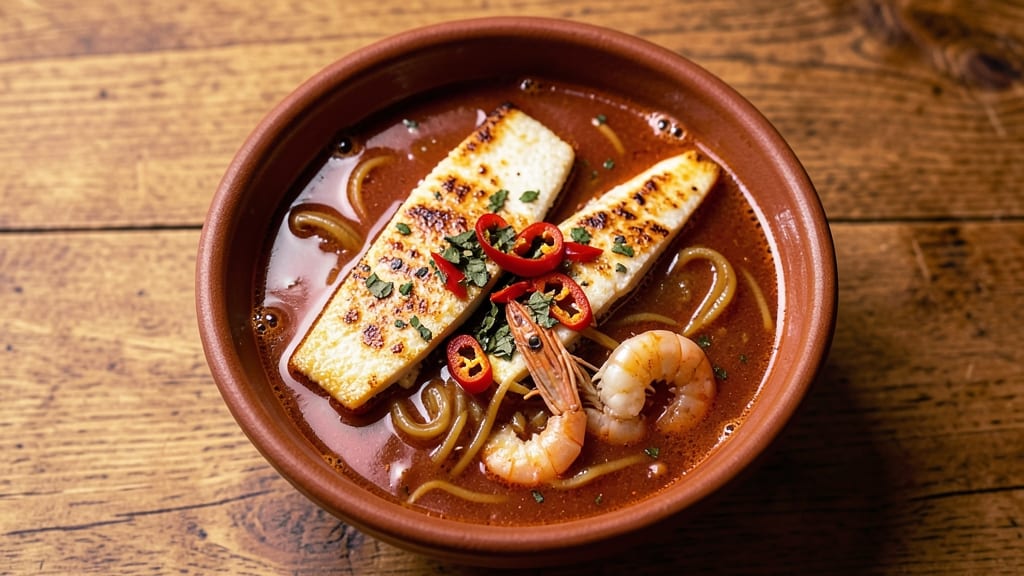
This African fish pepper soup recipe delivers the perfect harmony of bold spices, tender fish, and complex flavors that define West African cuisine. The secret lies in balancing fiery peppers, tangy utazi leaves, and umami-rich crayfish for a soup that's as vibrant as it is satisfying.
I've perfected this recipe over years of cooking, ensuring every spoonful delivers that signature flaky fish and aromatic broth.
The foundation starts with a rich, pepper-infused broth that simmers for hours, developing deep layers of flavor. Fresh utazi leaves (or spinach as a substitute) add that signature tang, while crayfish and locust beans contribute earthy, savory depth.
The fish—traditionally tilapia or mackerel—cooks just long enough to stay flaky and moist, absorbing all those incredible flavors.
What you'll end up with is a steaming bowl of soup where the fish practically melts in your mouth, the broth is fragrant with spices, and each bite delivers that perfect balance of heat, sourness, and umami.
The texture contrast between tender fish and slightly crisp vegetables makes every spoonful irresistible.
Serve this traditional dish with pounded yam, fufu, or rice to soak up every last drop of that flavorful broth. The recipe includes tips for ingredient substitutions and shortcuts, so you can achieve authentic results even with limited access to specialty ingredients.
Ingredients for african fish pepper soup
Bold spices, flaky fish, and tangy leaves—everything you need for this vibrant West African classic.
| Ingredient | Amount | Notes |
|---|---|---|
| Fresh Tilapia Fillets 🐟 | 1 ½ lb | Skin-on for best flavor |
| Scotch Bonnet Peppers 🌶️ | 2 whole | Seeds removed for less heat |
| Dried Utazi Leaves 🌿 | ½ cup | Or substitute spinach leaves |
| Crayfish 🦐 | ½ lb | Dried or fresh, cleaned |
| Locust Beans (Iru) 🌱 | ¼ cup | Soaked overnight, blended |
| Fresh Ginger Root 🧄 | 2 tbsp | Grated, not powdered |
| Garlic Cloves 🧄 | 6 cloves | Minced for aromatic base |
| Red Bell Peppers 🌶️ | 1 whole | Diced for color and crunch |
| Tomatoes 🍅 | 3 whole | Ripe, blended for broth |
| Onions 🧅 | 1 whole | Yellow, chopped finely |
| Vegetable Oil 🫒 | ½ cup | For sautéing spices |
| Salt 🧂 | 1 ½ tsp | Adjust to taste |
| Black Pepper 🌶️ | ½ tsp | Freshly cracked |
| Thyme Leaves 🌿 | ¼ cup | Fresh or dried |
| Lemon Juice 🍋 | 2 tbsp | Freshly squeezed |
The fish makes or breaks this dish, so tilapia or mackerel are your best bets—they stay flaky and soak up the broth beautifully. If you can't find fresh utazi leaves, spinach or pumpkin leaves work in a pinch, but they won't have that signature tang. For crayfish, African markets or specialty stores usually carry them dried—just soak and clean them before using. The scotch bonnet peppers are non-negotiable for that signature heat, but if you can't find them, jalapeños or habaneros will do in a bind. Locust beans (iru) are the secret umami bomb—if you can't find them, dried shrimp or mushrooms add depth, though nothing quite matches their earthy punch.
No fresh ginger? Powdered works at half the amount, but it lacks that bright zing. The tomatoes can be canned (San Marzano if possible) for convenience, but fresh gives the best flavor. If you're short on time, blend the tomatoes and onions first—it cuts prep time in half. The thyme? Fresh is ideal, but dried at one-third the amount gets you close. For the peppers, remove seeds and membranes if you want less heat but still keep that smoky flavor. And trust me on the lemon juice—it brightens everything up at the end.
This soup tastes even better the next day as the flavors meld. Store in an airtight container in the fridge for up to 3 days—the broth gets richer overnight. For leftovers, reheat gently on low heat, adding a splash of water if it gets too thick. Freezes beautifully for up to 3 months, though the fish texture might get a bit softer. I always make extra because it disappears fast—perfect for meal prep or feeding a crowd.
Why You'll Love This Recipe
- One-Pot Magic: I swear by this recipe when I’m too tired to wash a million dishes—just a pot, a few ingredients, and 30 minutes later, that rich, spicy-sweet broth is simmering. The tilapia falls apart so easily, and the crayfish adds this unexpected crunch that makes it feel like a restaurant dish.
- Heat Meets Comfort: Between us, the Scotch bonnet gives it that signature kick, but the utazi leaves? They’re the secret—earthy, slightly bitter, and so satisfying. It’s not just spicy; it’s layered—like a hug in soup form, especially when the locust beans thicken it just right.
- Weeknight to Party: Honestly, I make this for lazy Tuesdays, but it’s also the star of my dinner parties. Pour it over rice, serve with plantains, or even let it cool for packed lunches—it reheats like a dream. My friends always ask for the recipe, and I never say no.
- Leftovers That Don’t Suck: Most soups get watery the next day, but this one? Better. The flavors deepen, and the texture stays perfect—ideal for quick lunches or feeding unexpected guests. Plus, the crayfish and iru stretch every penny, so you’re not scrambling for groceries mid-week.
Step-by-step instructions for African fish pepper soup
Transform simple ingredients into a vibrant, aromatic dish that delivers flaky fish and bold African flavors in every spoonful.
Prepare the Locust Beans and Crayfish
Start by soaking the 0.25 cup locust beans (iru) in water for at least 8 hours or overnight. This softens them and makes them easier to blend. Drain and blend them with enough water to create a smooth, thick paste—about ½ cup of blended locust beans. Set aside.
Clean the 0.5 lb crayfish thoroughly by removing the legs and heads, then chopping them into small pieces. If using dried crayfish, soak them in warm water for 15 minutes to rehydrate before chopping. This step ensures the crayfish infuse maximum flavor into the soup.
Build the Aromatic Base
Heat 0.5 cup vegetable oil in a large pot over medium heat. Add the 1 whole chopped onion and cook for 5 minutes until softened and translucent. Stir in the 2 tbsp grated fresh ginger root and 6 cloves minced garlic cloves, cooking for another 2 minutes until fragrant.
Add the 1 whole diced red bell pepper and cook for 3 minutes until slightly softened. This aromatic base forms the flavor foundation of your soup—don't rush this step. The vegetables should release their natural oils and create a rich, savory aroma.
Add Spices and Simmer the Broth
Pour in the blended locust bean paste and stir well to combine. Add the 2 whole Scotch bonnet peppers (seeds removed) and 3 whole blended tomatoes. Cook for 5 minutes until the mixture thickens slightly and the raw taste of the locust beans disappears.
Add 2 cups water (or enough to cover ingredients) and bring to a boil. Reduce heat to low and let it simmer for 15 minutes, stirring occasionally. This allows the flavors to meld together beautifully. If the soup becomes too thick, add a splash of water to maintain consistency.
Incorporate Fish and Season
Add the 1.5 lb fresh tilapia fillets (skin-on for best flavor) to the simmering pot. Gently stir to coat the fish in the flavorful broth. Sprinkle in the 0.5 cup dried utazi leaves (or substitute spinach leaves) and 0.25 cup thyme leaves, then add the 1.5 tsp salt and 0.5 tsp black pepper. Simmer for 8-10 minutes until the fish is cooked through and flakes easily with a fork.
Add the chopped crayfish pieces and cook for another 2 minutes to heat through. Finally, stir in the 2 tbsp freshly squeezed lemon juice and adjust the seasoning if needed. The lemon juice brightens the flavors and balances the richness of the soup.
Serve with Confidence
Remove from heat and let the soup rest for 5 minutes to allow all the flavors to meld together. Serve immediately with crusty bread or steamed rice to soak up the delicious broth. The fish should be flaky, the crayfish tender, and the soup bursting with aromatic spices.
This dish is best enjoyed fresh, so don't wait too long before serving. The bold flavors of the African spices combined with the delicate flakiness of the tilapia make this soup a true taste sensation.
Pro Tips For Making African Fish Pepper Soup
- Blister Scotch Bonnets First: Toss whole peppers into a dry pan over medium-high heat for 2-3 minutes until skins blacken—this softens their flesh and deepens the soup’s smoky heat. I learned this the hard way after straining a soup full of tough, chewy pepper bits because I skipped it.
- Toast Locust Beans Low: Spread iru on a tray and bake at 300°F (150°C) for 10-12 minutes until fragrant but not browned—this removes bitterness without burning. My grandmother swore by this, and she was right: skipping the toasting makes the soup taste flat and dusty.
- Simmer Fish in Stages: Add tilapia fillets only after the crayfish and utazi leaves have steeped for 10 minutes—this lets the broth build depth before the fish poaches. After burning three batches of rubbery fish, I finally figured out that rushing this step ruins the texture.
- Use Crayfish Shells Too: Don’t toss the shells—crush them with the bodies and fry them first in oil for 2 minutes. This extracts extra umami and color into the soup, making it richer. Sounds weird, but it works: my lazy shortcut of skipping this leaves the broth pale and one-dimensional.
Wine and beer pairings for african fish pepper soup
West African Craft Beer
Pair this vibrant soup with a crisp, slightly spicy West African craft beer like Nigerian Star Lager or Ghanaian Guinness. The light body and subtle maltiness of Star Lager complement the peppery heat without overpowering the delicate fish.
For a bolder match, try Tuak, a traditional palm wine from Malaysia or Indonesia, which adds a fruity tang that mirrors the soup’s complexity. 🍺
Dry Red Wine
A medium-bodied Spanish Garnacha or Italian Chianti works beautifully with the soup’s spicy and umami notes. The acidity in the wine cuts through the richness of the crayfish and locust beans, while the tannins balance the heat from the Scotch bonnet peppers.
Look for a wine with 13-14% alcohol to stand up to the bold flavors without overwhelming them.
Citrus-Infused White Wine
For a lighter option, try a Sauvignon Blanc with citrus notes, like one from Loire Valley, France, or New Zealand. The bright acidity and hints of lime or lemon in the wine will echo the lemon juice in the soup, creating a harmonious flavor bridge.
A dry Riesling from Germany also pairs well, especially if it has a touch of spice.
Non-Alcoholic Pairings
If you prefer non-alcoholic options, a ginger beer with a kick of spice or a hibiscus iced tea (common in West Africa) enhances the soup’s flavors beautifully. For a refreshing contrast, try coconut water chilled with a squeeze of lime—it cools the palate after each spicy bite. 💧
Local African Brews
For an authentic experience, seek out traditional African brews like Dolo (a millet-based drink from Burkina Faso) or Pombe (a Tanzanian banana beer). These fermented drinks have earthy, slightly sweet notes that complement the soup’s depth.
If you can’t find them locally, a dark, malty stout like Guinness offers a similar richness.
Nutrition facts
Frequently asked questions
Can I substitute fresh utazi leaves if I can't find them?
While utazi leaves give that signature tang, spinach or pumpkin leaves work well as substitutes. Use about 1 cup fresh spinach for every 0.5 cup dried utazi leaves in the recipe. For extra authenticity, add a splash of lemon juice to boost the sourness.
How do I adjust the heat level in this soup?
The Scotch bonnet peppers provide the signature heat. For milder flavor, remove all seeds and membranes before chopping. If you prefer extra spice, add 1 extra pepper or keep the seeds in. For a smoky depth without heat, swap in red bell peppers instead.
What type of fish works best for this recipe?
Tilapia or mackerel are ideal—they stay flaky and absorb the broth beautifully. Other firm white fish like cod or snapper work too. Avoid delicate fish like sole, which may fall apart. For extra richness, use skin-on fillets to add texture and flavor.
Can I make this soup ahead of time?
Yes! This soup tastes even better the next day as flavors meld. Store in an airtight container in the fridge for up to 3 days. Reheat gently on low heat, adding a splash of water if it thickens. For freezing, remove the fish before storing and reheat separately to maintain texture.
What's the best way to serve leftover fish pepper soup?
Serve with pounded yam, fufu, or steamed rice to soak up the rich broth. For a quick meal, pair with crusty bread or plantains. To revive leftovers, stir in a splash of lemon juice and a pinch of locust bean paste to restore depth.