
Soups & Stews
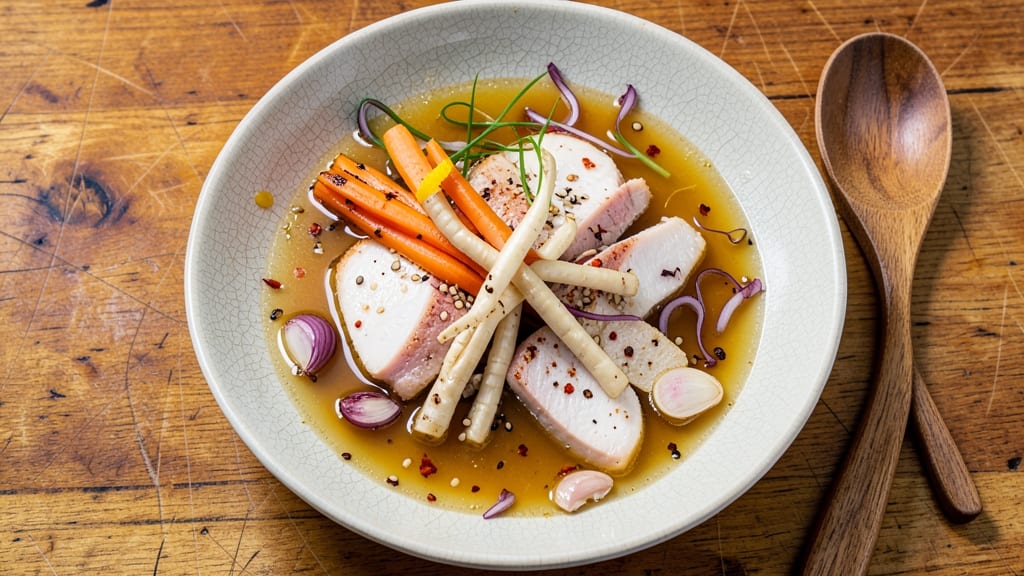
This American ginseng soup transforms a traditional medicinal herb into a comforting, nutrient-packed dish that warms both body and soul. 💛 The secret lies in slow-simmering fresh ginseng root with aromatic vegetables and protein, creating a broth that's rich in immune-boosting properties while delivering restaurant-quality depth of flavor.
Unlike its Asian counterparts, this version balances earthy ginseng with familiar American ingredients like chicken or mushrooms, making it approachable yet deeply nourishing.
What sets this soup apart is the careful preparation of the ginseng—lightly steamed to preserve its medicinal compounds while allowing its subtle sweetness to infuse the broth. The result is a velvety, aromatic soup with just the right amount of herbal complexity, never overpowering.
We'll use a combination of ginger and garlic to complement the ginseng's earthy notes, while vegetables like carrots and celery add natural sweetness and texture. The soup works equally well as a light main course or hearty starter, making it versatile for any meal.
The real magic happens during the simmering process, where the ginseng releases its beneficial compounds into the broth, creating a dish that's both comforting and functional. Each spoonful delivers not just flavor but also the potential health benefits of ginseng—adaptogenic properties that help support energy levels and immune function.
This isn't just soup; it's a medicinal experience served in a bowl, perfect for those chilly days when you need both nourishment and comfort.
Whether you're preparing this for a family gathering or a quiet weeknight dinner, the soup's rich aroma will fill your home with warmth. The recipe scales beautifully, so you can easily adjust the quantities to serve a crowd or save leftovers for later.
Garnish with fresh herbs or a drizzle of sesame oil for an extra layer of sophistication. Let's create this nourishing bowl of goodness together—your taste buds and your immune system will thank you.
Ingredients for american ginseng soup
Pantry staples meet medicinal herbs—earthy ginseng and comforting vegetables come together beautifully.
| Ingredient | Amount | Notes |
|---|---|---|
| Fresh American Ginseng Root 🌿 | ½ oz | Lightly steamed, sliced thin |
| Boneless Chicken Breast 🍗 | 1 ½ lb | Cut into bite-sized pieces |
| Carrots 🥕 | 3 medium | Peeled, sliced into rounds |
| Onion 🧅 | 1 medium | Yellow or white, chopped |
| Fresh Ginger Root 🌿 | 2 tbsp | Grated, fresh preferred |
| Garlic Cloves 🧄 | 4 cloves | Minced, fresh preferred |
| Celery Stalks 🧅 | 3 whole | Trimmed, sliced into pieces |
| Vegetable or Chicken Broth 💧 | 6 cups | Low-sodium preferred |
| Sesame Oil 🫒 | 1 tbsp | For finishing, optional |
| Fresh Cilantro 🌿 | ¼ cup | Chopped, for garnish |
| Salt 🧂 | 1 tsp | Diamond Crystal preferred |
| Black Pepper 🌶️ | ½ tsp | Freshly ground |
| Soy Sauce 🍶 | 1 tbsp | For umami depth |
| Honey 🍯 | 1 tbsp | To balance earthiness |
The ginseng is everything here. Look for fresh root at specialty herb shops or Asian markets—it should be firm and free of blemishes. If you can't find fresh, dried ginseng slices work too, but soak them first. The chicken breast matters for protein, but you can swap in mushrooms for a vegetarian version. Carrots and celery add natural sweetness while balancing the ginseng's earthy notes. I always grab organic produce when possible—Trader Joe's and Whole Foods have great options. For the ginger, freshly grated is non-negotiable—it makes all the difference.
No fresh ginseng? Dried slices from a health store will work, but increase to 1 oz and simmer longer. Chicken broth instead of veggie? Add a chicken breast to the pot for extra depth. Short on celery? Substitute with more carrots or even leeks. The soy sauce and honey balance the herbal flavors beautifully—use tamari for gluten-free. For a creamier texture, stir in 1/2 cup coconut milk at the end. The sesame oil is optional but adds that restaurant-quality finish—toasted sesame seeds work too.
This soup tastes even better the next day as flavors meld. Store in airtight containers for up to 5 days or freeze for 3 months. The ginseng keeps in the fridge for 2 weeks if wrapped in a damp towel. I like to make a big batch—double the recipe and freeze portions for quick meals. Garnish with fresh cilantro right before serving to keep it vibrant.
Why You'll Love This Recipe
- No-Chop Nightmare: I swear by this recipe on days when I’m too tired to julienne anything—just slice the carrots into thick rounds, dice the onion roughly, and let the ginseng and ginger do the heavy lifting. The chicken shreds itself after simmering, so you’re basically hands-off after the initial prep.
- Earthy Warmth Bomb: That first sip of ginseng-infused broth? It’s like a hug in a bowl. The root adds a deep, slightly sweet umami that pairs perfectly with the sharp ginger and tender chicken—no heavy cream or weird aftertaste, just clean, satisfying flavor that lingers without overpowering.
- Lunchbox Hero: Between us, this soup is my secret weapon for meal prep. It reheats beautifully, keeps for five days in the fridge, and even freezes like a dream. Pack it in a thermos for work, or let the kids assemble their own bowls with rice—suddenly, Monday lunches feel like a treat.
- Ginseng on a Budget: Fresh American ginseng is pricey, but you use so little—just a small slice per pot—and it stretches across multiple servings. The chicken and veggies bulk it up, so you’re not breaking the bank for a restaurant-quality bowl that tastes like you actually care. (Spoiler: It does.)
Step-by-step instructions for American ginseng soup
Here's how to craft this earthy, immune-boosting soup with perfect balance.
🍳 Step 1: Prepare the Ginseng and Aromatics
First, steam the 0.5 oz fresh American ginseng root for 3-4 minutes until pliable but not mushy. This gentle cooking process unlocks its medicinal properties without making it bitter. While it steams, peel and slice the 3 medium carrots into ¼-inch rounds and chop the 1 medium onion into ⅛-inch dice. Trim and slice the 3 whole celery stalks into ¼-inch pieces—this creates uniform cooking and better texture.
In a separate bowl, grate the 2 tbsp fresh ginger root using a microplane for maximum surface area. Mince the 4 cloves garlic cloves finely—you want them almost paste-like to prevent burning. The reason for such fine mincing? These aromatics will infuse the entire soup with their flavors, so we want them to dissolve completely during cooking.
🔥 Step 2: Build the Flavor Base
Heat 1 tablespoon sesame oil in a large pot over medium heat. Add the chopped onion and cook for 3 minutes until soft and translucent. Add the grated ginger and minced garlic, stirring constantly for 1 minute until fragrant—this should take about 30 seconds. Here's where it gets crucial: don't let the garlic brown or it'll turn bitter. Immediately add the sliced carrots, celery, and the steamed ginseng root, stirring to combine.
Pour in the 6 cups vegetable or chicken broth and bring to a gentle boil. Once boiling, reduce heat to medium-low and let it simmer uncovered for 15 minutes. This initial simmer allows all the vegetables to soften while developing their flavors. The ginseng should be breaking down slightly but still holding its shape—this ensures it contributes its earthy notes without becoming mushy.
👨🍳 Step 3: Cook the Chicken and Season
Cut the 1.5 lb boneless chicken breast into 1-inch bite-sized pieces. Add them to the simmering vegetable broth along with 1 tablespoon soy sauce and 1 teaspoon salt. The soy sauce adds umami depth while the salt helps extract moisture from the chicken for better flavor. Let it cook for 12-15 minutes until the chicken is completely opaque and easily flakes with a fork.
Here's the thing—chicken can dry out if overcooked, so watch closely. You'll know it's done when it pulls apart easily and the internal temperature reaches 165°F. If you don't have a thermometer, cut into the largest piece—juices should run clear, not pink. Once cooked, remove the chicken with a slotted spoon and set aside, reserving the broth.
🥘 Step 4: Finish and Balance the Soup
Return the pot to medium heat and skim off any foam that rises to the surface. Add 1 tablespoon honey and ½ teaspoon black pepper, stirring to combine. The honey balances the earthy ginseng with a subtle sweetness while the pepper adds warmth. Let the soup simmer for another 5 minutes to allow the flavors to meld completely.
Shred the chicken using two forks and return it to the pot. Taste and adjust seasoning—you might need a bit more salt depending on your broth. The soup should be rich but not overpowering, with the ginseng's earthy notes complementing the chicken's savory depth. Here's where it gets fun—stir in the 1 tablespoon sesame oil for a nutty finish and the ¼ cup chopped fresh cilantro just before serving.
⏰ Step 5: Serve with Confidence
Ladle the soup into bowls, garnishing each serving with additional cilantro if desired. The perfect bowl should have tender chicken, vibrant vegetables, and a delicate ginseng infusion that lingers on your palate. Serve immediately while hot—this soup tastes best fresh from the pot, with all its aromatic oils still rising to the surface.
Real talk: the ginseng might seem intimidating at first, but its earthy flavor actually complements the soup beautifully. If you're worried about bitterness, don't overcook it—just 3-4 minutes of steaming is all it needs. Each spoonful delivers not just flavor but also the immune-boosting benefits of this precious herb, making this more than just a meal—it's a wellness experience.
Pro Tips For Making American Ginseng Soup
- Simmer Ginseng Low: American ginseng needs patience—don’t rush the simmer. Once the broth starts, keep it at a gentle bubble (just below a full boil) for at least 45 minutes. I learned this the hard way: aggressive boiling turns the root bitter and extracts too much starch, making the soup gluey instead of rich.
- Slice Ginseng Thinly: Cut the root into ¼-inch slices, not chunks. Thin slices release flavor faster and blend better into the broth without leaving chewy bits. My first attempt with thick slabs left me with a soup that tasted like it needed more time—it did, but not in the way I expected.
- Sear Chicken First: Brown the chicken breast in batches before adding liquid—it adds depth the broth desperately needs. Skip this, and your soup will taste like hospital food. Use a hot pan and don’t overcrowd; let it develop a crust.
- Ginger in Stages: Add half the ginger raw with the aromatics, then save the rest to toss in the last 10 minutes. This balances sharpness and warmth. I was skeptical until I tried it—now I double-check I have enough on hand before starting.
Flavor customization for this american ginseng soup
Spicy Kick
For a bold twist, add 1 tsp gochugaru (Korean red pepper flakes) when simmering the broth. This introduces a subtle heat that pairs beautifully with ginseng's earthiness. I like to balance it with an extra ½ tsp honey to maintain sweetness.
For extra depth, stir in 1 tsp fermented chili paste like gochujang during the final 5 minutes of simmering. 🌶️
Creamy Texture
Transform this soup into a velvety version by blending ½ cup of the broth with ¼ cup silken tofu until smooth, then stir it back into the pot. For a dairy-free option, use ½ cup coconut milk instead.
This creates a luxurious mouthfeel while keeping the ginseng's herbal notes prominent. I recommend adding this after removing the chicken to prevent curdling.
Vegetarian Adaptation
Swap the chicken for 8 oz shiitake mushrooms or 1 block firm tofu pressed and cubed. For extra protein, add ½ cup edamame during the final 5 minutes of cooking.
I find that shiitake mushrooms provide the best umami depth to complement the ginseng. Use vegetable broth and add 1 tbsp miso paste when finishing to enhance savory flavors.
Sweet & Tangy
Brighten the soup with a splash of 1 tbsp rice vinegar and 1 tsp apple cider vinegar during the final simmer. This creates a refreshing contrast to the earthy ginseng. For extra sweetness, stir in 1 tbsp maple syrup instead of honey.
I like to finish with a sprinkle of toasted sesame seeds and thinly sliced scallions for freshness and texture.
Herbal Infusion
Enhance the ginseng's medicinal qualities by adding 1 tbsp dried shiitake powder or 2 sprigs fresh thyme during the initial simmer. These herbs complement the ginseng's earthy profile while adding complexity.
For a citrusy twist, zest 1 orange and add it with the honey at the end. The citrus notes cut through the richness beautifully while highlighting the ginseng's natural sweetness.
Nutrition facts
Frequently asked questions
Can I substitute dried ginseng for fresh in this recipe?
Yes, but adjust the quantity and cooking time. Use 1 oz dried ginseng slices instead of fresh, and soak them in warm water for 10 minutes before adding to the pot. Simmer the dried slices for 20-25 minutes to fully extract their flavor and medicinal properties. The texture will be slightly different but still delicious!
How do I know when the ginseng root is properly steamed?
The ginseng is ready when it's pliable but not mushy—it should bend slightly when pressed with a spoon but still hold its shape. Oversteaming makes it bitter, while understeaming leaves it tough. Aim for 3-4 minutes of steaming time for fresh root.
Is this soup suitable for a vegetarian diet?
Simply replace the chicken with 8 oz shiitake mushrooms or 1 block firm tofu pressed and cubed. Add ½ cup edamame during the final 5 minutes of cooking for extra protein. Use vegetable broth and consider adding 1 tbsp miso paste for enhanced umami flavor.
Can I make this soup ahead of time?
Yes, this soup actually tastes better the next day as flavors meld. Store in airtight containers in the fridge for up to 5 days or freeze for 3 months. Reheat gently on the stove over medium-low heat, stirring occasionally. Add a splash of water if it becomes too thick.
What are the health benefits of American ginseng in this soup?
American ginseng is packed with adaptogenic compounds that help support immune function, reduce stress, and boost energy levels. The gentle simmering process preserves many of these beneficial properties while making them more bioavailable. Regular consumption may also help with blood sugar regulation and cognitive function.