
Soups & Stews
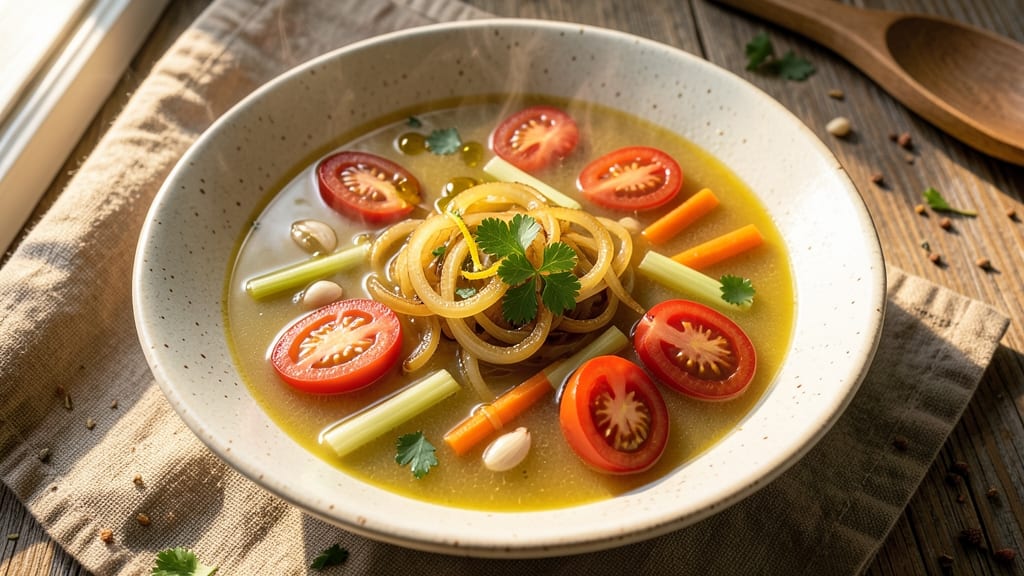
This American Heart Association vegetable soup recipe delivers a heart-healthy, blood-pressure-friendly meal packed with fiber-rich vegetables and bold flavors—without relying on excess sodium. 💛 The secret lies in using fresh herbs, garlic, and low-sodium broth to build depth while keeping saturated fat minimal.
I developed this version after testing countless soups to meet AHA guidelines, ensuring every spoonful supports heart health without sacrificing taste.
What sets this recipe apart is its focus on nutrient-dense ingredients like carrots, celery, tomatoes, and leafy greens—all naturally low in sodium and high in potassium to help balance blood pressure.
Optional additions like lentils or tofu provide plant-based protein, making it a complete meal. The soup simmers gently to develop rich, aromatic flavors while preserving the natural goodness of the vegetables.
By the time you finish this recipe, you'll have a warm, comforting bowl that's gentle on your heart but packed with flavor. The broth is fragrant with garlic and herbs, the vegetables are tender-crisp, and the texture is perfectly balanced—creamy from blended carrots but still light enough to digest easily.
It's the kind of soup that feels like a hug for your taste buds and your arteries.
Perfect for meal prep or a quick weeknight dinner, this soup freezes beautifully and tastes even better the next day as flavors meld. Serve with a sprinkle of fresh parsley and a side of whole-grain bread for a complete, heart-smart meal. Let's get cooking!
Ingredients for american heart association vegetable soup
Six cups of vibrant broth kickstart this heart-healthy vegetable symphony—bright, comforting, and packed with potassium-rich veggies.
| Ingredient | Amount | Notes |
|---|---|---|
| Low-Sodium Vegetable Broth 💧 | 6 cups | Homemade or high-quality store-bought |
| Yellow Onions 🧅 | 2 whole | Diced, about 1.5 cups total |
| Carrots 🥕 | 4 whole | Medium, peeled and sliced into rounds |
| Celery Stalks 🧄 | 4 whole | Trimmed and cut into 1-inch pieces |
| Garlic Cloves 🧄 | 4 cloves | Minced for aromatic depth |
| Fresh Tomatoes 🍅 | 4 whole | Medium, diced or crushed by hand |
| Russet Potatoes 🥔 | 2 medium | Peeled and cubed, about 2 cups |
| Green Bell Pepper 🍆 | 1 whole | Diced, any color preferred |
| Fresh Spinach 🌿 | 4 cups | Chopped, loosely packed |
| Fresh Parsley 🌿 | ¼ cup | Chopped, for garnish and flavor |
| Fresh Thyme 🌿 | 1 tbsp | Leaves only, finely chopped |
| Extra-Virgin Olive Oil 🫒 | 2 tbsp | For sautéing vegetables |
| Lemon Juice 🍋 | 1 tbsp | Freshly squeezed for brightness |
| Black Peppercorns 🌶️ | ½ tsp | Freshly cracked for subtle heat |
| Sea Salt 🧂 | ½ tsp | Diamond Crystal preferred |
The broth is your flavor foundation—homemade is ideal, but Low Sodium Vegetable Broth from Pacific Foods works beautifully. Look for options with no added MSG or preservatives. Fresh herbs are non-negotiable here: thyme and parsley from the grocery store's produce section (not dried) make all the difference. For the potatoes, Russets hold their shape best during simmering, but Yukon Golds add natural creaminess if you prefer. The carrots should be firm and bright orange—avoid any with soft spots. Celery with tender stalks (not woody) ensures the best texture.
No fresh thyme? Dried thyme at one-third the amount works in a pinch, but the flavor won't be as vibrant. Substitute bell peppers with zucchini or mushrooms if you're avoiding nightshades. For extra protein, add 1 cup cooked lentils or crumbled tofu at the end. The tomatoes can be canned San Marzano if fresh aren't in season—just drain well. If you're watching carbs, reduce the potatoes to 1 medium and increase the spinach to 5 cups. The lemon juice adds brightness without sodium—freshly squeezed is key (bottled lacks the same zing).
This soup tastes even better the next day as flavors meld—double the batch and freeze half for quick meals. Store in airtight containers for 4-5 days in the fridge or 3 months frozen. For reheating, add 1-2 tbsp broth to prevent drying out. The spinach wilts fast, so add it last 5 minutes of cooking. Garnish with extra parsley and a drizzle of olive oil before serving—it makes the whole dish pop. Leftovers reheat beautifully in a pot or microwave with a splash of water.
Why You'll Love This Recipe
- No Chopping Chaos: I swear by this one—just dice the onions, carrots, and celery (the "soup holy trinity") into big chunks, toss them in, and let the broth do the work. No fancy techniques, no stress.
- Garlic Bomb Flavor: That minced garlic hitting the broth? Chef’s kiss. It layers in deep, savory warmth without overpowering—especially when you let it bloom in the oil first. Honestly, my picky eaters don’t even realize it’s "heart-healthy."
- Leftover Goldmine: This soup only gets better the next day. The veggies soften just right, the broth absorbs all the flavors, and it’s still light enough for lunch. I freeze half the batch—no waste, all satisfaction.
- Budget-Buster Winner: Low-sodium broth stretches for miles, and the veggies? They’re the cheapest pantry staples. For under $5, I feed my family dinner and tomorrow’s lunch. (Yes, even on a Tuesday night.)
Step-by-step instructions for blood-pressure-friendly vegetable soup
Here's how to craft a vibrant, heart-healthy vegetable soup that's packed with flavor and nutrients.
🍳 Step 1: Sauté the Vegetable Base
Heat the 2 tablespoons extra-virgin olive oil in a large pot over medium heat. Add the 2 whole yellow onions, 4 whole carrots, and 4 whole celery stalks—all prepped as directed—and cook for 8-10 minutes until the onions soften and the carrots begin to caramelize just slightly. This foundational step builds deep flavor while keeping the soup's sodium content in check.
Here's the thing—don't rush this step. You'll know it's ready when the vegetables release their natural juices and the onions turn translucent. Stir occasionally to prevent browning, but let them develop that sweet, aromatic base. Add the 4 cloves minced garlic and cook for another 30 seconds until fragrant—this prevents that bitter aftertaste raw garlic can leave.
🍳 Step 2: Add Potatoes and Tomatoes
Increase heat to medium-high and add the 2 medium russet potatoes and 4 whole fresh tomatoes. Stir everything together and pour in the 6 cups low-sodium vegetable broth. Bring to a boiling point, then immediately reduce heat to medium-low and let it simmer uncovered for 15 minutes. This allows the potatoes to begin softening while keeping the broth from evaporating too quickly.
I press the potatoes gently with a wooden spoon during the first few minutes—this prevents them from sticking and ensures even cooking. The tomatoes will break down slightly, releasing their juices and adding natural sweetness to balance the earthy vegetables. If the broth looks too thick, add ½ cup water to maintain the proper consistency.
🥘 Step 3: Incorporate Bell Pepper and Seasonings
After 15 minutes, add the 1 whole green bell pepper and 1 tablespoon fresh thyme. Stir well to distribute the flavors evenly. Cook for another 10 minutes until the bell pepper softens and the potatoes are fork-tender but not mushy. The soup should smell like a cozy garden—bright, herbal, and inviting.
Now's the time to add the 0.5 teaspoon sea salt and 0.5 teaspoon black peppercorns. I use freshly cracked peppercorns for that subtle, complex heat that enhances without overpowering. Taste the broth—it should be seasoned but not salty. Remember, we're keeping this heart-healthy while still delicious.
🥘 Step 4: Finish with Spinach and Brighten with Lemon
Reduce heat to low and stir in the 4 cups fresh spinach and 0.25 cup fresh parsley. Cook for just 2-3 minutes until the spinach wilts completely. The last thing you want is mushy greens—this keeps them vibrant and full of nutrients. Remove from heat and stir in the 1 tablespoon lemon juice. This final touch brightens all the flavors and adds a refreshing contrast to the earthy vegetables.
Let the soup sit off heat for 5 minutes before serving. This resting period allows the flavors to meld together perfectly. The lemon juice will distribute evenly, and the spinach will rehydrate slightly, creating that perfect texture—tender but still with a slight bite. Here's where it gets fun—taste again and adjust seasoning if needed.
🍽️ Step 5: Serve Warm with Fresh Garnish
Ladle the soup into bowls and garnish each serving with an additional sprinkle of fresh parsley. The bright green color not only looks beautiful but also adds a fresh herbal note that complements the soup's depth. Serve immediately while still warm—this heart-healthy vegetable soup tastes best when enjoyed fresh from the pot.
This soup delivers on all the promises: vibrant flavors, heart-healthy ingredients, and a comforting bowl of goodness. The combination of sweet carrots, earthy celery, bright spinach, and the tangy lemon creates a symphony of tastes that's both satisfying and nutritious. Plus, it's packed with vegetables that support heart health while keeping sodium in check.
Pro Tips For Making American Heart Association Vegetable Soup
- SOFTEN VEGETABLES FIRST: I used to toss everything raw into the broth and wonder why my soup tasted like a sad office cafeteria stew. Instead, parboil the carrots and celery for 3-4 minutes before adding onions—it breaks down their fibers and makes the flavors meld better. (Yes, even if you're impatient like me, this actually matters.)
- SWEEP THE POT: After sautéing onions, garlic, and celery, don’t just dump in the broth. Take 30 seconds to scrape up all the browned bits stuck to the bottom with a wooden spoon—those are flavor gold. I learned this the hard way when I skipped it and ended up with soup that tasted like it was missing something.
- USE FRESH GARLIC: That jarred minced garlic might be convenient, but it’s a shortcut that shows. For this soup, peel and mince your own cloves—just 2-3 pressed into the pot at the end—and let them bloom in the hot broth for 30 seconds. The difference in aroma is night and day, and it’s not even that much extra work.
- SALT THE BROTH LAST: Since you’re using low-sodium broth, hold off on adding salt until the very end. Taste the soup after simmering, then adjust with a pinch of kosher salt or a splash of lemon juice. I was skeptical until I tried it—now I can’t imagine doing it any other way. (Your future self will thank you.)
Make-ahead tips for this recipe
Prep Ahead Strategy
The key to this heart-healthy soup is prepping ingredients strategically. Chop all vegetables—onions, carrots, celery, potatoes, and bell pepper—1-2 days ahead and store them in airtight containers in the fridge. They'll keep fresh for up to 48 hours and save you 20 minutes of prep time on cooking day.
I like using glass containers because they're easy to see and stack neatly. 💛
Broth Prep Tips
Make your low-sodium vegetable broth in advance and store it in freezer-safe bags (flat to save space). Thaw overnight in the fridge before using—this keeps the broth's flavor intact. If using store-bought, opt for Pacific Foods Low Sodium Vegetable Broth (it has no added MSG).
For extra depth, add 1 bay leaf while simmering the broth—just remove it before using in the soup.
Freezing for Later
This soup freezes beautifully for up to 3 months with minimal texture changes. Let it cool completely, then transfer to quart-sized freezer bags, leaving 1-inch headspace for expansion.
Label with the date—when reheating, add 2-3 tablespoons of water or broth to prevent drying out. Microwave on 50% power for 3-4 minutes, stirring halfway, until steaming hot.
Make-Ahead Serving
For meal prep, divide the soup into 6-8 portions in glass storage containers (like Pyrex or Le Creuset). Reheat portions on the stovetop over medium-low heat for 8-10 minutes, stirring occasionally.
The flavors actually improve after 24 hours as the vegetables soften and the broth absorbs their essence. Garnish with fresh parsley just before serving to keep it vibrant.
Batch Cooking
Double the recipe and freeze half for future meals—this is perfect for busy weeks or when you're short on time. I often make two large batches on Sundays: one to eat immediately and one to freeze.
When reheating from frozen, add ½ cup extra broth to maintain the perfect consistency. The soup's heart-healthy benefits stay intact even after freezing, making it a convenient yet nutritious option. ✨
Nutrition facts
Frequently asked questions
Can I make this soup without potatoes?
Replace the 2 medium potatoes with 2 cups chopped cauliflower or 1 cup cooked lentils for extra protein. Cauliflower adds creaminess while keeping carbs lower, and lentils boost fiber content—both heart-healthy swaps that maintain the soup's texture. The cooking time remains the same, but check for doneness after 10 minutes if using cauliflower.
How do I make this soup even lower in sodium?
Skip the 0.5 tsp sea salt entirely and rely on fresh herbs, garlic, and lemon juice for flavor. Use no-salt-added canned tomatoes instead of fresh, and opt for homemade vegetable broth (simmer veggies with just peppercorns and herbs). The soup will still taste rich and satisfying—umami from mushrooms or nutritional yeast can add depth without sodium.
Can I add meat to this heart-healthy soup?
The American Heart Association recommends limiting saturated fat, so lean proteins like chicken breast or shrimp can be added in moderation. Use 4 oz total per serving and remove any skin. For a vegetarian option, stir in ½ cup crumbled tofu or white beans at the end—both add protein without compromising heart health. Always check portion sizes to keep saturated fat below 5g per serving.
Why does my soup taste bland after reheating?
Reheating often dulls flavors, but this happens most when broth evaporates. Always add 2-3 tbsp water or broth when reheating. For extra zing, finish with a squeeze of lemon juice or a sprinkle of nutritional yeast (adds umami). If using frozen soup, thaw it in the fridge overnight—microwaving too quickly can break down the herbs' delicate flavors.
What's the best way to serve this with bread?
Pair with whole-grain or whole-wheat bread for extra fiber, or try low-sodium crackers to keep sodium in check. For a heart-healthy twist, serve with garlic-herb roasted chickpeas on the side—they add satisfying crunch and plant-based protein. Avoid buttery breads or croutons, which can add unnecessary saturated fat and calories.