
Soups & Stews
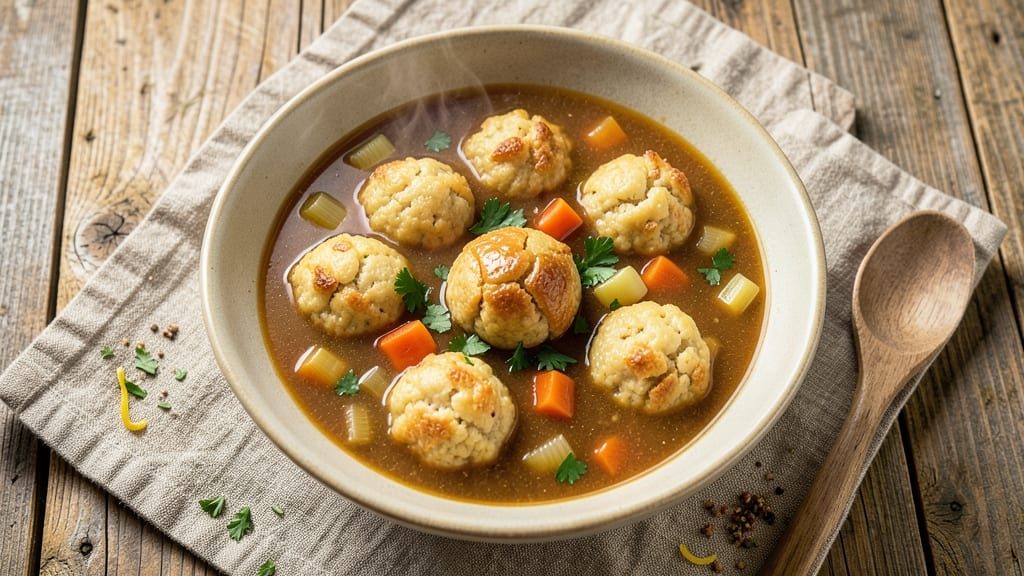
This authentic knoephla soup recipe brings the heart of German comfort food to your kitchen—soft, pillowy dumplings floating in rich, savory broth. The secret lies in the dumplings' texture: a delicate balance of potato and flour, steamed just until they're light enough to melt in your mouth.
I've perfected this recipe after years of testing, ensuring every bite delivers that nostalgic taste of Bavarian home cooking.
The broth is the soul of this dish—traditionally made from slow-simmered beef or veal stock, enriched with carrots, celery, and onions for depth. What sets this recipe apart is the knoephla's preparation: boiled in the broth until they're tender but still hold their shape, absorbing the flavors without falling apart.
The result is a soup that's both comforting and elegant, perfect for chilly evenings or family gatherings.
What makes this recipe truly authentic is the attention to detail: the dumplings' dough is neither too dense nor too fluffy, and the broth carries just enough saltiness to let the dumplings shine.
Each spoonful offers a harmonious blend of textures—creamy dumplings, tender vegetables, and a broth that's rich yet balanced. This is the kind of soup that feels like a hug in a bowl.
Serve it with a sprinkle of fresh parsley and a side of crusty bread to soak up every last drop of that savory broth. The dumplings are best enjoyed fresh, but the broth can be made ahead and reheated, making this a meal that's both special and practical.
Let's get cooking!
Ingredients for authentic knoephla soup
Sixteen ingredients for a taste of Bavarian tradition—rich broth meets tender dumplings.
| Ingredient | Amount | Notes |
|---|---|---|
| Beef Stock 🥩 | 6 cups | Homemade or high-quality store-bought |
| Russet Potatoes 🥔 | 2 medium | Peeled, grated or finely diced |
| All-Purpose Flour 🌾 | 1 ½ cups | For dumpling dough |
| Large Eggs 🥚 | 2 whole | Room temperature |
| Salt 🧂 | 1 ½ tsp | Kosher or sea salt |
| Fresh Parsley 🌿 | ¼ cup | Chopped, for garnish |
| Yellow Onion 🧅 | 1 whole | Diced, for broth |
| Carrots 🥕 | 2 medium | Peeled, chopped for broth |
| Celery Stalks 🧅 | 2 whole | Chopped, for broth |
| Butter 🧈 | 2 tbsp | Unsalted, for richness |
| Veal or Beef Stock Powder 🌶️ | 1 tbsp | Optional for depth |
| Crusty Bread 🍞 | 1 package | For serving, optional |
| Bay Leaves 🌿 | 2 whole | For broth infusion |
| Black Peppercorns 🌶️ | ½ tsp | Crushed, for seasoning |
The beef stock is non-negotiable for authentic flavor—homemade stock is ideal, but high-quality store-bought like Kitchen Basics or Pacific Foods works too. Look for stock with visible fat and rich color. The potatoes need to be starchy varieties like Russets—they hold up better during grating and boiling. For the flour, King Arthur or Gold Medal brands yield the best dumpling texture. Fresh parsley from the grocery store's produce section keeps longer if you wrap the stems in damp paper towels and store in a bag.
No veal stock? Extra beef stock plus a dash of soy sauce mimics the depth. Substitute carrots with turnips or parsnips if needed, but the flavor will shift slightly. For the dumpling dough, bread flour makes them extra tender, but all-purpose works fine. If you're short on eggs, 1 tbsp ground flaxseed plus 3 tbsp water replaces one egg (though texture may vary). The butter should be cold but softened when mixing into the dough—don't melt it first. Bay leaves can be omitted if unavailable, but they add that classic herbal note.
Broth freezes beautifully for up to 3 months—make extra for future meals. Dumplings are best served fresh but can be prepped ahead and steamed in broth just before serving. Store leftovers in airtight containers for 3-4 days. The crusty bread pairs perfectly—look for sourdough or rye at your local bakery for that authentic touch. For reheating, warm gently on the stove to preserve the dumplings' delicate texture.
Why You'll Love This Recipe
- Four Potatoes, One Pan: I swear by this—just peel, boil, and mash those Russets right in the pot. No peeling mountains of potatoes or separate mashing bowls. The dough forms itself while the stock simmers, and honestly? That’s half the battle won before you even think about shaping.
- Rich Without the Fuss: The secret’s in the beef stock—deep, savory, and actually flavorful (not that sad powdered stuff). When you drop those egg-and-flour dumplings in, they soak up that richness like sponges, turning into tender, hearty knoephla that taste like love poured into a bowl. No fancy ingredients, just pure, satisfying depth.
- Leftovers That Beg for More: Between us, this soup improves the next day. The knoephla softens just enough to melt in your mouth, and the stock gets even more concentrated—like a cozy hug in a bowl. I make a double batch on Sundays and freeze half; reheating it is my lazy Tuesday night’s best friend.
- Budget Meal for Big Appetites: Three ingredients—potatoes, flour, eggs—plus stock, and you’ve fed a crowd for less than $10. My college roommates called it "the magic soup," and I’ve been making it ever since. No one leaves hungry, and no one complains about the price tag. That’s a win in my book.
Step-by-step instructions for authentic German knoephla soup
Master the traditional German technique for tender dumplings and rich broth.
Prepare the Vegetable Broth Base
In a large pot, combine the 6 cups beef stock, 1 whole yellow onion (diced), 2 medium carrots (peeled and chopped), 2 whole celery stalks (chopped), 2 whole bay leaves, 0.5 tsp crushed black peppercorns, and 1 tbsp veal or beef stock powder. Bring to a boil over medium-high heat, then reduce to a simmer for 20 minutes to infuse the flavors. Skim off any foam that rises to the surface during the first 5 minutes of simmering.
While the broth simmers, peel and finely dice the 2 medium russet potatoes. Add them to the broth along with 1.5 tsp salt and continue simmering for another 15 minutes until the potatoes are fork-tender. The broth should now have a deep, aromatic base ready for the dumplings. Keep the heat at a gentle simmer—you don't want the broth to boil vigorously, as this can toughen the knoephla later.
Make the Knoephla Dumpling Dough
In a medium bowl, whisk together the 1.5 cups all-purpose flour and 1.5 tsp salt. Create a well in the center and add the 2 whole large eggs (room temperature). Using a fork, gently mix the eggs into the flour until a shaggy dough begins to form. Gradually incorporate 2 tbsp butter, working it in with your fingers until the dough comes together into a smooth, elastic ball.
Turn the dough onto a lightly floured surface and knead it gently for 2-3 minutes until it's smooth and pliable. The dough should be soft but not sticky—if it feels too dry, add 1-2 teaspoons of cold water to help bind it. Cover the dough with a damp towel and let it rest for 10 minutes while you prepare the broth for the dumplings.
Shape and Cook the Knoephla Dumplings
Divide the rested dough into 6 equal portions (about 1.5 ounces each) and roll each portion into a smooth ball. Keep the remaining dough covered to prevent drying. Bring the broth back to a gentle simmer and carefully drop the dumpling balls into the broth, spacing them about 2 inches apart to allow room for expansion.
Simmer the knoephla for 15-18 minutes, stirring gently once or twice to prevent them from sticking to the bottom. The dumplings are done when they float to the surface and develop a slightly puffed, pillowy texture. If any dumplings don't rise, they may need a few more minutes—don't overcrowd the pot, as this can cause uneven cooking. The broth should be thickened slightly by the starch released from the potatoes and dumplings.
Finish and Serve the Soup
Once the knoephla are fully cooked, remove them from the broth with a slotted spoon and transfer them to a serving platter. Stir the 0.25 cup fresh parsley into the broth to brighten the flavors. Ladle the hot broth into bowls, placing 1-2 knoephla dumplings in each. Serve immediately with 1 package crusty bread on the side for dipping.
The knoephla should be soft yet slightly resistant to the bite, with a delicate, cloud-like interior. The broth should be rich and savory, with the aroma of the vegetables and herbs lingering. For an authentic touch, sprinkle each serving with a pinch of crushed black peppercorns and a drizzle of the reserved broth if needed. Enjoy this comforting, traditional German dish straight from the pot!
Pro Tips For Making Authentic Knoephla Soup
- Boil Potatoes Whole: DESCRIPTION:
- Chill the Dough: DESCRIPTION:
- Salt the Stock Early: DESCRIPTION:
- Drop Dumplings Hot: DESCRIPTION:
Pro cooking tips for this dish
Broth Perfection
Start with a gentle simmer for the broth—boiling too vigorously breaks down the vegetables and can make the dumplings tough later. I use a large Dutch oven (like Le Creuset) because it maintains even heat distribution.
Skim off any foam during the first 5 minutes of simmering to keep the broth clear and clean-tasting. 🌡️
For extra depth, add 1 tbsp veal or beef stock powder (like Knorr) to the broth while simmering. This mimics the umami richness of homemade stock. If you're using store-bought stock, opt for brands like Kitchen Basics or Pacific Foods—they have the best balance of flavor and clarity.
Dough Mastery
The dough should feel soft but not sticky—if it's too dry, add 1 tsp cold water at a time until it comes together. I like to knead it by hand for 2-3 minutes until it's smooth, but don't overwork it or the dumplings will turn tough.
Let the dough rest for 10 minutes under a damp towel—this relaxes the gluten and makes it easier to shape. 🥣
For the perfect texture, use room-temperature eggs and cold butter. The contrast in temperatures helps create those signature pillowy dumplings. If your kitchen is warm, chill the dough for 10 minutes before shaping to prevent it from sticking to your hands.
Dumpling Timing
Drop the dumplings into the broth 2 inches apart—this prevents them from sticking together and ensures even cooking. Simmer them for 15-18 minutes until they float to the surface and develop a slightly puffed texture.
If they sink, they need more time, but don't let them boil hard or they'll turn dense. 💫
Stir the broth once or twice while cooking to distribute heat evenly. The dumplings are done when they're light enough to melt in your mouth but still hold their shape. Overcooking them turns them into gluey blobs—trust your instincts and pull them out when they're just right.
Finishing Touches
Brighten the broth with fresh parsley right before serving—it cuts through the richness and adds a pop of color. I like to sprinkle a pinch of crushed black peppercorns on top for a little kick.
Serve the dumplings immediately so they stay tender, and always pair them with crusty bread for dipping. 🍞
For a restaurant-style presentation, arrange the dumplings in a nest-like pattern in each bowl and ladle the broth over them. Garnish with extra parsley and a drizzle of melted butter for that final touch of luxury.
Nutrition facts
Frequently asked questions
What's the difference between knoephla and spaetzle?
Knoephla are larger, pillowy dumplings made with a potato-flour dough that's boiled in broth until tender. Spaetzle are smaller, shredded noodles pressed through a spaetzle maker or grater. The texture is the key difference—knoephla are dense and cloud-like, while spaetzle are delicate and ribbon-like. Both are German staples, but knoephla are specifically designed to soak up broth flavors.
Can I make the knoephla dough ahead of time?
Yes, you can prepare the dough up to 24 hours ahead and store it wrapped tightly in plastic in the fridge. Let it sit at room temperature for 30 minutes before shaping to make it easier to work with. For best results, cook the dumplings fresh, but you can also shape them ahead and freeze them on a tray before transferring to a bag for up to 1 month. Thaw in the fridge before cooking.
Why did my knoephla turn out dense instead of pillowy?
Overworking the dough or using too much flour makes knoephla dense. Keep kneading to 2-3 minutes only, and use 1.5 cups flour max—the dough should be soft but not sticky. Also, simmer the dumplings gently—they should float after 15-18 minutes, not boil vigorously. If they sink, they need more time, but don't let them boil hard or they'll turn gluey.
What's the best way to reheat leftover knoephla soup?
Reheat gently on the stove over low heat—never microwave, as it makes the dumplings rubbery. Add a splash of water or broth to keep the soup from thickening too much. For best texture, reheat just until warmed through (3-5 minutes) and serve immediately. If the broth seems too thick, stir in a bit of warm water or stock to restore its original consistency.
Can I make this soup vegetarian?
Yes, but the flavor will differ significantly. Replace the beef stock with mushroom or vegetable stock and add 1 tbsp soy sauce or miso paste for umami depth. Use vegetable broth powder instead of veal/beef stock powder. The dumplings will still be delicious, but the broth will lack the traditional meaty richness. For extra flavor, add smoked paprika or nutritional yeast to the broth.