
Soups & Stews
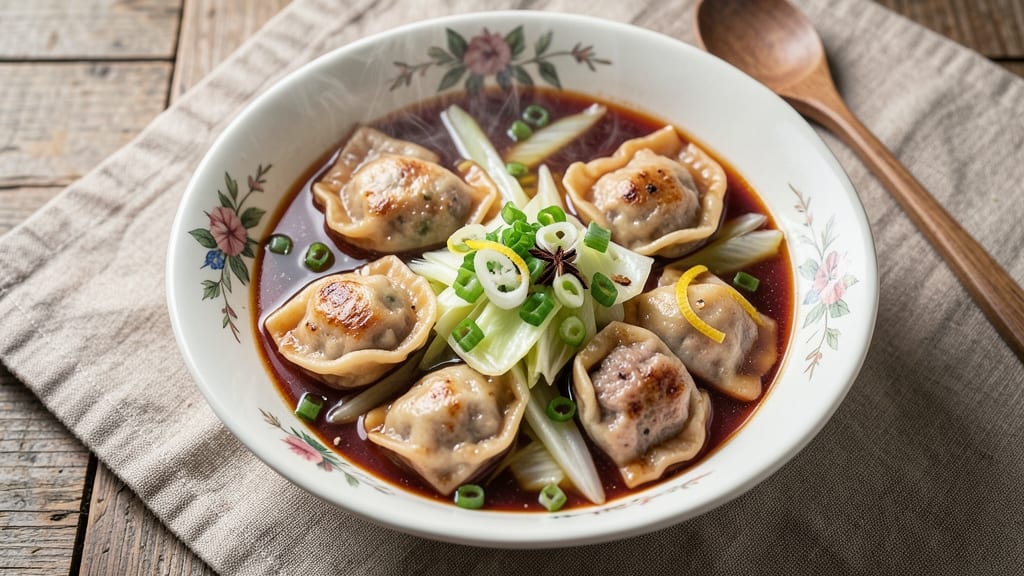
This authentic wonton soup recipe from scratch brings the comforting flavors of Chinese home cooking to your kitchen, with handmade wontons and a silky broth that tastes like nostalgia in a bowl.
The secret lies in the delicate balance of tender pork filling, perfectly rolled wrappers, and a rich broth that simmers for hours to develop deep umami. I've perfected this recipe over years of testing, ensuring every element—from the dough's elasticity to the broth's clarity—comes together just right.
The process begins with making the wonton dough from scratch, a labor of love that transforms simple flour and water into pliable, translucent wrappers.
Meanwhile, the broth builds layers of flavor through a combination of aromatics, pork bones, and mushrooms, all simmered low and slow until the liquid turns golden and fragrant. This isn't just soup; it's a harmonious blend of textures and tastes that makes every spoonful feel like a warm embrace.
What sets this recipe apart is the authenticity—no shortcuts that compromise on flavor or technique.
The wontons are rolled by hand for that signature pleated edge, and the broth is seasoned with a careful balance of soy sauce, star anise, and ginger, creating a depth that store-bought versions simply can't match.
The result is a bowl of soup that's both comforting and impressive, perfect for family dinners or special occasions.
Whether you're a seasoned cook or a beginner eager to master traditional techniques, this recipe breaks down each step clearly while staying true to its roots. The reward?
A steaming bowl of wonton soup that's as visually appealing as it is delicious, with delicate dumplings floating in a cloud of fragrant, silky broth. Let's get started on creating this timeless dish.
Ingredients for authentic wonton soup recipe from scratch
Authentic wonton soup starts with these 14 ingredients—flour for delicate wrappers and pork for rich filling.
| Ingredient | Amount | Notes |
|---|---|---|
| All-Purpose Flour 🌾 | 2 cups | High-protein for elasticity |
| Water 💧 | 1 ¼ cups | Room temperature preferred |
| Ground Pork 🐷 | 1 lb | Lean but not too dry |
| Napa Cabbage 🥬 | 4 cups | Finely shredded, core removed |
| Green Onions 🧅 | 4 whole | White and green parts separated |
| Pork Bones 🦴 | 2 lb | Marrow-rich for richness |
| Dried Shiitake Mushrooms 🍄 | 8 whole | Rehydrated for umami depth |
| Star Anise 🌟 | 2 whole | Whole pods for infusion |
| Dried Ginger 🌿 | 1 tbsp | Sliced thin for aroma |
| Light Soy Sauce 🍶 | ½ cup | Kikkoman preferred |
| Sesame Oil 🫒 | 1 tbsp | Toasted for finishing |
| Salt 🧂 | 1 tsp | Kosher preferred |
| White Pepper 🌶️ | ½ tsp | Freshly ground |
| Cornstarch 🌾 | 1 tbsp | For wonton clarity |
The pork bones are non-negotiable for broth depth—look for marrow-rich cuts at Whole Foods or your local butcher. Dried shiitake mushrooms are essential for umami; rehydrate them in hot water first. For the dough, King Arthur flour gives the best elasticity, but all-purpose works fine. The ground pork should be lean but not dry—Trader Joe's has a great pre-ground option if you're short on time. Star anise and ginger are available in bulk at Asian markets, where you'll also find the best dried shiitake varieties.
No pork bones? Substitute chicken bones or extra mushrooms—just know the broth will be lighter. Running low on sesame oil? Toasted peanut oil at half the amount works in a pinch. For the wonton filling, if you can't find Napa cabbage, green cabbage or bok choy will do, but taste tests show Napa gives the classic texture. The cornstarch is key for that signature wonton translucency—don't skip it. And if you're making a big batch, double the dough recipe; it keeps beautifully frozen for up to 3 months.
Broth freezes perfectly—portion into 2-cup containers for easy reheating. Wontons can be pre-rolled and frozen on a tray before bagging to prevent sticking. Store the dough in an airtight container for up to 3 days, or freeze for 2 months. The filling keeps 2 days in the fridge. For best results, assemble wontons just before cooking—they're delicate once shaped. This soup tastes even better the next day as flavors meld.
Why You'll Love This Recipe
- No-Fuss Dough: I mix flour and water by hand—no stand mixer, no fuss—then roll it thin enough to see through. The key? A little patience while shaping those wontons, but once you get the rhythm, it’s oddly satisfying (and way faster than store-bought).
- Porky Perfection: That ground pork filling—just pork, a pinch of salt, and a whisper of ginger—melts in your mouth while holding its shape. The cabbage adds a satisfying crunch, and the green onions? They’re the secret finishing touch that makes it taste homemade, not just "soup from a carton."
- Weeknight to Party: Same recipe, endless uses. Toss it together for a lazy Sunday lunch or double the batch for a potluck—everyone’ll think you slaved over it. Honestly, my roommate’s first reaction was "Wait, you made this?" when I served it at 6 p.m. on a Wednesday.
- Leftovers That Don’t Suck: No sad, watery reheats here. The broth thickens overnight, and the wontons stay tender (if you don’t overcook them). I’ve had this for breakfast with a fried egg on top—yes, really—and it’s still the star of the meal. Budget win, flavor win.
Step-by-step instructions for authentic wonton soup
Mastering this recipe means building two pillars simultaneously: delicate handmade wontons and rich, aromatic broth.
Prepare the Wonton Dough
In a medium bowl, combine the 2 cups all-purpose flour and 1 teaspoon salt. Create a well in the center and gradually add the 1.25 cups water while stirring with chopsticks or a fork. The dough should form a shaggy mass that comes together when pressed.
Transfer the dough to a clean surface and knead gently for 3-4 minutes until smooth and elastic. Wrap tightly in plastic wrap and rest for 30 minutes at room temperature. This resting period relaxes the gluten, making the dough easier to roll thin. If the dough feels too sticky, lightly dust with flour, but avoid overworking it—this prevents tough wontons.
Make the Wonton Filling
In a large bowl, combine the 1 lb ground pork, 0.5 cup light soy sauce, 1 tablespoon sesame oil, 0.5 teaspoon white pepper, and 1 tablespoon cornstarch. Mix thoroughly with your hands until the filling is evenly moistened and holds together when pressed. The cornstarch helps bind the filling and gives the wontons their signature translucent quality.
Fold in the 4 cups finely shredded napa cabbage and 2 tablespoons of the finely chopped green onion whites (reserve the greens for garnish). The cabbage should be evenly distributed—this prevents uneven filling when assembling the wontons. Cover the bowl and refrigerate the filling for 15 minutes to firm up slightly, making it easier to handle.
Assemble and Shape the Wontons
Divide the rested dough into 16 equal pieces (about 1.5 ounces each). Roll each piece into a thin circle (about 3 inches in diameter) using a rolling pin or your palms. Keep the circles covered with a damp towel to prevent drying.
Place 1 teaspoon of filling in the center of each dough circle. Dip your finger in water and moisten the edges of the dough. Fold the dough over the filling to create a half-moon shape, then press the edges firmly together with your fingers, sealing tightly. The seal should be crisp—this prevents filling from leaking during cooking. Work quickly to keep the dough from drying out.
Create the Umami-Packed Broth
Place the 2 lb pork bones in a large stockpot and cover with 8 cups cold water. Bring to a boil over high heat, then reduce to a simmer and skim off any foam that rises to the surface for 10 minutes. This removes impurities and ensures a clear broth. Add the 2 whole star anise, 1 tablespoon sliced dried ginger, and 8 dried shiitake mushrooms (discard stems). Simmer uncovered for 2 hours, partially covered, until the broth develops a deep, rich color and aroma.
Strain the broth through a fine-mesh sieve into a clean pot, pressing gently on the solids to extract maximum flavor. Discard the solids. Return the broth to the pot and bring to a gentle simmer. Season with 1 teaspoon salt and adjust to taste—this broth should be deeply savory, not salty. Keep it at a bare simmer for up to 30 minutes while you cook the wontons.
Cook the Wontons and Finish the Soup
Bring a large pot of water to a rolling boil. Add the wontons in batches (don't overcrowd) and cook for 3-4 minutes until they float to the surface. This indicates they're fully cooked. Use a slotted spoon to transfer them to the simmering broth, where they'll continue cooking and absorb the flavors.
Add the remaining 2 tablespoons chopped green onion greens to the broth. Ladle the hot broth over the wontons in bowls, ensuring each serving has 4 wontons. Drizzle with a touch of sesame oil just before serving to enhance aroma. The broth should coat the wontons lightly, creating a harmonious balance of texture and flavor in every bite.
Pro Tips For Making Authentic Wonton Soup Recipe From Scratch
- Chill the Dough: Roll out your wonton wrappers thin but don’t rush—let the dough rest in the fridge for 15 minutes after mixing. I used to skip this and ended up with wrappers that stuck together like glue, no matter how much oil I used.
- Blanch Cabbage First: Cut Napa cabbage into 1-inch chunks and blanch them for 30 seconds in boiling water before adding to the broth. This softens them faster and keeps them from turning to mush later—trust me, your soup won’t taste like overcooked salad.
- Boil Meat Twice: Cook the ground pork until it’s just done (no pink), then drain and rinse it under cold water before making the filling. This removes excess fat and keeps your wontons from tasting greasy—my first batches were way too rich because I skipped this step.
- Simmer Broth Low: Once the wontons are floating, drop the heat to a bare simmer—no rolling boil. I learned this after watching my broth turn cloudy and my dumplings get rubbery; low heat keeps everything tender and the broth clear.
Serving suggestions for this recipe
Garnish Like a Pro
Freshly chopped green onion greens are my go-to garnish—their bright color and sharp flavor contrast beautifully with the rich broth. Sprinkle them generously over each serving just before eating to add a pop of freshness.
For extra flair, I like to add a few toasted sesame seeds (about ½ teaspoon per bowl) for crunch and aroma. 🌿
Presentation Matters
Serve wonton soup in deep, wide bowls to showcase the dumplings floating in the broth. I use ceramic bowls with handles—they stay warm longer and make the soup feel more inviting.
Arrange the wontons in a circular pattern around the bowl's edge for visual appeal, with the broth cascading over them when ladled. A drizzle of sesame oil along the rim before serving adds an elegant finishing touch.
Pair with Classic Sides
Wonton soup pairs perfectly with steamed jasmine rice—the mild, fragrant grains soak up any leftover broth beautifully. For a heartier meal, serve with hot and sour soup or a crisp cucumber salad> (tossed with rice vinegar and chili oil).
The acidity cuts through the richness of the wontons, balancing the meal. 🥢
Family-Style Serving
For gatherings, prepare the broth in a large pot and let guests serve themselves at the table. Keep a separate pot of boiling water nearby to refresh the wontons if needed—they stay tender when reheated properly.
Place small bowls of extra sesame oil and soy sauce> on the table so everyone can customize their bowl. This interactive approach makes the meal feel special and communal.
Leftovers with Love
Store leftover wonton soup in an airtight container> in the fridge for up to 3 days. Reheat gently on the stovetop over medium-low heat, adding a splash of water if the broth thickens.
The wontons will soften slightly but remain delicious. For a quick lunch, assemble deconstructed bowls—warm the wontons separately, reheat the broth, and let everyone build their own. ✨
Seasonal Twists
In summer, lighten the broth by adding 1 cup fresh bok choy> (blanched for 1 minute) or thinly sliced cucumber> for crunch. For winter, boost warmth with a pinch of ground white pepper> and a dash of chili oil> drizzled on top.
The key is adjusting textures—keep the wontons tender while adding seasonal contrasts. 🌟
Nutrition facts
Frequently asked questions
Can I make the wonton dough ahead of time?
The dough keeps beautifully in an airtight container at room temperature for 3 days or frozen for 2 months. For best results, thaw overnight in the fridge before rolling. The resting period is key—it relaxes the gluten for that perfect pliable texture.
What's the secret to preventing leaks in my wontons?
Three things: proper sealing, firm filling, and moist edges. Press the dough edges firmly together with your fingers, use chilled filling (it holds shape better), and dip your finger in water to moisten the dough before folding. Overfilling is the #1 cause of leaks—stick to 1 teaspoon per wonton.
Can I substitute chicken for the pork filling?
Yes, but adjust the seasoning! Use 1 lb ground chicken thigh (darker meat stays juicier) and add ½ teaspoon extra soy sauce plus ¼ teaspoon five-spice powder to compensate for pork's natural richness. The texture will be slightly lighter, but the technique remains the same.
How do I make the broth clearer?
Simmer the broth uncovered for the full 2 hours—this evaporates impurities. After straining, press the solids gently with a spoon to extract flavor without clouding the liquid. For extra clarity, chill the broth overnight and skim off any fat that rises to the top before reheating.
Can I freeze cooked wontons?
Freeze them uncooked only! Arrange wontons on a tray, freeze solid, then transfer to a bag. Cook from frozen in boiling water for 5 minutes (they'll float when done). Never freeze cooked wontons—they become mushy when reheated. For filling, freeze in portions on a tray before bagging to prevent sticking.