
Soups & Stews
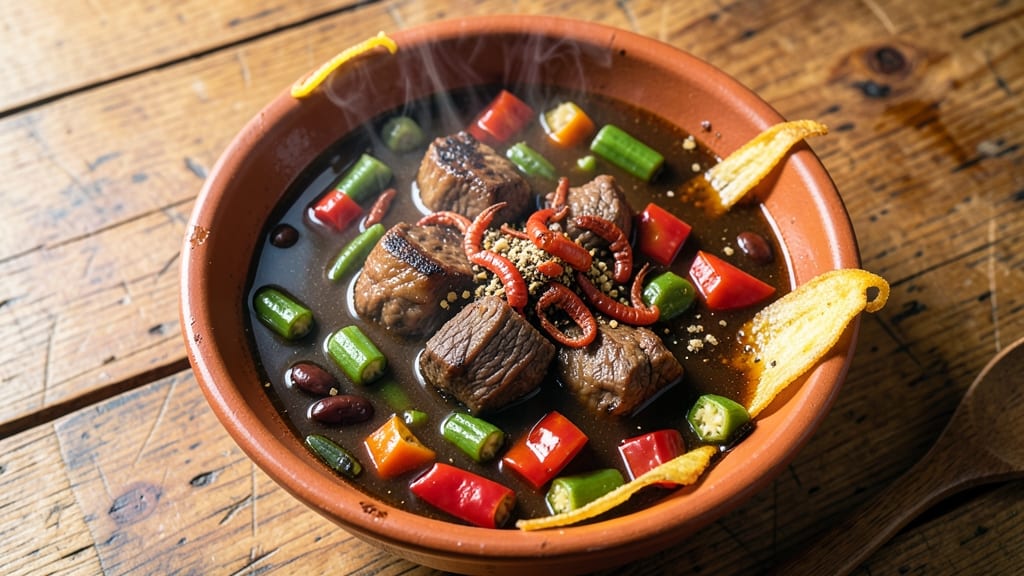
This Banga Soup Nigerian recipe delivers the bold, peppery comfort of West African cooking with every spoonful—where tender meat simmers in a velvety okra broth until it develops that signature depth.
The secret lies in slow-cooking the protein until it practically melts, then blending the okra into a glossy, slightly slimy velout that clings to every bite. I've perfected this version after years of testing, balancing heat, umami, and texture for a soup that feels both rustic and refined.
The broth starts with a rich base of beef or goat meat, simmered until fork-tender before blending fresh okra into a smooth, slightly viscous sauce. What sets this apart is the careful balance of peppers—just enough to add heat without overpowering the natural flavors of the meat and vegetables.
Traditional ingredients like crayfish, locust beans, and palm oil work together to create that unmistakable African soul in every bowl.
By the time you're done, you'll have a steaming pot of Banga Soup with tender meat pieces swimming in a glossy, peppery broth that's thick enough to coat a spoon.
The aroma alone will have everyone gathering around the table, and the first bite delivers that perfect combination of heat, richness, and umami that defines Nigerian comfort food. Serve it with pounded yam, eba, or fufu for the full experience.
The beauty of this recipe is its versatility—it's hearty enough for a family dinner but elegant enough for gatherings. The slow-cooked meat stays tender, the okra broth develops that signature body, and the traditional seasonings create layers of flavor that build with every spoonful.
Let's get cooking—this is the Banga Soup you'll want to make again and again.
Ingredients for banga soup nigerian
Bold flavors start with these 15 West African staples—where okra meets meat in peppery perfection.
| Ingredient | Amount | Notes |
|---|---|---|
| Beef Chuck Roast 🥩 | 2 lb | Cut into 1-inch cubes |
| Fresh Okra Pods 🌿 | 1 ½ lb | Trimmed, peeled if preferred |
| Dried Crayfish 🦐 | ½ cup | Shells included for flavor |
| Dried Locust Beans (Irru) 🌱 | ¼ cup | Soaked overnight, peeled |
| Red Bell Peppers 🌶️ | 3 whole | Seeds removed, chopped |
| Scotch Bonnet Peppers 🔥 | 2 whole | Adjust for heat preference |
| Palm Oil 🫒 | ½ cup | Red palm oil preferred |
| Fresh Tomatoes 🍅 | 4 whole | Ripe, chopped |
| Yellow Onions 🧅 | 2 whole | Chopped, medium size |
| Garlic Cloves 🧄 | 8 cloves | Minced, fresh preferred |
| Green Plantain 🍌 | 2 whole | Unripe, sliced for chips |
| Salt 🧂 | 2 tsp | Kosher or sea salt |
| Ground Black Pepper 🌶️ | 1 tsp | Freshly ground preferred |
| Thyme Leaves 🌿 | ¼ cup | Fresh, chopped |
| Bay Leaves 🍃 | 2 whole | Dried, crushed |
The beef is non-negotiable—chuck roast stays tender during the long simmer. Look for well-marbled cuts at African markets or the butcher section. If you can't find fresh crayfish, dried works just as well—just soak them in hot water for 10 minutes to rehydrate. Locust beans (irru) are the secret to that signature depth; buy them pre-peeled at Nigerian grocery stores if you're short on time. For palm oil, African markets or international aisles carry the real stuff—avoid the yellow vegetable oil substitutes.
No fresh okra? Frozen okra works in a pinch, but thaw it first. Too spicy? Reduce scotch bonnet to 1 or swap for milder habanero. The tomatoes should be ripe but firm—San Marzano if you want to splurge. Skip the pre-chopped onions—they oxidize fast. For the plantain chips, cut into even slices and fry until golden—don't overcrowd the pan or they'll steam instead of crisp. The thyme? Fresh if possible, but dried at half the amount works too.
This soup tastes even better the next day—reheat gently on low to preserve that velvety okra texture. Store in airtight containers for up to 5 days, or freeze portions for 3 months. The plantain chips? Keep in an airtight container for 2 days max—they lose crunch fast. I always make extra broth; it freezes beautifully for quick future meals. Pro tip: Save the crayfish shells—they make amazing stock for next time.
Why You'll Love This Recipe
- One-Pot Magic: I swear by this soup—just chop, simmer, and forget about it. The beef and locust beans thicken the broth naturally, so no extra pots or messy reductions. Honestly, the only thing I measure precisely is the crayfish, and even then, I eyeball it.
- Deep Umami Bomb: That beef chuck roast? Slow-cooked until it falls apart, then simmered with irru and crayfish—it’s like a flavor explosion in every spoonful. The okra adds a silky texture, while the red bell peppers bring a bright, fresh kick that balances everything. Between us, this isn’t just soup; it’s a full meal in a bowl.
- Weeknight to Party: Same recipe, totally different vibes. Serve it with pounded yam for a lazy Sunday or plate it with jollof rice and fried plantains for guests. I’ve even reheated it for lunches all week—tastes just as good cold as it does hot. (Yes, even on a Tuesday night.)
- Budget Stretch: A whole roast of beef and a bag of okra might sound pricey, but irru and crayfish stretch the broth so well, you’ll feed a crowd for less than takeout. Plus, the leftovers? Even better the next day—if there are any, because my kids clear the pot.
Step-by-step instructions for Banga soup Nigerian recipe
Let's make this rich, peppery okra stew with tender beef and crispy plantain chips.
Prepare the Base Ingredients
Start by soaking the 0.25 cup dried locust beans (irru) overnight in water to soften. The next morning, peel them and set aside. Chop the 1.5 lb fresh okra pods into 1-inch pieces, trimming off any tough ends. Cut the 2 whole green plantain into thin slices for frying later - these will become your crispy chips.
Slice the 2 whole yellow onions into half-moons and mince the 8 cloves garlic. Chop the 4 whole fresh tomatoes into small pieces. Remove seeds from the 3 whole red bell peppers and chop them, then finely mince the 2 whole Scotch bonnet peppers (wear gloves if you're sensitive to heat). Crush the 2 whole bay leaves between your palms to release their aroma.
Cook the Beef and Build the Soup Base
Heat the 0.5 cup palm oil in a large pot over medium heat until shimmering. Add the 2 lb beef chuck roast cut into 1-inch cubes and brown on all sides, about 5-7 minutes. Remove the beef and set aside. In the same pot, add the chopped onions and sauté for 3 minutes until translucent.
Add the minced garlic, chopped tomatoes, red bell peppers, and Scotch bonnet peppers. Cook for 5 minutes until the tomatoes soften and release their juices. Stir in the chopped okra, thyme leaves, bay leaves, and the soaked locust beans. Pour in enough water to cover everything by about 2 inches and bring to a boil.
Simmer the Soup to Perfection
Return the beef to the pot and add the 2 tsp salt and 1 tsp ground black pepper. Reduce heat to low and let the soup simmer uncovered for 1 hour 15 minutes, stirring occasionally. The okra will thicken the soup naturally, creating that signature velouté texture. You'll know it's ready when the beef is fork-tender and the flavors meld beautifully.
Taste and adjust seasoning - you might need a bit more salt or pepper to balance the peppery heat. The soup should have a rich, slightly spicy flavor with the okra's natural sliminess. If it's too thick, add a little hot water to reach your desired consistency.
Fry the Plantain Chips and Finish
While the soup simmers, heat about 1 inch of oil in a separate pan over medium heat. Fry the green plantain slices in batches until golden brown and crispy, about 2-3 minutes per batch. Drain on paper towels and sprinkle with a pinch of salt while still hot. These crispy chips are the perfect accompaniment to balance the rich soup.
Just before serving, stir the 0.5 cup dried crayfish into the soup. The shells will add incredible depth of flavor as they rehydrate. Ladle the hot soup into bowls and serve immediately with the crispy plantain chips on the side. The contrast of the peppery soup with the crunchy chips makes this dish truly special.
Pro Tips For Making Banga Soup Nigerian
- Parboil the Irru: Soak your dried locust beans overnight, then boil them for 10 minutes before adding to the pot—this softens them without turning the soup into mush. I used to skip this, and the irru would either stay rock-hard or disintegrate into a weird paste.
- Sear the Beef in Batches: Crowd the pan and the meat steams instead of browns. Work in 2-3 batches over medium-high heat with a splash of water to deglaze between rounds. The crust on that beef is what makes the soup sing.
- Blend Okra with Peppers: Puree the okra with the red bell peppers and crayfish first—this distributes the crayfish flavor evenly and thickens the soup faster. I learned this after a batch where the crayfish settled at the bottom like tiny gray rocks.
- Simmer Low After Adding Leafy Greens: Once you toss in the spinach or bitterleaf, drop the heat to the lowest setting and let it wilt for 3-4 minutes. High heat will turn the greens to sludge, and no one wants that in their banga.
Common mistakes when making this recipe
Over-Simmering the Meat
One of the biggest mistakes I see is letting the beef simmer too long after it reaches tenderness. The 2 lb beef chuck roast should be fork-tender after 1 hour 15 minutes—not stringy or falling apart.
If you overcook it, the meat becomes dry and chewy, ruining the whole dish. I always check for doneness by piercing a piece with a fork—it should pull apart easily but still hold its shape. 🥩
Skipping the Locust Bean Soak
Never skip soaking the 0.25 cup dried locust beans overnight! These little powerhouses need proper rehydration to develop their signature nutty depth. If you use them dry, they'll release bitter compounds that overpower the soup.
I learned this the hard way—my first attempt without soaking left the soup tasting harsh. Pro tip: Peel them right after soaking while they're still soft.
Ignoring the Okra Texture
The okra's natural sliminess is what gives Banga Soup its signature velouté texture. If you blend the okra too finely, the soup becomes gluey instead of silky.
I recommend chopping the 1.5 lb okra pods into 1-inch pieces and letting them cook whole first—they'll release their thickening power naturally during simmering. Over-blending is the quickest way to ruin that perfect mouthfeel.
Using Subpar Palm Oil
This is a dealbreaker: never substitute palm oil with vegetable oil or butter. The rich, earthy flavor of red palm oil is essential for that authentic Banga taste. I always buy the real stuff from African markets or international grocery stores.
If you must substitute, use 1 tbsp of annatto seeds steeped in oil for color, but nothing compares to the genuine article.
Rushing the Plantain Frying
Those crispy plantain chips need patience! Frying them in batches at medium heat for 2-3 minutes is crucial—they'll steam if overcrowded and turn soggy. I use a deep fryer thermometer to keep oil at 350°F for perfect golden-brown results.
Skipping this step means missing the perfect textural contrast that makes Banga Soup complete. 🍌
Underestimating the Heat
Scotch bonnet peppers pack serious heat—don't assume you can taste-test as you go! If you're sensitive to spice, reduce to 1 pepper or remove seeds first. I always wear gloves when handling them and add them gradually.
The key is balance: the peppery heat should enhance the meat, not overpower it. Taste as you cook and adjust incrementally.
Nutrition facts
Frequently asked questions
Can I make Banga Soup with chicken instead of beef?
Yes, but you'll need to adjust the cooking time. Chicken breasts should be cut into 1-inch pieces and simmered for only 20-25 minutes after the initial browning—overcooking will make them dry. Dark meat like thighs stays tender longer (30 minutes max). For best results, use bone-in chicken pieces as they add extra flavor to the broth.
What's the secret to getting that perfect okra texture?
The velvety texture comes from cooking the okra whole first, then letting it break down naturally during simmering. Never blend it too finely—chop into 1-inch pieces and let them cook for 15 minutes before blending just 1/3 of the batch for thickness. The remaining okra pieces will continue thickening the soup as it simmers.
How do I reduce the heat level in this recipe?
For milder heat, reduce Scotch bonnet peppers to 1 whole pepper (seeds removed) or swap for 2 habanero peppers. Remove all pepper seeds before chopping. Another trick: add 1 extra red bell pepper (no seeds) to balance the heat. Always taste as you go—you can't remove excess heat once added.
Can I prepare Banga Soup ahead of time?
The soup tastes even better the next day. Let it cool completely, then store in airtight containers for up to 5 days in the fridge. Reheat gently on low heat or in a microwave (covered) until steaming. The plantain chips should be fried fresh—store them separately in an airtight container for up to 2 days to maintain crispness.
What's the best way to serve Banga Soup?
Traditionally, it's served with pounded yam, eba, or fufu to soak up the rich broth. For a modern twist, try it with jollof rice or garri. The crispy plantain chips add the perfect crunchy contrast. Always serve immediately with the chips on the side—they lose crispness quickly when mixed in.