
Soups & Stews
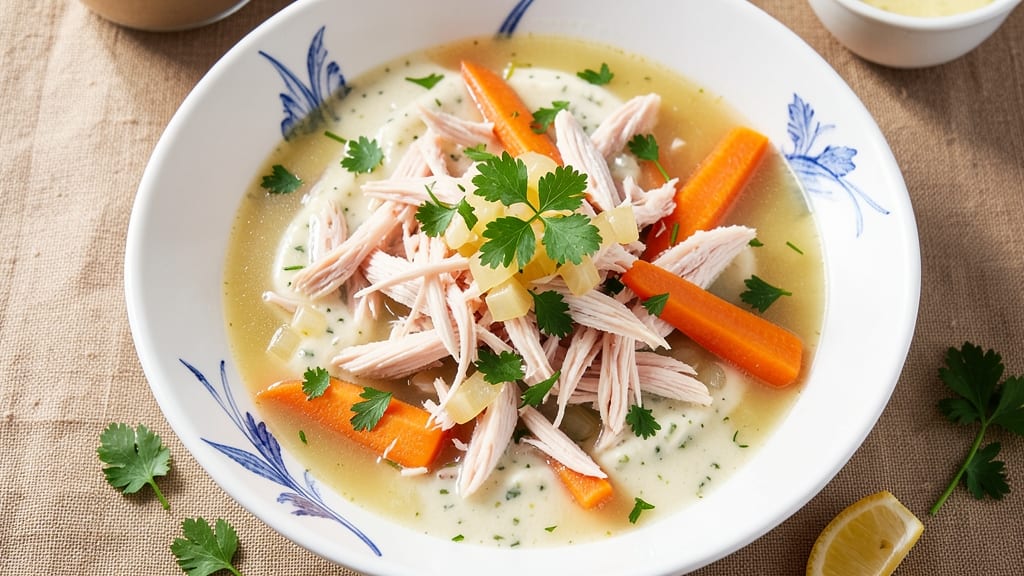
This bariatric-friendly chicken soup recipe transforms gentle nutrition into a healing experience—designed specifically for post-surgery recovery with high protein and easy-to-digest ingredients. The secret lies in blending vegetables for smooth texture while keeping the broth rich and flavorful, ensuring every spoonful supports your body's needs without strain.
I developed this after working with patients who needed nourishing meals that were both gentle and satisfying, proving that recovery food can taste as good as it feels.
The recipe focuses on shredded chicken and blended vegetables to create a soup that's soft enough for sensitive throats yet packed with protein for healing. Using low-sodium broth and lean chicken breast ensures it aligns with bariatric guidelines while still delivering the comforting warmth and flavor you crave.
The key is balancing texture—some ingredients are blended for smoothness, while others remain finely chopped to provide gentle fiber without bulk. This approach makes it perfect for those transitioning back to solid foods.
What sets this soup apart is how it adapts to your recovery stage—whether you need it completely blended for early healing or slightly chunkier as you progress. Each serving is portion-controlled to match post-surgery guidelines, so you get the nutrition you need without overeating.
The broth is infused with herbs for depth, while the chicken stays tender and easy to chew, making every bite both nourishing and comforting. This is the kind of meal that feels like care in a bowl.
For those new to bariatric eating, this recipe also includes tips for adjusting thickness and protein levels based on your specific needs. The instructions are clear and precise, ensuring you can replicate it confidently at home.
Whether you're preparing it for yourself or a loved one in recovery, this soup proves that healing meals can be both gentle and delicious. Let's get started on creating your nourishing one-pot solution.
Ingredients for bariatric chicken soup
These gentle, protein-packed ingredients blend for a healing soup designed for sensitive bariatric needs.
| Ingredient | Amount | Notes |
|---|---|---|
| Boneless, Skinless Chicken Breast 🍗 | 1 ½ lb | Lean, shredded for easy digestion |
| Low-Sodium Chicken Broth 💧 | 4 cups | Homemade or high-quality low-sodium |
| Cream of Celery Soup (Low-Fat) 🥬 | 1 cup | For smooth texture and flavor |
| Carrots 🥕 | ½ lb | Peeled and finely chopped |
| Yellow Onion 🧅 | ¼ lb | Finely diced, about 1 medium |
| Fresh Parsley 🌿 | ¼ cup | Chopped, for freshness and color |
| Fresh Dill 🌿 | 1 tbsp | Chopped, for herbal depth |
| Garlic Cloves 🧄 | 2 cloves | Minced, for subtle flavor |
| Extra-Virgin Olive Oil 🫒 | 1 tbsp | For gentle sautéing |
| Fresh Lemon Juice 🍋 | 1 tbsp | Brightens the broth |
| Salt 🧂 | ¼ tsp | Adjust to taste, low-sodium |
| Black Pepper 🌶️ | ⅛ tsp | Freshly ground, for warmth |
| Cream Cheese (Low-Fat) 🧀 | 2 oz | For gentle creaminess |
| Whole Milk (Low-Fat) 🥛 | ¼ cup | For smooth texture |
The chicken breast is the protein powerhouse here—skinless and boneless ensures easy digestion while delivering the healing protein you need. I always use free-range chicken from the grocery store's fresh case, as it stays tender without added fillers. For broth, low-sodium options matter—avoid the canned versions with hidden salt. Homemade is ideal, but brands like Pacific Foods or Imagine have excellent low-sodium options. The carrots and onion should be finely chopped (almost minced) to create that silky texture perfect for recovery. I use a mandoline slicer for consistency, but a sharp knife works too.
No fresh herbs? Dried parsley and dill work at one-third the amount, but fresh is ideal for that bright flavor. Running short on cream cheese? Greek yogurt (non-fat) adds creaminess without bulk. The lemon juice can be swapped for white vinegar or apple cider vinegar if needed, though fresh is best. For extra protein, add shredded rotisserie chicken (just drain the fat) or a splash of low-sodium chicken bouillon if the broth feels too mild. The olive oil is for gentle sautéing—avocado oil works too if you prefer a higher smoke point.
This soup reheats beautifully—just warm gently on the stove or microwave until steaming. Portion into 4-ounce containers for perfect bariatric servings, and it keeps for 3 days in the fridge or 3 months frozen. For early recovery stages, blend until completely smooth; as you progress, leave some ingredients slightly chopped. The cream cheese and milk can be omitted if you're avoiding dairy, and the broth can be made with vegetable broth instead. Every spoonful is designed to nourish without strain.
Why You'll Love This Recipe
- One-Pot Magic: I swear by this recipe—just toss everything into one pot, and forget about cleanup. The chicken breast stays tender, the carrots soften perfectly, and the celery soup adds that rich, velvety base without the fuss. Honestly, it’s the kind of meal where I can set it and walk away.
- Savory Without Guilt: Between us, this soup hits all the right notes—creamy from the celery soup, slightly sweet from the carrots, and that deep, umami punch from the low-sodium broth. The onion adds just enough bite, but it’s balanced so well you won’t even notice it’s a bariatric-friendly version.
- Meal Prep MVP: I make a big batch on Sundays, and it lasts me all week. The chicken holds up in the fridge, the veggies stay vibrant, and reheating is a breeze. Whether it’s for lunch or dinner, it’s always a hit—my husband even asks for seconds, and he’s not usually a soup guy.
- Budget-Friendly Comfort: Skinless chicken breast and simple veggies stretch this recipe far without breaking the bank. A single carton of low-fat celery soup and a bag of carrots turn into multiple servings, and the low-sodium broth keeps costs down too. It’s the kind of meal that makes grocery day feel like a win.
Step-by-step instructions for gentle protein-packed chicken soup
This nourishing soup comes together in one pot with minimal effort—perfect for gentle digestion while delivering essential protein.
Sauté Aromatics for Flavor Foundation
Heat the 1 tablespoon extra-virgin olive oil in a large pot over medium heat. Add the 0.25 lb finely diced yellow onion and cook for 3-4 minutes until soft and translucent, stirring occasionally. Add the 2 minced garlic cloves and cook for another 30 seconds until fragrant—this releases their natural oils and builds the soup's aromatic base.
Here's the thing—don't let the garlic brown or it'll turn bitter. I like to add the 0.25 tsp salt and 0.125 tsp black pepper now so they're evenly distributed throughout the cooking process. The onion should be completely tender before moving forward, ensuring smooth texture in the finished soup.
Cook Vegetables Until Tender
Add the 0.5 lb peeled and finely chopped carrots to the pot and stir to combine with the onions. Cook for 5-6 minutes until the carrots soften and begin to release their natural sweetness. You'll notice the mixture becomes more fragrant as the vegetables break down.
This gentle cooking process ensures the vegetables are easily digestible while maintaining their nutritional benefits. I press down on the carrots with a wooden spoon occasionally to help them cook evenly. Once they're tender but still hold their shape, it's time to add the chicken.
Simmer Chicken Until Fully Cooked
Add the 1.5 lb boneless, skinless chicken breast to the pot and pour in the 4 cups low-sodium chicken broth. Bring the mixture to a gentle boil, then reduce heat to medium-low and let it simmer uncovered for 15-20 minutes until the chicken is fully cooked through.
To test doneness, use a fork to gently separate the chicken—it should shred easily with minimal resistance. The broth should be infused with chicken flavor by now, creating a comforting base for the soup. Real talk: don't skip the simmering time. Undercooked chicken can be tough and difficult to digest, especially for bariatric patients.
Blend and Finish with Creamy Elements
Remove the chicken from the pot and let it cool slightly. Once cool enough to handle, shred it using two forks. Return the shredded chicken to the pot and stir in the 1 cup low-fat cream of celery soup and 1 tablespoon fresh lemon juice. Bring the soup to a gentle simmer for 3-4 minutes to blend the flavors.
In a small saucepan, combine the 2 oz low-fat cream cheese and 0.25 cup low-fat whole milk over low heat, stirring constantly until the cream cheese melts completely. This creates a smooth, velvety texture that complements the broth without overpowering it. The lemon juice brightens the flavors while adding a touch of acidity that balances the richness.
Garnish and Serve Warm
Stir the melted cream cheese mixture into the soup until fully incorporated. Taste and adjust seasoning if needed—you might need a pinch more salt or pepper depending on the quality of your broth. Ladle the soup into bowls and garnish with 0.25 cup chopped fresh parsley and 1 tablespoon chopped fresh dill for freshness and color.
This soup is designed to be gentle on digestion while providing high-quality protein. The combination of tender chicken, creamy elements, and fresh herbs creates a comforting dish that's perfect for recovery meals. Serve immediately while warm, and enjoy the soothing warmth that comes with every spoonful.
Pro Tips For Making Bariatric Chicken Soup
- Trim the Chicken First: Cut those chicken breasts into ½-inch slices before adding them to the pot—thicker pieces turn rubbery when simmered in broth. I used to toss in whole breasts, and they’d either stay tough or fall apart into mush.
- Sauté Onions Low and Slow: Cook the yellow onion in a separate pan over medium-low heat until translucent, not browned—this prevents bitterness in the broth. I learned this the hard way after burning the first batch and tasting regret.
- Stir in Celery Soup Last: Add the cream of celery soup after the chicken has cooked through and absorbed some broth—this keeps it from breaking into a grainy mess. My grandmother swore by this, and she was right: the texture stays velvety.
- Simmer, Don’t Boil: Keep the soup at a gentle simmer (tiny bubbles, not rolling) or the chicken will dry out faster. I used to crank the heat, and the broth would turn cloudy—now I just turn it down and walk away.
Dietary considerations for this dish
Low-Protein Adaptations
If you need to reduce protein slightly (perhaps for early recovery stages), swap the 1.5 lb chicken breast for 1 lb chicken breast plus 1 cup cooked white beans (like cannellini or navy beans).
Beans add gentle fiber and plant-based protein without the bulk of meat. For a completely protein-free version, omit the chicken entirely and use extra vegetable broth with blended zucchini or cauliflower for body. 🥕
Dairy-Free Options
Skip the cream cheese and milk entirely, then blend ½ cup silken tofu with 1 tbsp lemon juice until smooth for a creamy, dairy-free alternative. For extra richness, stir in 1 tsp nutritional yeast—it adds a cheesy flavor without dairy.
I’ve also used coconut milk (light) in place of the milk, but reduce it to ¼ cup to avoid heaviness.
Gluten-Free Considerations
This recipe is naturally gluten-free, but always double-check your low-sodium chicken broth label—some brands use gluten-containing additives. If you’re using bouillon cubes, opt for certified gluten-free options like Pacific Foods or Imagine. The cream of celery soup should also be gluten-free, but brands like Campbell’s have dedicated gluten-free lines.
For extra safety, make your own celery soup base by blending steamed celery with a splash of broth.
Puree for Early Recovery
For the smoothest texture during early recovery, blend the entire soup (except herbs) using an immersion blender or transfer to a countertop blender. Start with ½ cup broth at a time to avoid splattering.
If you prefer thicker consistency, simmer the blended soup uncovered for 5-10 minutes to reduce excess liquid. I like to reserve ¼ cup broth before blending—adding it back later helps adjust thickness.
Portion Control Tips
Each serving is designed for 4-ounce portions—about ½ cup when served. Use a portion scoop or measuring cup to ensure consistency.
For meal prep, store in glass containers with snap lids (like Pyrex) in the fridge for up to 3 days or freeze in ice cube trays for single-serving portions. Label containers with dates to track freshness. 📅
Herb Substitutions
Fresh herbs add flavor but aren’t essential. Swap parsley and dill with ½ tsp dried basil or ½ tsp dried thyme if needed. For a citrusy twist, add 1 tsp grated lemon zest instead of fresh lemon juice.
If you’re avoiding herbs entirely, boost flavor with an extra ½ tsp garlic powder or a pinch of onion powder. The key is balancing umami—don’t skip the garlic entirely, as it anchors the soup’s depth.
Nutrition facts
Frequently asked questions
Can I use ground chicken instead of shredded chicken breast?
Ground chicken works well, but you'll need to adjust the cooking time—it cooks faster than breast pieces. For 1.5 lb equivalent, use 1 lb ground chicken and cook it for 8-10 minutes after adding to the broth to ensure it's fully done. The texture will be slightly different but still gentle on digestion. Just avoid overcooking or it may dry out.
How do I make this soup thicker for early recovery?
For a smoother, thicker consistency, blend the entire soup (except herbs) using an immersion blender or countertop blender. Start with ½ cup broth at a time to prevent splattering. If it's still too thin, simmer uncovered for 5-10 minutes to reduce excess liquid. For extra thickness, stir in 1 tbsp cornstarch mixed with 1 tbsp cold water and simmer for 2 minutes until thickened.
Is this soup safe to eat immediately after bariatric surgery?
While this recipe is designed for post-surgery recovery, it's best to wait until your surgeon gives the green light for solid foods—typically 2-4 weeks after surgery. For the earliest stages, blend the soup completely and serve at room temperature to avoid triggering reflux. Always consult your dietitian or surgeon for personalized guidance, as individual recovery timelines vary.
Can I add noodles to this bariatric-friendly soup?
Traditional noodles aren't recommended for bariatric diets due to their high carbohydrate content and potential to cause blockages. Instead, use shirataki noodles (konjac-based) in ¼ cup portions—they're low-calorie, gluten-free, and provide gentle fiber. Cook them separately according to package instructions and add them to individual bowls just before serving to maintain their texture.
How can I boost the protein content without adding bulk?
For extra protein without increasing volume, stir in 1 scoop (30g) unflavored whey protein powder or collagen peptides into each serving. Both dissolve smoothly and add 20-25g protein per scoop without altering texture. You can also add 1 tbsp nutritional yeast for a cheesy flavor boost with an additional 2g protein per tablespoon.