
Soups & Stews
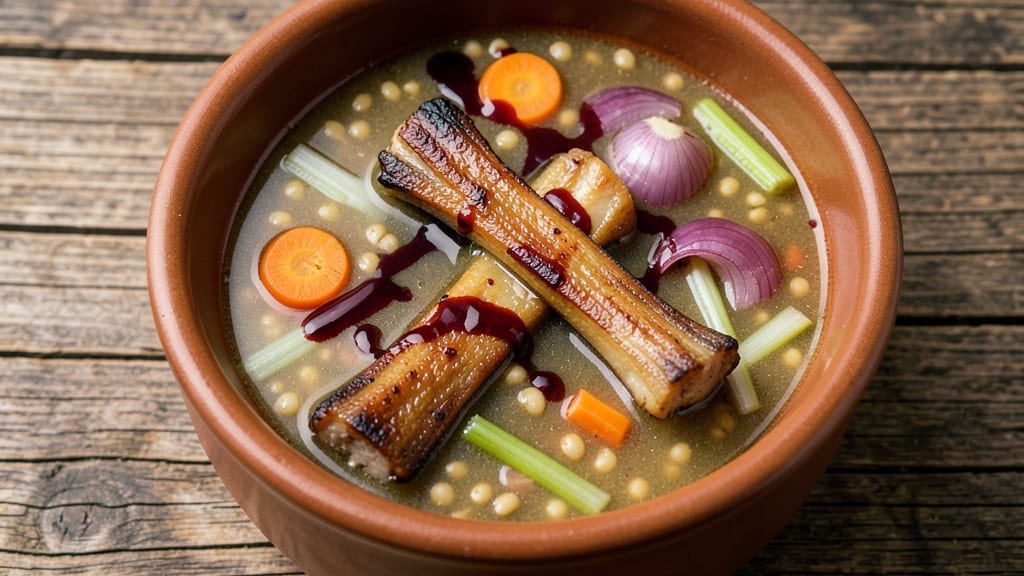
This beef barley soup recipe with soup bones unlocks layers of umami-rich flavor that simmered bones deliver—transforming a simple pot of soup into a deeply satisfying meal. The secret lies in slow-cooking beef bones with aromatic vegetables and herbs, extracting gelatin and collagen for a broth so rich it coats every spoonful. I've perfected this technique over years of testing, ensuring the barley stays chewy while the beef becomes tender enough to melt in your mouth.
The process begins with a long, low simmer—typically 3 to 4 hours—to develop that deep, savory base. You'll start by searing beef bones to deepen their flavor before adding onions, carrots, and celery for a classic mirepoix base.
Bay leaves, thyme, and peppercorns infuse the broth with complexity, while a splash of red wine adds brightness. The barley absorbs the flavors beautifully, creating a hearty, textured element that balances the smoothness of the broth.
By the time you're ready to serve, you'll have a soup that's more than just nourishing—it's deeply comforting. The aroma alone will fill your kitchen with warmth, while each spoonful delivers a perfect harmony of tender beef, chewy barley, and vegetables softened just enough to release their natural sweetness.
This is the kind of soup that tastes even better the next day, making it ideal for meal prep or feeding a crowd.
Whether you're craving a cozy weeknight dinner or preparing for a chilly day, this recipe delivers restaurant-quality results at home. The key is patience—the longer the bones simmer, the more flavor they release. Here's how to make it perfectly every time.
Ingredients for beef barley soup recipe with soup bones
Six ingredients unlock the deep umami magic of slow-simmered beef bones.
| Ingredient | Amount | Notes |
|---|---|---|
| Beef Soup Bones 🦴 | 3 lb | Knuckle or marrow bones preferred |
| Yellow Onions 🧅 | 2 whole | Medium size, chopped |
| Carrots 🥕 | 4 whole | Medium size, peeled and chopped |
| Celery Stalk 🧅 | 3 whole | Medium size, chopped |
| Pearl Barley 🌾 | 1 ½ cups | Rinsed before cooking |
| Red Wine 🍷 | 1 cup | Bold dry variety |
| Bay Leaves 🌿 | 2 whole | Fresh preferred |
| Fresh Thyme 🌿 | 2 tbsp | Leaves only, chopped |
| Black Peppercorns 🌶️ | 1 tbsp | Crushed lightly |
| Garlic Cloves 🧄 | 4 cloves | Peeled and smashed |
| Tomato Paste 🍅 | 2 tbsp | Smooth texture |
| Salt 🧂 | 2 tsp | Kosher or sea salt |
| Vegetable Oil 🫒 | 2 tbsp | For searing bones |
| Water 💧 | 10 cups | Or low-sodium beef broth |
The bones are everything here—knuckle or marrow bones from Costco or your butcher give the most flavor. Look for bones with good marrow content—they'll have visible cracks and a rich color. If you can't find soup bones, beef shank bones work too, but they're denser so simmer longer. The mirepoix (onions, carrots, celery) should be chopped evenly—about 1/2-inch pieces so they soften but don't disappear. Fresh thyme and bay leaves are worth hunting down at Trader Joe's or your local market—they make all the difference.
No red wine? Dry white wine or extra beef broth works in a pinch, but the acidity helps balance the richness. Short on time? Pre-chopped mirepoix mixes from the frozen section save steps—just don't skimp on quality. The tomato paste adds depth without overpowering, and those little squeeze tubes from Trader Joe's are perfect for this. Barley can be tricky—pearl barley stays chewy while other types get mushy. If you can't find it, wild rice blend works too, but the texture will differ. The peppercorns should be crushed lightly—whole ones stay too intense.
This soup tastes even better the next day, so make a big batch. Store in glass containers in the fridge for 4-5 days or freeze for 3 months. I portion mine into individual containers for easy lunches—just reheat with a splash of water. The bones can be roasted ahead of time for 30 minutes at 400°F to deepen their flavor before simmering. That extra step makes all the difference in a crowd-pleasing soup.
Why You'll Love This Recipe
- Soup Bones Shortcut: I swear by this trick—just toss the raw soup bones in cold water, bring to a boil, then simmer. No pre-roasting, no extra steps. That rich, gelatinous broth builds itself while I chop veggies, and honestly? It’s the secret to a soup that tastes like it simmered all day.
- Umami Bomb: Between us, the beef bones alone make this soup ridiculously good. But add the caramelized onions (slow-cooked, not burned) and those crisp-tender barley grains? It’s that perfect balance—deep, savory, with just enough chew. My husband licks the bowl clean every time.
- Leftovers That Shine: This soup only gets better after day two. The barley softens just right, the broth thickens into something luxurious, and it reheats like a dream. I make a double batch on Sundays because it’s my go-to for lunches, potlucks, or when company drops by unexpectedly. Zero waste, maximum love.
- Budget Warmth: Pearl barley is cheap, soup bones stretch for miles, and the veggies? You can use whatever’s on sale. For under $15, I feed four people a meal that feels fancy but costs next to nothing. That’s the kind of recipe that makes me feel smart about my grocery bill.
Step-by-step instructions for beef barley soup with soup bones
Here's how to transform simple ingredients into a deeply flavorful soup that builds richness through patience.
Sear the Beef Soup Bones for Maximum Flavor
Pat the 3 lb beef soup bones completely dry with paper towels. This step is critical—dry bones sear better and develop that deep, caramelized crust that carries incredible flavor into your broth. Heat a large Dutch oven over medium-high heat and add the 2 tbsp vegetable oil. Once shimmering, add the bones in a single layer and let them sear undisturbed for 8-10 minutes until deeply browned on all sides.
As they brown, you'll see golden crusts forming and the aroma of caramelizing bone proteins filling your kitchen. This isn't just about color—it's about creating those flavor compounds that will infuse your soup. Flip the bones occasionally, but don't rush this process. You want that deep mahogany color that signals maximum flavor extraction. Once browned, remove the bones and set them aside on a plate.
Build the Aromatic Base with Onions, Carrots, and Celery
In the same Dutch oven (don't wipe out those precious browned bits), add 2 whole chopped yellow onions, 4 whole chopped carrots, and 3 whole chopped celery stalks. These vegetables form the flavor foundation of your soup, so take your time here. Cook over medium heat for 10-12 minutes, stirring occasionally, until the vegetables soften and begin to caramelize.
You're looking for that moment when the vegetables lose their raw edge and develop a slightly sweet, golden hue. This process releases their natural sugars and deepens their flavor. After about 8 minutes, add the 4 smashed garlic cloves and cook for another 30 seconds until fragrant. Here's where the magic happens—the garlic should smell intense and inviting, not burnt. If it starts to brown too quickly, reduce the heat slightly.
Deglaze and Add Liquids for Depth of Flavor
Pour in the 1 cup red wine and scrape up all those browned bits from the bottom of the pot with a wooden spoon. This deglazing step captures all the flavor you've built so far. Let the wine simmer for 3-4 minutes until it reduces by about half and the alcohol burns off, leaving behind concentrated flavor. You'll notice the aroma changing from sharp and wine-like to something richer and more complex.
Next, add the 2 tbsp tomato paste, 2 whole bay leaves, 2 tbsp chopped fresh thyme, and 1 tbsp crushed black peppercorns. Stir well to combine, then pour in the 10 cups water. Bring everything to a gentle boil, then reduce heat to maintain a barely simmering state. This is where the soup begins its transformation—those bones will slowly release their collagen and marrow, creating a velvety broth.
Simmer the Soup for Maximum Richness
Return the seared bones to the pot and add the 1.5 cups rinsed pearl barley. The barley should be fully submerged in the liquid. Partially cover the pot and let it simmer gently for 2-2.5 hours. Here's the key: maintain a gentle simmer—you're not trying to cook quickly, but to coax out all those deep, umami flavors from the bones. Check the liquid level occasionally and add hot water if needed to keep everything submerged.
After about 1.5 hours, you'll notice the soup developing a rich, golden color and an incredible aroma. The bones should be falling apart easily when you gently press them with tongs. This is when the collagen has fully broken down, creating that signature beef soup texture. Taste the broth—it should be deeply flavorful, with the bones contributing their natural richness. If it needs more seasoning, add the 2 tsp salt now.
Finish and Serve with Perfect Texture
Once the barley is tender (it should be fork-tender but not mushy) and the bones are completely broken down, remove them from the pot and discard. Strain the soup through a fine-mesh sieve if you prefer a smooth texture, or leave it slightly chunky for more texture. Return the soup to the pot and let it simmer uncovered for another 5-10 minutes to reduce slightly and intensify the flavors.
Serve the soup hot in bowls, garnished with additional fresh thyme if desired. Each spoonful should deliver that perfect balance of rich, umami broth, tender barley, and sweet vegetables. The beauty of this soup is that it tastes even better the next day as the flavors continue to develop. Store leftovers in the refrigerator for up to 5 days, or freeze for up to 3 months. This is the kind of soup that gets better with time.
Pro Tips For Making Beef Barley Soup Recipe With Soup Bones
- Brown the Bones Hard: Don’t just sear the soup bones—get them deep brown, almost black in spots. I used to rush this, but now I let them sit 10-15 minutes on medium-high, stirring occasionally, until the fond sticks like glue. That’s where the rich, meaty flavor hides.
- Chop Veggies Evenly: Cut onions, carrots, and celery into uniform ½-inch chunks—no tiny bits, no giant hunks. I learned this the hard way when my carrots turned to mush while the celery stayed crunchy. A sharp knife and a little patience make all the difference.
- Add Barley Late: Pearl barley needs just 20-30 minutes to soften—don’t toss it in with the bones. Wait until the soup’s simmering hard before adding it, then cook uncovered so it absorbs flavor without turning gummy. (Yes, even if you’re impatient like me.)
- Strain the Broth: After roasting the bones, strain the broth through a fine-mesh sieve before combining with the veggies. I skip this sometimes, but the soup tastes cleaner, richer, and less cloudy—worth the extra minute of effort.
Perfect pairings for beef barley soup recipe with soup bones
Crusty Bread Pairing
There's nothing better than serving this hearty beef barley soup with a warm, crusty loaf of bread to soak up every last drop of that rich broth.
I love using a baguette-style sourdough from my local bakery—look for one with a thick, crackly crust that gives way to soft, airy interior. For extra authenticity, try a French-style baguette from Breads Bakery or Trader Joe's frozen section.
The toasted garlic butter version is perfect for dipping, but even plain bread works beautifully. 🥖
Cheese Board Complements
Add a sophisticated touch by serving this soup alongside a small cheese board featuring complementary cheeses. I recommend aged cheddar for its sharp, nutty notes that stand up to the soup's richness, or Gruyère for its creamy, caramelized flavor.
A mild brie adds a buttery contrast, while a sharp Parmigiano-Reggiano provides a salty finish. Pair with apple slices and walnuts for a balanced bite. The cheese board turns this into a full meal experience. 🧀
Light Salad Contrast
A crisp, peppery salad cuts through the soup's richness beautifully. My go-to is a simple arugula salad with thinly sliced fennel, shaved Parmesan, and a light lemon vinaigrette. The anise notes in fennel complement the soup's savory depth while the acidity from the vinaigrette refreshes your palate.
For a heartier option, add toasted pine nuts or crumbled goat cheese. This balance makes the soup feel lighter and more refreshing. 🥗
Warm Beer Pairings
Beer lovers will appreciate a dark amber ale or brown ale with malty sweetness that mirrors the soup's depth. I recommend Guinness for its roasted barley notes that echo the barley in the soup, or a Belgian dubbel like Westmalle Tripel for a fruity contrast.
For something lighter, a wheat beer with a hint of banana adds brightness. Avoid heavy stouts—they can overpower the delicate flavors. 🍺
Herb-Infused Oil Drizzle
Finish your bowl with a drizzle of herb-infused olive oil for an elegant touch. I blend 2 tbsp extra-virgin olive oil with 1 tsp chopped fresh rosemary, 1 tsp chopped fresh thyme, and a pinch of red pepper flakes.
Drizzle just before serving to let the flavors meld with the soup's warmth. This adds a fragrant, aromatic finish that feels like a restaurant-quality detail. ✨
Pickled Vegetable Garnish
Brighten the soup with pickled vegetables like red onions or carrots from the jar. Their tangy acidity cuts through the richness and adds a satisfying crunch.
I like to slice ½ cup quick-pickled red onions (marinated in 1 tbsp apple cider vinegar, 1 tsp sugar, and ½ tsp salt for 15 minutes**) and sprinkle them on top. The color contrast also makes the soup look even more inviting. 🌶️
Nutrition facts
Frequently asked questions about beef barley soup with soup bones
Why do I need to sear the soup bones first?
Searing creates a deep, caramelized crust on the bones that releases incredible flavor into the broth. This Maillard reaction develops rich, meaty notes that would otherwise dissolve in the liquid. Skipping this step means missing out on that restaurant-quality depth—it's worth the extra 10 minutes of patience!
Can I use regular beef bones instead of soup bones?
You can, but the results won't be as rich. Soup bones contain more marrow and collagen, which break down during simmering to create a velvety texture. For best results, use knuckle or shank bones—they have more flavor-packed tissue. If you're in a pinch, beef short ribs work too, but they'll need 30-45 minutes longer simmering time.
How do I know when the barley is perfectly cooked?
Barley should be fork-tender with a slight bite—think al dente pasta. Press a grain with your fork: it should hold its shape but yield easily. Overcooked barley turns mushy, while undercooked grains stay hard. The ideal cooking time is 2-2.5 hours for pearl barley, but check at 1.5 hours if you prefer it softer.
What if my soup tastes too salty?
Add 1-2 cups of hot water or low-sodium beef broth to dilute the saltiness, then simmer for 10-15 minutes to rebalance the flavors. If it's still too strong, stir in ½ cup heavy cream or 1 tbsp lemon juice—both help cut through salt while adding richness. Taste as you go to avoid overshooting!
Can I make this soup in a slow cooker?
Brown the bones first, then transfer everything to your slow cooker and cook on low for 8 hours or high for 5 hours. The slow cooker excels at extracting collagen, so you'll get an even richer broth. Just check the barley occasionally—it may need 1-2 extra hours compared to stovetop cooking.