
Soups & Stews
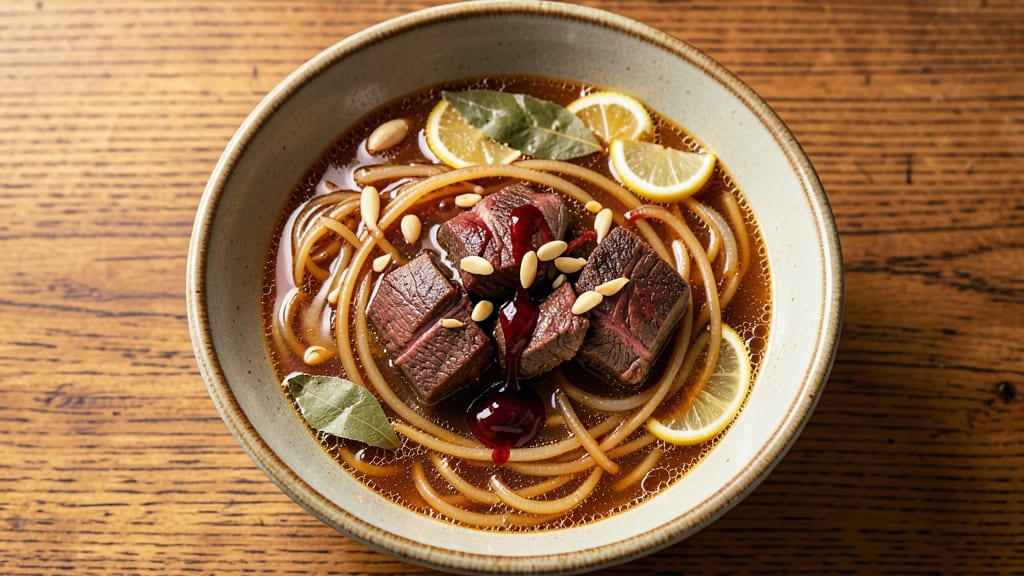
This beef soup Pinoy recipe delivers the soul-warming comfort of Filipino home cooking, where tender beef chunks float in a deeply aromatic broth infused with tamarind, ginger, and garlic.
The slow simmer transforms tough cuts into melt-in-your-mouth perfection while vegetables absorb the rich, tangy flavors—just like Sinigang na Baka but with a modern twist that keeps it restaurant-quality at home.
What sets this recipe apart is the balance of acidity and umami, achieved through a carefully built broth that starts with caramelized onions and garlic. The tamarind paste provides that signature Filipino tang, while bay leaves and black pepper add depth without overpowering the natural beef flavor.
Every spoonful tells a story of family gatherings and Sunday lunches, where this soup takes center stage.
The result is a tender, deeply flavorful beef soup that's hearty enough for a cold evening but light enough for a weeknight dinner.
The beef falls apart at the touch of a fork, the broth is velvety yet bright, and the vegetables retain their crispness—proof that comfort food can be both nostalgic and refined. This is the kind of dish that disappears faster than you can say "kain na!"
Perfect for feeding a crowd or meal prepping for the week, this recipe scales beautifully while maintaining its authentic character. Serve it with steamed rice and a side of sinamak (garlic fried rice) for the full Filipino experience. Let's get cooking!
Ingredients for beef soup pinoy
Filipino flavors start with these simple yet powerful ingredients that transform tough beef into melt-in-your-mouth perfection.
| Ingredient | Amount | Notes |
|---|---|---|
| Beef Chuck Roast 🥩 | 2 lb | Cut into 1.5-inch chunks |
| Yellow Onions 🧅 | 2 whole | Thinly sliced for caramelizing |
| Garlic Cloves 🧄 | 8 cloves | Minced for aromatic base |
| Fresh Ginger 🌿 | 2 tbsp | Grated, peeled root |
| Tamarind Paste 🍯 | ¼ cup | Filipino brand preferred |
| Bay Leaves 🌿 | 2 whole | Dried, for depth of flavor |
| Black Peppercorns 🌶️ | 1 tsp | Crushed for warmth |
| Potatoes 🥔 | 2 pieces | Peeled, cut into chunks |
| Carrots 🥕 | 3 whole | Peeled, cut into sticks |
| Tomatoes 🍅 | 3 whole | Medium, quartered |
| Beef Broth 💧 | 4 cups | Low-sodium preferred |
| Olive Oil 🫒 | ¼ cup | For caramelizing onions |
| Salt 🧂 | 1 ½ tsp | Adjust to taste |
The beef is non-negotiable—chuck roast gives you that signature Filipino tenderness. Look for well-marbled cuts at your local Filipino grocery store (like Filipino Mart or Asian Food Market) for the most authentic experience. If you're using supermarket beef, trim any excess fat and cut into even 1.5-inch chunks for consistent cooking. The tamarind paste is the secret weapon—Filipino brands like Calamba or S&B are ideal, but any good-quality tamarind paste will work. For the ginger, freshly grated makes all the difference, but if you're in a pinch, pasteurized ginger from the Asian aisle works too.
No tamarind paste? Lime juice plus a pinch of sugar mimics the tang, though it won't be identical. Swap the potatoes for sweet potatoes if you prefer, but the classic white potatoes hold their shape best. The tomatoes can be Roma or vine-ripened—just avoid those mealy supermarket varieties. For the broth, homemade beef stock is best, but low-sodium store-bought in a bind. The carrots and potatoes should be similar sizes so they cook evenly. If you're prepping ahead, par-cook the veggies before adding them to the broth to save time later.
This soup tastes even better the next day—plan to make it a day ahead if possible. Store in an airtight container in the fridge for up to 5 days, or freeze for 3 months. For meal prep, portion into individual containers with rice to keep everything fresh. The broth reduces slightly overnight, so add a splash of water before reheating if it seems too thick. Leftovers reheat beautifully—just gentle simmer on the stove until hot, never microwave, to preserve the texture.
Why You'll Love This Recipe
- One-Pot Magic: I swear by this—just toss everything in one pot, and the tamarind paste does the heavy lifting. No chopping like a fine-dining chef, no fussing with multiple pans. The beef chuck roast practically melts into tender perfection while you sip coffee.
- Tamarind Tang Magic: That little jar of tamarind paste? It’s the secret weapon. The sour-sweet punch cuts through the rich beef and caramelized onions like a bright knife through butter. Honestly, I’ll fight someone for the last spoonful of broth—it’s that good.
- Weeknight to Party: Make it for tired Tuesday nights or double the batch for Sunday gatherings. The leftovers? Even better the next day—just reheat and serve with steamed rice. My in-laws think I’m a genius when I bring this to family dinners.
- Budget Beef Boost: Chuck roast is cheap, and this recipe stretches it into three meals. The ginger and garlic add depth without costing extra, and the tamarind makes it taste like you spent hours simmering. Between us, my wallet thanks me every time.
Step-by-step instructions for beef soup Pinoy recipe
This method delivers melt-in-your-mouth beef chunks and deeply flavorful broth every time.
Build the Flavor Base with Caramelized Onions
Heat the 0.25 cup olive oil in a large Dutch oven over medium-low heat. Add the 2 whole yellow onions sliced thinly and cook for 15-20 minutes until they turn deep golden brown and sweet-smelling. You're aiming for caramelization - this creates the rich foundation of your soup.
Stir occasionally but don't rush this step. The onions should release their moisture and reduce down significantly. If they start to brown too quickly, reduce the heat slightly. This patience pays off with layers of flavor that infuse throughout the entire soup.
Add Aromatics and Cook Until Fragrant
Once the onions are caramelized, add the 8 cloves minced garlic and 2 tbsp grated fresh ginger. Cook for 1-2 minutes until the garlic turns golden and releases its aroma - you'll smell it immediately when it's ready. Be careful not to let the garlic burn, as it turns bitter quickly.
Next, add the 1 tsp crushed black peppercorns and 2 whole bay leaves. Stir everything together for 30 seconds to combine the aromatics with the caramelized onions. This aromatic base forms the flavor backbone of your Filipino beef soup.
Brown the Beef for Deep Flavor
Add the 2 lb beef chuck roast cut into 1.5-inch chunks to the Dutch oven. Increase heat to medium-high and cook for 3-4 minutes, stirring occasionally, until the beef develops a rich brown crust. This browning reaction creates the deep, meaty flavor that simmers into the broth.
Don't be tempted to cook the beef all the way through at this stage - we want it to finish cooking gently in the broth. Once the beef is well-browned on all sides, remove it from the pot and set it aside temporarily.
Develop the Rich Broth
Return the Dutch oven to medium heat and add the 0.25 cup tamarind paste. Stir to combine, letting it cook for 1 minute to develop its tangy flavor. Then add the 4 cups beef broth, scraping up any browned bits from the bottom of the pot.
Bring the broth to a gentle simmer, then add the 2 pieces peeled potatoes cut into chunks, 3 whole carrots cut into sticks, and 3 whole tomatoes quartered. Season with the 1.5 tsp salt and return the beef to the pot. The broth should just barely cover the ingredients.
Simmer Until Tender and Flavorful
Cover the Dutch oven and reduce heat to low. Let the soup simmer gently for 1 hour and 30 minutes to 2 hours, maintaining a temperature around 190-200°F. You want the beef to become fork-tender while the vegetables soften but still hold their shape.
Check the beef periodically after the first hour. It's done when it easily pulls apart with a fork and the broth has reduced slightly, becoming rich and concentrated. The potatoes should be tender but not falling apart, and the carrots should be soft yet still holding their structure.
Final Adjustments and Serving
Once the beef is tender, taste the soup and adjust seasoning if needed. You may need to add a bit more salt or tamarind paste to achieve the perfect balance of rich beef flavor and tangy sweetness. Remove the 2 whole bay leaves as they're not meant to be eaten.
Serve the soup immediately while hot, ladling generous portions of beef and vegetables into bowls. The broth should coat the back of a spoon with rich, meaty flavor. This Filipino beef soup makes for a hearty, comforting meal that's perfect for cold days or as a base for other dishes.
Pro Tips For Making Beef Soup Pinoy
- CRISP THE ONIONS FIRST: Sauté the onions until deep golden, not just soft—think caramelized, not mushy. I used to rush this, and the soup tasted flat; now I let them cook for 8-10 minutes on medium-low, stirring occasionally. That’s the base flavor, so don’t skip it.
- SEAR THE BEEF IN BATCHES: Crowd the pan, and you’ll steam the meat instead of sear it. Cut the chuck roast into 1.5-inch chunks and work in two batches—high heat, 2-3 minutes per side—until the edges turn dark brown. That crust locks in flavor when the tamarind and broth hit.
- GRATE THE GINGER FINE: No food processor? Use a microplane or the smallest holes on a box grater. Fresh ginger loses its punch when chopped roughly, and this recipe needs it sharp. Taste it raw first—if it’s not zingy, you’re not grating it enough.
- DILUTE THE TAMARIND PASTE: Stir the tamarind paste into ¼ cup warm water first, then whisk into the broth. It clumps like glue if you add it dry, and you’ll end up with a lumpy soup. A quick 30-second mix saves you from fishing out strings later.
Health benefits of these flavors
Protein Powerhouse
This Filipino beef soup packs a whopping 35-40 grams of protein per serving, thanks to the tender beef chuck roast. That's nearly half of your daily protein needs in one bowl!
The slow cooking process breaks down the muscle fibers, making the protein more bioavailable and easier for your body to absorb. 💪 Perfect for post-workout meals or when you need a nourishing lunch that keeps you full for hours.
Bone-Strengthening Minerals
The beef provides essential minerals like iron (3-4mg per serving) and zinc (5-6mg per serving), both crucial for immune function and energy levels. The carrots and potatoes add potassium (400-500mg) and magnesium (30-40mg), supporting muscle function and nerve signaling.
The tamarind paste contributes calcium (50-60mg), helping maintain strong bones.
Digestive Aid Benefits
The ginger in this recipe is a digestive superstar, containing gingerol compounds that help reduce bloating and nausea. The tamarind paste adds prebiotic fiber, feeding your gut microbiome.
Together, they create a soup that's not just comforting but also gentle on your digestive system—ideal after heavy meals or when you're feeling under the weather.
Low-Calorie Comfort
At just 300-350 calories per serving, this soup delivers hearty satisfaction without the guilt. The broth-based nature means it's naturally lower in calories than creamy soups, while the vegetables add volume and nutrients.
The slow cooking process actually intensifies the flavors, so you get rich, satisfying taste with fewer calories—a win-win for comfort food lovers.
Immune-Boosting Broth
The homemade beef broth is packed with collagen and gelatin from the slow-cooked beef and vegetables, which support joint health and gut integrity. The garlic in the recipe contains allicin, a compound with natural antibacterial properties.
Together, these ingredients create a nourishing broth that helps strengthen your immune system during cold seasons. 🌱
Heart-Healthy Fats
While this soup is naturally lower in fat than many other beef dishes, the monounsaturated fats from the olive oil and beef contribute to heart health when consumed in moderation.
The ratio of protein to fat in this recipe creates a satisfying meal that supports cardiovascular function without excessive saturated fat. The tamarind paste also helps balance the meal's overall fat profile by adding natural acidity.
Nutrition facts
Frequently asked questions
Can I substitute tamarind paste with something else?
Yes! If you don't have tamarind paste, use 2 tablespoons lime juice plus 1 teaspoon sugar for a similar tangy brightness. For a deeper flavor, try 1 tablespoon vinegar (apple cider or white vinegar) with 1 teaspoon sugar. The tamarind's unique complexity is hard to replicate, but these work in a pinch.
How do I make this soup more filling for a crowd?
Add 1 cup of rice directly to the pot during the last 30 minutes of simmering, or serve with steamed rice on the side. For extra heartiness, include 1 cup of egg noodles or 1 cup of chopped cabbage—both absorb the broth beautifully. The beef already provides substantial protein, so these additions bulk it up without overpowering the flavors.
Why did my beef turn out tough instead of tender?
This usually happens if the beef wasn't browned properly or the soup didn't simmer long enough. Always sear the beef chunks until deeply browned (3-4 minutes per side) to develop flavor and texture. Then, simmer covered on low heat for at least 1.5 hours—check doneness by piercing with a fork. If using cheaper cuts, increase simmering time to 2 hours.
Can I make this soup in an Instant Pot?
Sauté onions for 5 minutes, then add garlic, ginger, and spices. Brown the beef (3 minutes on high), then add tamarind, broth, and veggies. Cook on high pressure for 30 minutes, then natural release. The Instant Pot cuts cooking time by half while keeping the beef tender. Just taste and adjust seasoning after pressure cooking—flavors concentrate differently.
What's the best way to reheat leftovers?
Reheat gently on the stovetop over medium-low heat for 5-7 minutes with the lid slightly ajar. Never microwave—it makes the broth watery and beef rubbery. For extra richness, add 1-2 tablespoons beef broth while reheating. If the soup seems thick, thin with a splash of water. Leftovers taste even better the next day!