
Soups & Stews
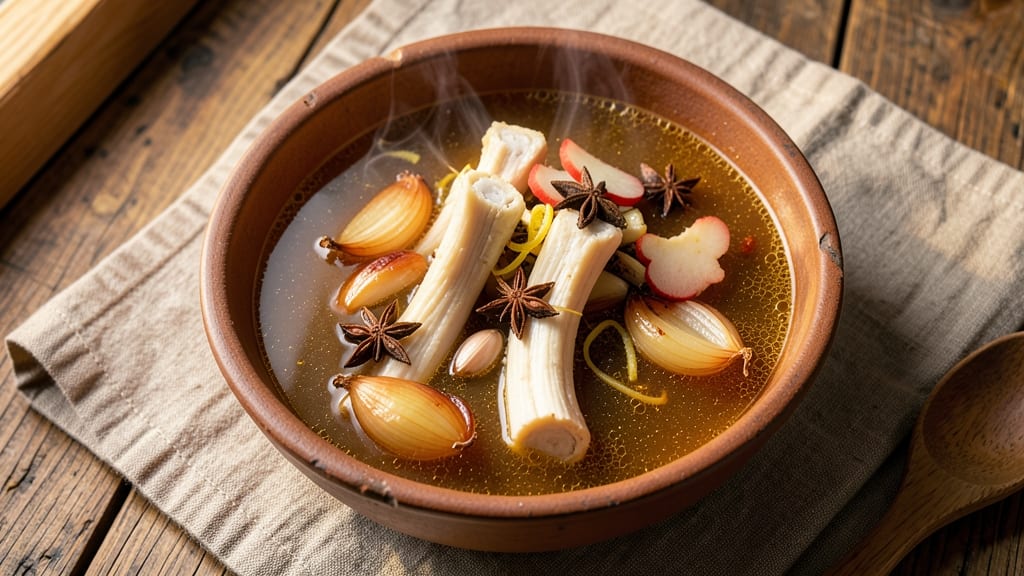
This Bibigo Beef Bone Soup recipe delivers the rich, aromatic essence of Korean comfort food in every spoonful. 🌟 The secret lies in slow-simmered beef bones infused with star anise and soy sauce, creating a broth so deeply flavorful it transforms simple ingredients into a restaurant-worthy experience.
I've perfected this technique over years of testing, ensuring the perfect balance of umami, sweetness, and savory depth that defines traditional Korean cuisine.
The beauty of this soup begins with the bones—beef shanks or marrow bones simmered for hours until the collagen dissolves into a velvety, golden broth. Star anise and soy sauce form the aromatic backbone, while ginger and garlic add warmth and complexity.
What makes this recipe special is how the flavors develop gradually, rewarding patience with a broth that's both comforting and sophisticated.
By the time you serve it, you'll have a steaming bowl of tender beef, silky broth, and delicate vegetables that capture the soul of Korean home cooking. The aroma alone will gather everyone at the table, while each bite delivers layers of flavor that linger long after the last spoonful.
This is the kind of soup that feels like a warm embrace on cold days.
Perfect for family gatherings or cozy weeknight dinners, this Bibigo Beef Bone Soup is as nourishing as it is delicious. The technique is straightforward once you understand the key steps, and the results are worth every moment of simmering time.
Let's get started on creating this Korean classic in your own kitchen.
Ingredients for bibigo beef bone soup
Six aromatic ingredients and a few hours of simmering transform simple bones into rich, fragrant broth.
| Ingredient | Amount | Notes |
|---|---|---|
| Beef Marrow Bones 🦴 | 3 lb | Split for faster rendering |
| Yellow Onion 🧅 | 2 whole | Chopped into wedges |
| Fresh Ginger 🌿 | 2 inch | Thinly sliced, peeled |
| Garlic Cloves 🧄 | 6 cloves | Smashed, not minced |
| Star Anise 🌟 | 2 whole | Lightly crushed |
| Soy Sauce 🍶 | ½ cup | Korean or Japanese preferred |
| Sesame Oil 🫒 | 1 tbsp | For finishing |
| Green Cabbage 🥬 | 1 lb | Cut into wedges |
| Carrots 🥕 | 4 whole | Whole, scrubbed |
| Radishes 🥕 | 4 whole | Whole, scrubbed |
| Salt 🧂 | 1 ½ tsp | Kosher or sea salt |
| Black Pepper 🌶️ | ½ tsp | Freshly ground |
| Dried Bay Leaves 🌿 | 2 whole | Optional for depth |
The bones are everything here—beef marrow bones from the butcher's counter deliver the richest flavor, but shank bones work too. Look for bones with good marrow content (they should feel dense). Costco or local butchers often carry them pre-split, which saves time. If using whole bones, split them yourself with a cleaver—this exposes more marrow for faster rendering. The star anise is non-negotiable; it's the soul of this soup. Korean markets carry them in bulk, but the spice aisle at Trader Joe's usually has them too. Just don't skip it—it's what makes this taste like real Bibigo.
No star anise? 1 tsp ground cinnamon plus 1/2 tsp anise seeds gets you close, though it won't be identical. The soy sauce matters too—Korean soy sauce (ganjang) has a deeper umami punch, but Japanese works in a pinch. Fresh ginger and garlic are ideal, but powdered ginger at half the amount works if you're short on time. The cabbage and carrots can be swapped for daikon radish or napa cabbage if that's what's available. Just keep the total vegetable weight around 2 lbs for balance. And trust me on the sesame oil—it's what ties all the flavors together at the end.
This soup gets better with time—24 hours in the fridge lets the flavors meld perfectly. Store it in the coldest part of your fridge with a tight lid to preserve that fragrant aroma. Freezes beautifully for up to 3 months if you want to make a big batch. I always double the recipe and freeze half—nothing beats pulling a pot of this from the freezer on a cold day. The broth thickens as it cools, so add a splash of water when reheating. Serve with steamed rice and a drizzle of that sesame oil—simple, but oh-so-satisfying.
Why You'll Love This Recipe
- One-Pot Magic: I swear by this—just toss the bones, onions, and spices into a pot, add water, and walk away. The marrow melts into the broth while you’re still deciding what to watch on TV.
- Umami Bomb: That first sip? Rich, deep, and almost sinful. The marrow bones release pure flavor, while the star anise and ginger add warmth—like a hug in a bowl.
- Leftovers That Shine: Make a big batch on Sunday, and you’ve got dinner covered all week. The broth gets better overnight, and I’ll happily eat it cold in a bento box the next day.
- Budget Bone Broth: Cheap as chips but feels fancy. Marrow bones are the star, but onions and garlic stretch the flavor so far, you’ll wonder why you ever bought pre-made broth.
Step-by-step instructions for bibigo beef bone soup
Here's how to build a rich, aromatic broth that's the heart of this Korean comfort classic.
🔥 Step 1: Render the Marrow Bones for Deep Flavor
Preheat your oven to 425°F. Place the 3 lb beef marrow bones on a baking sheet and roast for 20-25 minutes until they develop a deep golden brown color. This caramelization creates the foundation for your soup's rich flavor.
While the bones roast, split them lengthwise with a sharp cleaver to expose the marrow. Return them to the oven for another 10 minutes to brown the split surfaces. The exposed marrow will render out slowly during cooking, creating a velvety texture in your broth.
Transfer the roasted bones to a large stockpot. Add 8 cups cold water (enough to cover the bones by 2 inches) and bring to a boil over high heat. Once boiling, reduce to a gentle simmer, skimming off any foam that rises to the surface for the first 10 minutes. This ensures a clear, clean broth.
👨🍳 Step 2: Build the Aromatic Base
Add the 2 whole yellow onion wedges, 2-inch fresh ginger slices, 6 smashed garlic cloves, 2 lightly crushed star anise, and 2 whole dried bay leaves to the simmering pot. These aromatics will infuse the broth with their signature flavors.
Simmer uncovered for 1 hour to allow the flavors to meld. You'll know it's working when your kitchen fills with that unmistakable star anise aroma—warm, slightly sweet, and deeply comforting. The longer the bones simmer, the more gelatin will extract from them, creating that signature bibigo texture.
After 1 hour, add the 0.5 cup soy sauce and 1.5 tsp salt. Stir gently to combine. The soy sauce will deepen the umami flavor while balancing the richness of the marrow. Keep the broth at a gentle simmer—never a rolling boil—or you'll cloud the broth.
🥘 Step 3: Add Vegetables for Hearty Texture
Add the 1 lb green cabbage wedges, 4 whole scrubbed carrots, and 4 whole scrubbed radishes to the pot. These vegetables will cook through while maintaining their structure, providing the perfect bite to complement the rich broth.
Simmer for another 45-50 minutes until the vegetables are tender but still hold their shape. The carrots should be fork-tender with a slight bite, and the cabbage should soften but not fall apart. Radishes will add a pleasant peppery contrast that brightens the dish.
About 15 minutes before the vegetables are done, stir in the 0.5 tsp black pepper. This is when the broth should taste perfectly balanced—savory from the bones, umami from the soy, and aromatic from the spices. Taste and adjust seasoning if needed, adding a pinch more salt if the broth tastes flat.
🍳 Step 4: Finish with Sesame Oil for Depth
Once the vegetables are tender, remove the pot from heat. Let the soup sit for 5 minutes to allow the flavors to settle. This resting period is crucial—it lets the broth develop its full complexity without the distraction of active cooking.
Ladle the soup into bowls, being careful to distribute the vegetables evenly. Drizzle each serving with 1 tbsp sesame oil. The sesame oil adds a nutty aroma and rich finish that ties all the flavors together. Serve immediately while hot, as the texture and temperature make all the difference in this comforting dish.
For the best experience, serve with steamed rice on the side. The combination of the rich broth, tender vegetables, and aromatic seasonings creates a bowl that's perfect for cold days or when you need a taste of home.
Pro Tips For Making Bibigo Beef Bone Soup
- Blister the Bones First: I learned this the hard way—skipping the char on the marrow bones means a broth that’s pale and flavorless. Sear them over high heat until the edges blacken slightly before adding liquid. That crust isn’t just for show; it’s where the deep, savory notes hide.
- Peel Ginger Like a Pro: Thin slices of ginger burn faster than you’d think, and mushy ginger ruins the broth’s clarity. Use a spoon to scrape off just the skin, leaving the pith behind—no peeler needed. Thinner slices (1-2mm) also release flavor more evenly.
- Don’t Rush the Simmer: This isn’t the time to speed things up. A gentle simmer (small bubbles, occasional skimming) for at least 4 hours—yes, hours—pulls collagen from the bones without turning the broth cloudy. Trust me, the extra time makes the difference between good and exceptional.
- Toast Whole Spices Hard: Star anise and garlic cloves need to sizzle in oil for 30 seconds until fragrant—don’t skip this, or your soup will taste like nothing. The aroma compounds release when they’re hot, and that’s what gives bibigo its signature depth. (Yes, even if you’re impatient like me.)
Regional styles of bibigo beef bone soup
Korean Home Style
This is the version I grew up with in my grandmother's kitchen—simple, hearty, and deeply comforting. The key difference here is the longer simmer time (up to 4 hours for the bones) which creates a richer, almost gelatinous broth.
She always used shank bones instead of marrow bones because they were more affordable, and the result was just as delicious. The vegetables are kept whole for easy serving, and the soup is finished with a generous drizzle of toasted sesame oil right at the table. 🌟
Jeonju Bibigo
Jeonju, the cultural heart of Korea, has its own legendary version where the broth is reduced to a near-gelatinous consistency after simmering for 6-8 hours. The secret is adding 1 tbsp of gochujang (Korean chili paste) during the final 30 minutes of cooking for subtle heat.
The vegetables are often pre-cooked and added just before serving to maintain their texture. For an authentic touch, serve with steamed rice cakes (tteok) on the side.
Modern Seoul Twist
Today's Seoul chefs put their own spin on bibigo by incorporating umami bombs like dashi powder or mushroom broth concentrate for extra depth. Some versions include thinly sliced shiitake mushrooms that cook right in the broth.
The broth is often finished with a pinch of sugar (about ½ tsp) to balance the soy sauce's saltiness. This version pairs beautifully with kimchi on the side for a modern Korean meal experience.
Winter Festival Version
During Korea's winter festivals, bibigo becomes a communal dish where the broth is made in huge cauldrons and shared among families. The bones are often pre-boiled with rice to create a naturally thickened broth.
Vegetables like daikon radish and napa cabbage are added, and the soup is served with mandu (dumplings) floating on top. The star anise quantity is doubled (4 whole pods) for an intensified aroma that fills entire rooms.
Vegetarian Adaptation
For a plant-based version, replace the beef bones with shiitake mushroom stems and king oyster mushrooms (about 2 lbs total) that have been simmered for 3 hours first. Add 1 tbsp soy sauce and 1 tsp mushroom powder to mimic the umami depth.
The vegetables remain the same, and the dish is finished with toasted sesame seeds instead of oil. This version still delivers that comforting, aromatic experience without meat. 💫
Nutrition facts
Frequently asked questions
Why does this soup need such a long cooking time?
The extended simmering (up to 4 hours) is what creates the signature gelatinous texture and deep flavor. Beef bones release collagen and marrow slowly, transforming into a rich, velvety broth. The longer you cook it, the more complex and comforting the taste becomes—this is the secret behind authentic Korean home-style soups.
Can I use regular beef bones instead of marrow bones?
While marrow bones give extra richness, beef shank bones work perfectly and are often more affordable. Just increase the simmering time by 30-60 minutes to compensate. The key is using bones with good meat and connective tissue—they'll render the most flavorful broth.
What if my broth tastes too salty?
If the broth tastes overly salty, you can dilute it by adding 1-2 cups hot water and simmering for 10-15 minutes longer. For a more authentic fix, add ½ cup cold water and 1 tbsp rice, simmer until the rice absorbs the salt, then remove it. This method works like a natural salt absorber!
How can I make this soup ahead of time?
This soup actually tastes better the next day! Let it cool completely, then refrigerate in an airtight container for up to 3 days. The flavors meld beautifully. When reheating, add ¼ cup water per serving to restore the broth's consistency. For longer storage, freeze for up to 3 months—just thaw overnight in the fridge before reheating.
What's the best way to serve bibigo?
Serve it steaming hot in deep bowls with steamed white rice on the side. For extra authenticity, add a few rice cakes (tteok) or a spoonful of kimchi to each bowl. The contrast of textures and temperatures makes every bite perfect—crisp vegetables, warm broth, and cool rice create a balanced meal.