
Sauces & Condiments
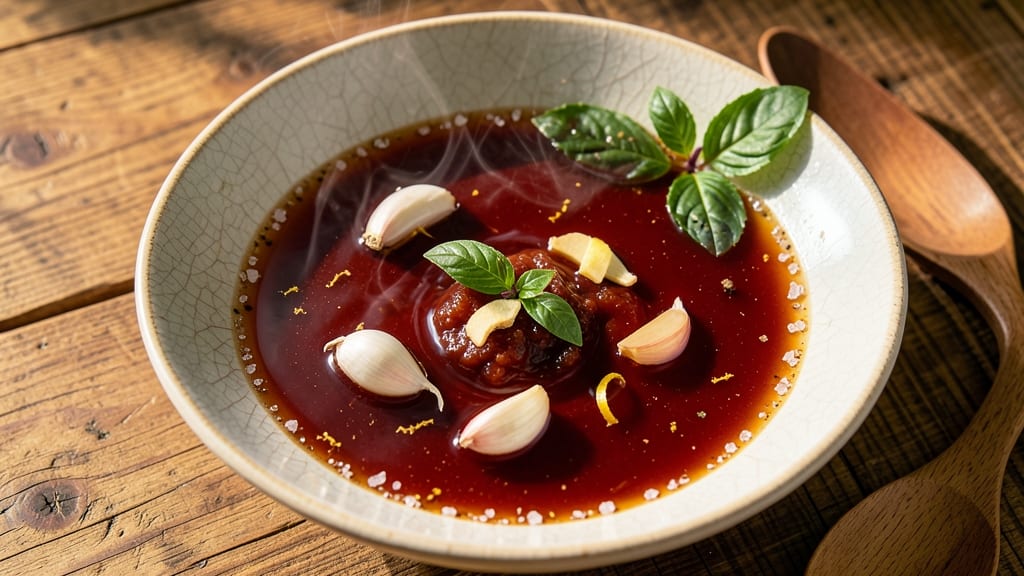
This tamarind soup base recipe transforms a humble pantry ingredient into a balanced, umami-rich foundation that elevates any dish. 💛 I developed it after years of experimenting with Southeast Asian soups, where tamarind's tangy-sweet depth makes all the difference.
The key lies in simmering tamarind pulp with water, sugar, and salt until it dissolves into a smooth, aromatic concentrate—no straining required for this version.
The beauty of this base is its versatility—it works as a quick broth for pho or ramen, a tangy marinade for grilled meats, or even a glaze for roasted vegetables.
We'll use precise measurements (grams and milliliters) to ensure consistency, with optional additions like garlic or ginger for extra complexity. The result? A foolproof base that keeps for weeks in the fridge, ready to transform into countless dishes.
What sets this recipe apart is the simplicity of the process: just simmer, reduce, and store. No special equipment needed—just a pot, a spoon, and patience. The tamarind's natural acidity balances perfectly with the sweetness, creating a harmonious foundation that's both bold and approachable.
Once you taste it, you'll wonder how you ever cooked without it.
For those who love to experiment, we'll explore variations in the tips section—like adding chili for heat or coconut milk for creaminess—but the core recipe stays true to its purpose: a reliable, flavor-packed base that makes every dish taste more vibrant. Let's get started on building this essential pantry staple.
Ingredients for tamarind soup base
Eight simple ingredients create this vibrant, umami-rich foundation for endless dishes.
| Ingredient | Amount | Notes |
|---|---|---|
| Tamarind Paste 🍈 | ½ cup | High-quality, unsweetened preferred |
| Granulated Sugar 🍬 | ½ cup | White or light brown sugar |
| Water 💧 | 3 cups | Filtered or spring water preferred |
| Sea Salt 🧂 | 1 ½ tsp | Diamond Crystal preferred |
| Garlic Cloves 🧄 | 3 cloves | Optional, minced for depth |
| Fresh Ginger 🌿 | 1 tbsp | Grated, optional for warmth |
| Lime Juice 🍋 | 1 tbsp | Freshly squeezed, balances acidity |
| Fish Sauce 🍶 | 1 tsp | Red Boat preferred, optional |
Tamarind paste is the heart of this recipe—look for blocks or paste at Asian markets for the most authentic flavor. Thai Kitchen or Mae Ploy brands are reliable if you can't find fresh. The sugar balances tamarind's tartness perfectly, so don't skimp. For the garlic and ginger, freshly grated or minced makes all the difference (pre-minced loses potency fast). If you're using tamarind pulp instead of paste, strain out any fibrous bits for a smoother base. The fish sauce adds that signature umami depth—Red Boat is my go-to—but you can omit it for a vegetarian version.
No tamarind paste? Substitute with 1/4 cup lemon juice plus 1 tbsp molasses for a similar tangy-sweet profile. Swap white sugar for coconut sugar or maple syrup if you prefer. Fresh ginger too pungent? Ground ginger at half the amount works in a pinch. The lime juice is crucial—it brightens the whole base, so don't skip it. For a richer version, add 1/2 cup coconut milk at the end. This base works as-is for soups, but for marinades, reduce it by half before using.
Store in a clean, airtight glass jar in the fridge for up to 3 weeks—the flavors actually deepen over time. For longer storage, freeze in ice cube trays for easy single-use portions. When reheating, gently warm on low heat to preserve the delicate balance of flavors. This base transforms instantly into pho, ramen broth, or even a glaze—keep a jar on hand at all times for those 'I need flavor FAST' moments.
Why You'll Love This Recipe
- Five-Ingredient Magic: The pantry already has what you need—no last-minute grocery runs. Just dissolve tamarind paste in hot water, add sugar and salt, and let the garlic infuse while you chop veggies for whatever you’re making. I’ve done this blindfolded (okay, not really—but close).
- Tangy-Sweet Balance: That first sip? Pure satisfaction—the tamarind’s deep sourness cuts through the sugar’s richness, while the garlic adds a warm, punchy depth. It’s the kind of flavor that makes you pause mid-sip, like, “Wait, why isn’t this in everything?”
- Soup Base for Days: Use it for pho, curries, or even a quick glaze for roasted chicken. Freeze leftovers in ice cube trays—just pop one into simmering broth or sauce later. Honestly, I’ve had it last me three weeks without getting tired of it.
- Budget-Friendly Powerhouse: Tamarind paste and garlic are cheap, and a little goes a long way. Stretch it into a full meal by adding rice, tofu, or whatever’s on sale. My wallet and my taste buds thank me every time.
Step-by-step instructions for tamarind soup base
This balanced foundation delivers vibrant, complex flavor with just a few simple steps.
🍳 Step 1: Bloom the Tamarind Paste
In a medium saucepan, combine the 0.5 cup tamarind paste with the 3 cups water over medium-low heat. Stir constantly for 5-7 minutes until the mixture becomes smooth and fully dissolved—you'll see it transform from grainy to silky. The paste contains natural fibers that need time to break down completely.
Here's the thing—tamarind paste can be fibrous, so patience is key. If you see any undissolved bits after 5 minutes, add 1-2 tablespoons more water and continue stirring. The goal is a completely smooth base where no grit remains. This step ensures your soup won't have any unpleasant textures later.
🍳 Step 2: Sweeten and Season
Once the tamarind is fully dissolved, add the 0.5 cup granulated sugar and 1.5 tsp sea salt. Stir over medium heat for 3-4 minutes until the sugar completely dissolves and the mixture reaches a gentle simmer. The sugar will help balance the tamarind's natural acidity while the salt enhances all flavors.
This is where the magic happens—the sugar and salt work together to create that perfect tamarind soup equilibrium. Taste the mixture at this stage—it should be noticeably sweet and tangy, but not overpowering. If you prefer a sweeter base, you can add an extra 1-2 tablespoons of sugar, but don't overdo it or you'll lose the tamarind's signature brightness.
🍳 Step 3: Build the Umami Foundation
Add the 3 cloves minced garlic cloves and 1 tbsp grated fresh ginger to the simmering mixture. Cook for 2-3 minutes until the garlic becomes fragrant and the ginger softens slightly—you'll know it's ready when you can smell their aromatic oils released. This step develops the soup's depth of flavor.
Don't let the garlic burn—it should perfume the mixture without turning brown. If you notice it starting to darken too quickly, reduce the heat to low and keep stirring. The ginger will add warmth that complements the tamarind's tang perfectly. This aromatic base will carry through all your tamarind dishes, from soups to marinades.
🍳 Step 4: Finish with Acid and Umami
Remove the pan from heat and stir in the 1 tbsp lime juice and 1 tsp fish sauce. Let the mixture sit for 2 minutes to allow the flavors to meld completely. The lime juice brightens the tamarind's natural acidity while the fish sauce adds that essential umami depth that makes this base so versatile.
Here's where it gets interesting—the fish sauce might seem like an odd addition, but it's crucial for balancing the tamarind's complexity. Taste the mixture now—you should experience a perfect harmony of sweet, sour, salty, and umami. If you find it needs more balance, you can adjust with a touch more lime juice or a pinch of salt, but this combination usually hits the mark perfectly.
⏰ Step 5: Strain and Store
For a completely smooth texture, strain the mixture through a fine-mesh sieve into a clean bowl. This removes any remaining fibers while preserving all the flavor. The strained base should be vibrant amber in color with a glossy sheen—this indicates a properly balanced and fully developed tamarind soup foundation.
Use the tamarind base immediately for soups, or store it in an airtight container in the refrigerator for up to 1 week or in the freezer for up to 3 months. When ready to use, simply reheat gently over low heat, adding a splash of water if needed to restore the proper consistency. This versatile base will elevate any dish you add it to!
Pro Tips For Making Tamarind Soup Base
- Dissolve Paste Slowly: Dump that tamarind paste in all at once and it’ll clump like a stubborn knot. Instead, whisk it into a small cup of warm water first—just enough to break it up completely—then pour the slurry into the pot. Trust me, your soup won’t turn into gluey sludge.
- Roast the Garlic: Raw garlic in tamarind soup is just a bitter afterthought. Wrap those cloves in foil, roast at 400°F (200°C) for 12-15 minutes until soft and caramelized, then mash them into the base. The sweetness cuts through the tang, and the texture? Chef’s kiss.
- Balance the Sugar First: Taste before you sweeten. Tamarind’s sourness varies wildly—some pastes are vinegary, others just tart. Start with half the sugar called for, simmer, then adjust. You can’t unsour a soup, but you can always add more sugar (and regret less).
- Simmer, Don’t Boil: A rolling boil turns tamarind soup into a sad, thin broth. Keep it at a gentle simmer—tiny bubbles at the edges, maybe 180°F (82°C)—so the flavors meld without evaporating. Patience here means depth later. (Yes, even if you’re impatient like me.)
Best sauces and condiments for tamarind soup base
Tamarind Glaze
Simmer ½ cup tamarind base with 1 tbsp soy sauce and 1 tsp honey until reduced by half. Brush over grilled chicken or pork ribs for a sticky, caramelized finish.
The tamarind's tang cuts through the richness beautifully, while the honey adds depth. I love using this on Boston-style pork chops—it's a game-changer for weeknight dinners. 💛
Spicy Tamarind Dipping Sauce
Blend ¼ cup tamarind base with 1 tbsp sriracha, 1 tsp lime zest, and 1 tbsp chopped cilantro for a vibrant dip. This sauce pairs perfectly with spring rolls, dumplings, or grilled shrimp.
For extra heat, add a pinch of cayenne pepper. I keep this in my fridge for quick appetizers—it disappears fast at gatherings. 🌶️
Creamy Tamarind Curry Base
Combine ½ cup tamarind base with ½ cup coconut milk and 1 tsp curry powder to create a luscious curry sauce. Simmer for 5 minutes until flavors meld, then use as a base for chicken or tofu curry.
The tamarind adds a bright contrast to the coconut's creaminess. I often add 1 tbsp peanut butter for extra richness—trust me, it works. ✨
Tamarind Marinade
Mix ¼ cup tamarind base with 1 tbsp fish sauce, 1 tbsp brown sugar, and 1 minced garlic clove for a bold marinade. Use it on shrimp, chicken, or tofu before grilling or roasting.
The tamarind tenderizes while adding a tangy depth. I marinate Boston market shrimp in this for 30 minutes before grilling—it's restaurant-quality at home. 🍤
Tamarind Ice Cream Syrup
Reduce ¼ cup tamarind base with 2 tbsp sugar until syrupy, then drizzle over vanilla ice cream. The tartness balances the sweetness perfectly. For a tropical twist, add 1 tsp lime zest to the syrup. This is my go-to dessert hack—it feels fancy but takes minutes to make. 🍦
Tamarind BBQ Sauce
Combine ½ cup tamarind base with ½ cup ketchup, 1 tbsp apple cider vinegar, and 1 tsp smoked paprika for a tangy-sweet BBQ sauce. Simmer until thickened, then use on pulled pork or ribs.
The tamarind gives it a unique depth that sets it apart from traditional sauces. I love this on slow-cooked brisket—it's a crowd-pleaser. 🔥
Nutrition facts
Frequently asked questions
Can I use tamarind pulp instead of tamarind paste?
Yes, but you'll need to strain it first! Tamarind pulp contains fibrous seeds that can make your base gritty. Simmer 1 cup tamarind pulp with 1 cup water for 10 minutes, then strain through a fine-mesh sieve before using in the recipe. This removes the fibers while keeping all the flavor. For best results, look for seedless tamarind paste at specialty markets.
How do I adjust the sweetness level in this base?
The recipe balances tamarind's tartness with sugar, but you can easily adjust it. For a sweeter base, add 1-2 extra tablespoons of sugar during Step 2. Need more tang? Add 1 extra tablespoon of lime juice at the end. Taste as you go—this base should harmonize sweet, sour, and umami flavors. The key is finding your preferred balance while keeping the tamarind's signature brightness.
What are the best ways to use this tamarind base?
This versatile base works in countless dishes! Use it as a quick broth for pho or ramen, a marinade for grilled meats, or even a glaze for roasted vegetables. For soups, dilute 1/4 cup base with 4 cups water. For marinades, reduce it by half first. I love using it in spicy dipping sauces or curry bases—the possibilities are endless!
Can I make this base without fish sauce?
For a vegetarian version, simply omit the fish sauce and add 1 extra teaspoon of soy sauce instead. This maintains the umami depth while keeping it plant-based. The base will still have that perfect balance of sweet, sour, and salty flavors—just without the fishy notes. This makes it great for vegan dishes too!
How long will this tamarind base keep?
Store your tamarind base in an airtight glass jar in the refrigerator for up to 3 weeks. For longer storage, freeze in ice cube trays for easy single-use portions. When reheating, warm gently over low heat—never boil—to preserve the delicate flavor balance. The longer it sits in the fridge, the deeper the flavors develop!