
Soups & Stews
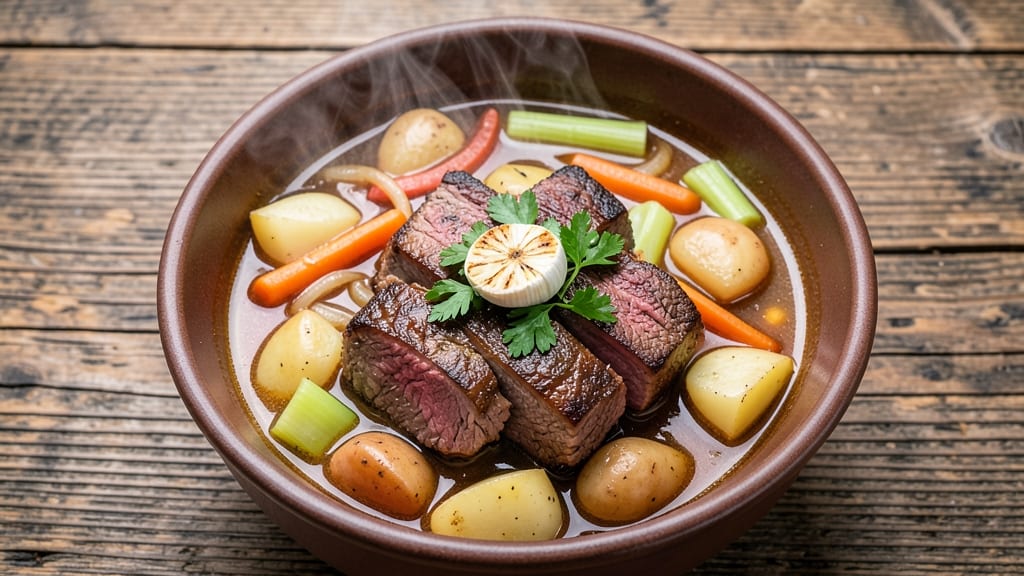
This Crock Pot beef stew soup recipe transforms tough cuts into melt-in-your-mouth perfection with minimal effort. The slow cooker's gentle heat breaks down meat while developing deep, savory flavors—no stove watching required. I've perfected this version over years of testing, ensuring every bite delivers that restaurant-quality tenderness you crave.
The secret lies in proper ingredient layering: browning the meat first for rich flavor, then combining vegetables and broth in the right order. A 6-hour low setting ensures the stew develops its signature depth without overcooking.
The result is a velvety broth filled with tender beef chunks, caramelized potatoes, and perfectly softened vegetables—all ready when you walk in the door.
What sets this apart is the foolproof technique that guarantees tender meat every time. The slow cooking process transforms inexpensive cuts into something luxurious, while the aromatic herbs and spices create complex layers of flavor.
This isn't just soup—it's a hearty, comforting meal that feels like a hug in a bowl.
Serve with crusty bread for dipping or alongside roasted vegetables for a complete meal. The leftovers reheat beautifully, making this the ultimate make-ahead recipe for busy weeks. Let's create this comforting classic that'll become your new favorite dinner.
Ingredients for beef stew soup recipe crock pot
Six hearty ingredients transform inexpensive beef into luxurious, melt-in-your-mouth perfection.
| Ingredient | Amount | Notes |
|---|---|---|
| Chuck Roast 🥩 | 2 ½ lb | Cut into 1.5-inch cubes |
| Yellow Onions 🧅 | 2 whole | Medium size, sliced into wedges |
| Carrots 🥕 | 4 whole | Medium size, cut into 2-inch chunks |
| Russet Potatoes 🥔 | 2 lb | Peeled, cut into 1.5-inch cubes |
| Celery Stalks 🧆 | 4 whole | Cut into 1-inch pieces |
| Garlic Cloves 🧄 | 6 cloves | Minced for depth of flavor |
| Beef Broth 💧 | 4 cups | Low-sodium preferred |
| Tomato Paste 🍅 | ½ cup | For rich, concentrated flavor |
| Red Wine 🍷 | ½ cup | Dry variety like Cabernet |
| Dried Thyme 🌿 | 1 tbsp | Or 1 tbsp fresh thyme leaves |
| Bay Leaves 🍃 | 2 whole | Remove before serving |
| Salt 🧂 | 1 ½ tsp | Adjust to taste |
| Ground Black Pepper 🌶️ | 1 tsp | Freshly ground preferred |
| Olive Oil 🫒 | 2 tbsp | For browning meat |
| All-Purpose Flour 🌾 | 2 tbsp | For thickening broth |
The chuck roast is your secret weapon here—its fat marbling melts into the broth during slow cooking, creating that restaurant-quality richness. Look for well-marbled cuts at the meat counter, and ask the butcher to cube it for you if they don't already. For the onions, carrots, and celery, Trader Joe's sells pre-chopped 'mirepoix' mixes that save time without sacrificing quality. The potatoes? Russets are ideal—they hold their shape better than waxy varieties. Pro tip: Pat the meat dry with paper towels before browning—it crisps up beautifully and develops deeper flavor.
No red wine? Substitute with extra beef broth and a splash of balsamic vinegar—it mimics the acidity perfectly. Fresh thyme isn't mandatory, but if you've got it, use double the amount of dried. For the tomato paste, avoid the watery squeeze tubes—look for the thick, concentrated cans at Whole Foods or any grocery store. The flour is just for thickening at the end, but trust me on this: don't skip browning the meat first. That Maillard reaction is what gives your stew its deep, caramelized flavor. And if you're short on time, frozen carrots work just as well as fresh—they're pre-cut and ready to go.
This stew tastes even better the next day as flavors meld together. Store leftovers in an airtight container for up to 5 days in the fridge, or freeze portions for 3 months. I always double the batch—one for dinner, one for lunches the next week. The broth thickens as it cools, so add a splash of water when reheating. For serving, crusty bread is a must—it soaks up that velvety broth like a dream. And save those bay leaves for another use—they're magical in rice dishes too.
Why You'll Love This Recipe
- Carrots So Sweet: The carrots melt into the broth until they’re practically candy—naturally sweet, fork-tender, and begging for seconds. (Yes, I’ve been known to eat them straight from the pot.)
- Budget-Friendly Feast: A single chuck roast stretches to feed six, and the veggies? Cheap as dirt. This is the kind of meal that makes me feel like I’m feeding a crowd without breaking the bank.
- Leftovers That Don’t Suck: Honestly, the second day is often better—more flavor, softer meat, and that rich broth just gets deeper. I freeze portions too; nothing beats reheating a steaming bowl on a lazy winter morning.
Step-by-step instructions for slow-cooked beef stew soup
Here's how to transform tough chuck roast into melt-in-your-mouth beef with deep, aromatic flavors.
Brown the Chuck Roast for Maximum Flavor
Heat a large Dutch oven over medium-high heat and add the 2 tablespoons olive oil. Working in batches if needed, sear the 1.5-inch cubes of chuck roast until deeply browned on all sides—this takes about 4-5 minutes per batch. You're looking for a rich, caramelized crust that will form the flavor foundation of your stew.
As you brown, remove the meat and set it aside. The reason we brown first is that this Maillard reaction creates complex flavors that can't be replicated by simply simmering raw meat. Don't rush this step—proper browning takes time and patience.
Sauté the Vegetable Base
In the same Dutch oven, add the sliced yellow onions, 2-inch carrot chunks, 1-inch celery pieces, and minced garlic cloves. Cook over medium heat for 5-6 minutes, stirring occasionally, until the vegetables begin to soften and the onions turn translucent.
Here's where the flavor really starts building. The onions should caramelize slightly at the edges, adding sweetness that balances the hearty beef. If the vegetables stick to the bottom, add a splash of water and scrape it up with a wooden spoon—this prevents burning and incorporates all those flavorful browned bits.
Build the Rich Stew Base
Stir in the 0.5 cup tomato paste and 0.5 cup red wine, scraping up any browned bits from the bottom of the pot. Let this mixture simmer for 2-3 minutes until the alcohol smell dissipates. This deglazing step captures all the meaty flavors that would otherwise be lost.
Sprinkle the 2 tablespoons all-purpose flour over the mixture and stir vigorously for 1 minute to create a roux. This will help thicken the stew later. Pour in the 4 cups beef broth, then add the 1.5 teaspoons salt, 1 teaspoon ground black pepper, 1 tablespoon dried thyme, and 2 bay leaves. Return all the browned chuck roast to the pot.
Slow Cook Until Fork-Tender
Transfer everything to your crock pot and cook on low heat for 8 hours or high heat for 4-5 hours. The stew should develop a rich, deep color and the meat should pull apart easily with a fork. This long cooking time is what transforms tough chuck roast into tender, flavorful beef.
About 30 minutes before serving, add the 2 lb peeled russet potatoes cut into 1.5-inch cubes. You want them to absorb all that delicious stew liquid without turning to mush. The potatoes should be tender but still hold their shape when pierced with a fork.
Finish and Serve with Confidence
Remove the 2 bay leaves before serving. Taste the stew and adjust seasoning if needed—you might need a bit more salt or pepper to balance the flavors after the long cooking time. Ladle the stew into bowls, making sure each serving gets a generous portion of those tender beef cubes and flavorful vegetables.
The result should be a hearty stew with rich, meaty flavors where the beef falls apart at the touch of a fork. Serve with crusty bread to soak up every last drop of that flavorful broth. This slow-cooked masterpiece proves that simple ingredients, given enough time, can create extraordinary comfort food.
Pro Tips For Making Beef Stew Soup Recipe Crock Pot
- SEAR THE ROAST FIRST: I learned this the hard way—skipping the sear means flavorless beef. Brown the chuck roast in a hot skillet with oil until it’s deep golden on all sides before dumping it into the crock pot. That crust locks in juices and adds depth the slow cooker alone can’t match.
- CHOP VEGGIES UNIFORM: Uneven pieces mean some carrots turn to mush while potatoes stay rock-hard. Cut onions, carrots, and celery into 1-inch chunks, and slice potatoes into 1.5-inch cubes. Russets hold up better than you’d think, but consistency is key—no one wants a stew with "textural surprises."
- DON’T OVERLOAD THE POT: I used to cram everything in, thinking more = better. Crock pots need breathing room—fill yours only 2/3 full to avoid a watery, diluted stew. If you’re worried about drying out, add broth after the initial 4-hour cook, not at the start.
- ADD POTATOES LATE: Potatoes absorb flavor like sponges, but they also turn to glue if cooked too long. Toss them in the last 1.5 hours of cooking (or even just the last 30 minutes if you’re impatient like me). This keeps them tender without turning the stew into a thick, pasty mess.
Storing and reheating this dish
Fridge Storage Essentials
Let your stew cool to room temperature (about 1-2 hours) before transferring to airtight containers—I use glass Pyrex with snap-on lids. Store at 40°F or below for up to 5 days, though I find the flavors deepen after the first day.
The broth thickens slightly as it cools, so add ¼ cup water when reheating to restore its velvety consistency. 🥣
Freezer Prep Tips
For long-term storage, freeze portions in quart-sized freezer bags (leave 1 inch headspace for expansion). I label each bag with the date—this stew keeps well for 3 months without losing quality.
For individual servings, use silicone ice cube trays to portion broth separately, then transfer to a bag. Thaw overnight in the fridge before reheating. ❄️
Reheating Perfection
My preferred method is stovetop: transfer stew to a pot and heat over medium-low heat for 10-15 minutes, stirring occasionally. For microwave reheating, use 50% power in 2-minute intervals until steaming hot.
Always stir well—this prevents uneven heating and potential burning. The potatoes may absorb extra liquid, so add 2-3 tablespoons broth if needed. 🔥
Reviving Texture
If reheated stew seems too thick, thin with warm beef broth (start with 2 tablespoons at a time). For extra richness, stir in 1 teaspoon butter or 1 tablespoon heavy cream during reheating.
I also add a pinch of salt and pepper—the flavors mellow slightly during storage. Never reheat above 165°F to maintain food safety. ✨
Portion Control
Divide into 2-cup servings for easy meal prep—I store these in individual containers for quick grab-and-go lunches. For family dinners, double the recipe and freeze half immediately.
The crock pot reheats beautifully from frozen—just add 30 minutes to the cooking time. Label containers with "Stew" and date to stay organized. 📅
Serving Leftovers
Leftovers make fantastic lunches—pack with crusty bread or crackers for dipping. For a quick upgrade, top with fresh parsley or a dollop of sour cream. I sometimes reheat portions and serve over mashed potatoes for a heartier meal.
The beauty of this stew is how versatile it remains even after reheating. 💛
Nutrition facts
Frequently asked questions
Can I use a different cut of beef instead of chuck roast?
Chuck roast is ideal for its marbling, but you can substitute with stew meat or even beef short ribs (add 1 extra hour to cooking time). For leaner cuts like sirloin, increase the cooking time to 9-10 hours low to ensure tenderness. The key is choosing a cut that benefits from slow cooking.
What if I don't have red wine? What's the best substitute?
No red wine? No problem! Use ½ cup beef broth + 1 tablespoon balsamic vinegar for acidity, or ½ cup apple cider for sweetness. For depth, add 1 teaspoon soy sauce or ½ teaspoon Worcestershire sauce. The wine adds complexity, but these substitutes work beautifully too.
How do I know when the beef is fully tender?
The beef is ready when it falls apart easily with a fork and the internal temperature reaches 203°F. Test by piercing a piece—if it shreds cleanly, it's perfect. For extra insurance, cook 1 extra hour on low if the meat feels slightly firm. The long cook time is what makes this stew so forgiving!
Can I make this stew in an Instant Pot instead?
Yes! Sauté the meat and vegetables as directed, then add all ingredients and cook on high pressure for 45 minutes (natural release). For potatoes, add them in the last 10 minutes of cooking. The Instant Pot version cooks faster but requires more attention to avoid overcooking the meat.
Why does my stew taste bland after cooking?
Bland stew usually means one of two things: under-seasoning or not enough browning. Double-check your salt and pepper, then taste the broth separately. If it's weak, add 1 teaspoon bouillon powder or a splash of soy sauce. For richer flavor, always brown the meat thoroughly before slow cooking—this builds depth that can't be replicated otherwise.