
Soups & Stews
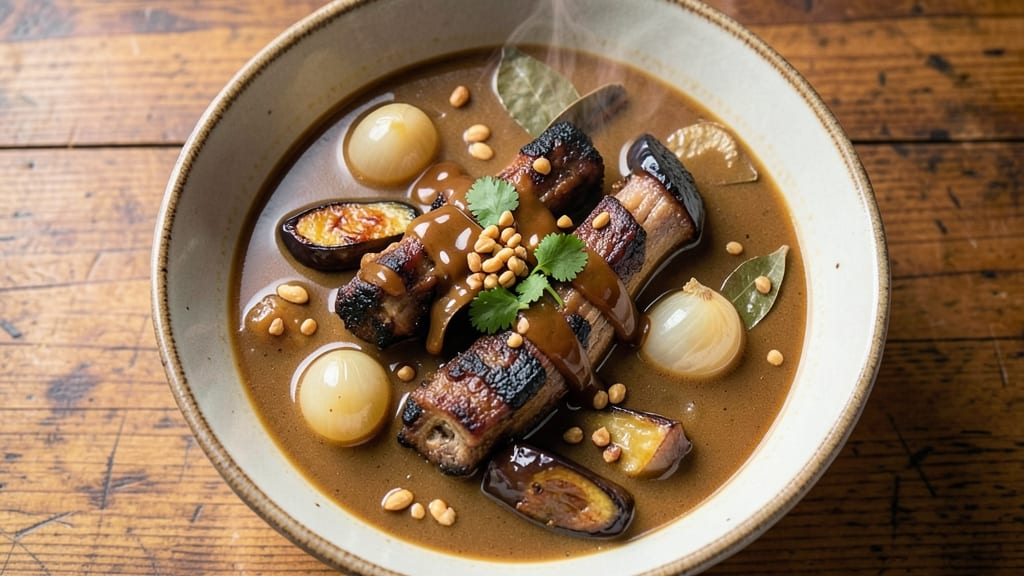
This Filipino beef bone soup recipe delivers the deep, umami-rich broth that defines Filipino comfort food—where charred bone crunch meets tender meat and aromatic vegetables.
The secret lies in slow-simmering beef bones until the collagen dissolves into a velvety, golden-hued broth, then balancing it with vinegar, ginger, and bay leaves for that signature tangy depth.
I first made this during a rainy weekend when I wanted to recreate my lola’s version, and now it’s my go-to for feeding a crowd or warming up winter nights.
The beauty of this dish is in its three-stage process: first charring the bones for maximum flavor, then simmering them for hours to extract every ounce of collagen, and finally incorporating vegetables and herbs at just the right moment.
Unlike lighter broths, this one develops a thick, almost gelatinous texture that coats every spoonful—proof that slow cooking transforms simple ingredients into something extraordinary. The result? A soup so rich it feels like a hug in a bowl, with each bite offering layers of savory, sweet, and slightly tangy notes.
What sets this apart is the charred bone crunch—a technique I learned from my grandmother, where we toast the bones until they develop a smoky aroma before simmering. This step alone intensifies the broth’s depth, creating a flavor profile that’s both complex and comforting.
The vegetables—carrots, potatoes, and cabbage—soak up the broth’s essence, while the addition of vinegar and soy sauce at the end brightens the dish without overpowering its natural richness.
Serve it with steamed rice on the side and a sprinkle of chopped green onions for freshness. Leftovers taste even better the next day as the flavors meld further—a testament to why this dish is a staple in Filipino homes.
Ready to make your kitchen smell like home? Let’s get started.
Ingredients for beef bone soup filipino
These ingredients transform into a rich, umami-packed Filipino beef bone soup that warms the soul.
| Ingredient | Amount | Notes |
|---|---|---|
| Beef Bones (marrow and knuckle) 🦴 | 4 lb | Charred for deep flavor |
| Yellow Onions 🧅 | 2 whole | Chopped, medium size |
| Garlic Cloves 🧄 | 8 cloves | Minced, peeled |
| Fresh Ginger 🌿 | 2 tbsp | Grated, peeled |
| Bay Leaves 🌿 | 4 whole | Dried, standard size |
| Canned Tomatoes 🍅 | 1 can (28 oz) | Crushed, San Marzano preferred |
| White Vinegar 💧 | ¼ cup | Distilled, for brightness |
| Soy Sauce 🥄 | ½ cup | Dark, for umami depth |
| Carrots 🥕 | 4 whole | Medium size, sliced |
| Potatoes 🥔 | 2 lb | Russet, cubed |
| Green Cabbage 🥬 | 1 small head | Cut into wedges |
| Green Onions 🧅 | ¼ cup | Chopped, for garnish |
| Olive Oil 🫒 | ½ cup | Extra-virgin, for charring |
| Salt 🧂 | 2 tbsp | Kosher or sea salt |
| Black Peppercorns 🌶️ | 1 tbsp | Crushed, whole |
The beef bones are non-negotiable here—marrow and knuckle bones give you that signature gelatinous texture. Grab them from Filipino markets or the butcher section at Whole Foods, where they often carry specialty cuts. If you can't find them, beef shank bones work in a pinch, though they won't be as rich. Char them until deeply browned—this step unlocks the deep, smoky flavor that defines this soup. The ginger and garlic? Freshly grated and minced make all the difference; pre-minced garlic loses its punch fast.
No San Marzano tomatoes? Any good-quality crushed tomatoes will do—just look for ones without added salt. Vinegar and soy sauce are your flavor anchors: distilled white vinegar for brightness, dark soy sauce for that umami kick. The carrots and potatoes can be swapped for sweet potatoes or parsnips if you're feeling adventurous, but stick with Russets for the classic texture. For the cabbage, green or red both work, but green holds up better to long simmering. If you're short on time, pre-chopped frozen veggies save steps without sacrificing flavor.
This soup tastes even better the next day as the flavors meld—plan ahead. Store it in the fridge for up to 5 days or freeze portions for 3 months. The bones? Save any leftover charred bones for future batches—they're flavor gold. To reheat, warm gently on the stove; adding a splash of water or broth prevents it from thickening too much. Serve with steamed rice and extra green onions sprinkled on top—trust me on this garnish
Why You'll Love This Recipe
- Marrow Magic Ready: I swear by this recipe because the marrow bones release their rich, velvety goodness with almost no effort—just a slow simmer and a fork. No fancy techniques, just patience and the kind of deep flavor that makes every spoonful worth it.
- Umami Bomb Combo: That garlic, ginger, and bay leaf trio? It’s the secret weapon. The onions caramelize into sweet depth, while the ginger adds a bright kick that cuts through the richness—like a perfect balance of comfort and complexity in one bowl.
- Leftover Goldmine: This soup tastes even better the next day, honestly. I make a big batch on Sundays, and by Wednesday, it’s still the star of our meals—whether reheated for lunch or turned into quick noodle dishes. Minimal waste, maximum flavor.
- Budget-Friendly Feast: Knuckle bones and marrow aren’t cheap, but they stretch into a meal that feeds four for the price of takeout. Plus, the aromatics (onions, garlic, ginger) are pantry staples—so you’re basically getting restaurant-quality flavor without breaking the bank.
Step-by-step instructions for beef bone soup Filipino recipe
Here's how to craft a rich, umami-packed Filipino beef bone soup with that signature charred bone crunch.
Char the Beef Bones for Maximum Flavor
Preheat your oven to 450°F and line a baking sheet with foil. Arrange the 4 lb beef bones (marrow and knuckle) on the sheet, leaving space between each piece. Drizzle with 0.5 cup olive oil and rub it evenly over all surfaces, including the marrow cavities.
Roast for 25-30 minutes until the bones develop a deep mahogany color and you can smell that intense, caramelized aroma. Flip them halfway through for even charring. This step is non-negotiable—charred bones infuse the broth with unmatched depth of flavor. Once done, transfer the bones to a large stockpot.
Build the Aromatic Base
In the same stockpot with the charred bones, add the 2 whole yellow onions (chopped), 8 cloves garlic (minced), and 2 tbsp fresh ginger (grated). Pour in 0.25 cup white vinegar and 0.5 cup soy sauce, then add 2 tbsp salt and 1 tbsp crushed black peppercorns.
Stir everything together and bring to a boil over high heat. Once boiling vigorously, reduce to a simmer and let cook uncovered for 10 minutes, stirring occasionally. You'll see the aromatics soften and release their oils, creating the foundation for your broth's complex flavor profile. This is where the magic begins.
Simmer the Broth with Vegetables
Add 4 whole bay leaves, 1 can (28 oz) crushed tomatoes, 4 whole carrots (sliced), and 2 lb potatoes (cubed) to the pot. Pour in enough water to cover all ingredients by about 2 inches—you'll need approximately 12 cups total. Stir gently to combine.
Bring back to a simmer and maintain a gentle bubble. Partially cover the pot (leave a small gap) and cook for 2 hours, skimming any foam that rises to the surface. The broth should develop a rich, amber color and an intoxicating aroma. You'll know it's ready when the vegetables are tender and the bones are falling off the bone.
Add the Cabbage and Finish
After the initial 2-hour simmer, add the 1 small head green cabbage (cut into wedges) to the pot. Return to a simmer and cook for an additional 30-45 minutes until the cabbage is tender but still holds its shape. The broth should now be deeply flavorful with a perfect balance of sweetness from the carrots and potatoes, acidity from the tomatoes, and umami from the soy sauce and charred bones.
Prepare and Serve
Remove the stockpot from heat and let the soup rest for 10 minutes. This resting period allows the flavors to meld completely. Before serving, garnish each bowl with 0.25 cup chopped green onions and any remaining charred bone pieces for that signature crunch.
Ladle the hot soup into bowls, making sure each serving gets plenty of vegetables and broth. The perfect bowl should have tender meat from the bones, soft vegetables, and a rich, flavorful broth that coats every spoonful. Serve immediately with steamed rice to soak up all that delicious broth.
Pro Tips For Making Beef Bone Soup Filipino
- CHAR THE BONES FIRST: I learned this the hard way—skipping the charring step means your soup will taste bland and watery. Use a heavy pot and sear the knuckle and marrow bones over medium-high heat until deep brown (about 8-10 minutes per side). The Maillard reaction here is non-negotiable for that rich, caramelized depth Filipinos crave.
- PEEL GINGER LIKE A PRO: Sounds weird, but it works: Use a spoon to gently tap the ginger root before peeling. This loosens the skin so it slides off cleanly—no wasted time scrubbing or peeling with a knife. For this soup, slice it thin (about 3mm) so it infuses flavor without overpowering.
- DON’T CROWD THE POT: I used to jam all the bones in at once, thinking more meant richer broth. Wrong. Give them space to develop that crust, or you’ll end up with a murky, underflavored liquid. Start with half the bones, char them, then add the rest in batches—your soup will thank you.
- SAVE TIME WITH ONION LAYERS: Instead of chopping onions into tiny pieces (which burn fast), slice them into thick wedges and layer them whole on top of the charred bones. As the soup simmers, they’ll soften and release sweetness without turning to mush. Just fish them out later—no extra prep.
Wine and beer pairings for this dish
Filipino-Inspired Reds
This rich, umami-packed soup pairs beautifully with medium-bodied red wines that complement its deep flavors without overpowering them. I reach for a Tempranillo from Spain—its earthy notes and subtle spice mirror the charred bone aroma, while its acidity cuts through the broth’s richness.
A Pinot Noir from Oregon also works wonderfully, offering red fruit undertones that harmonize with the soy and vinegar. 🍷
Crisp Whites for Balance
If red wine isn’t your preference, a dry Riesling or Vermentino brings brightness to the table. The crisp acidity in these whites refreshes your palate between each spoonful of hearty soup, especially after the savory soy and vinegar.
For a local twist, a Filipino-made Sauvignon Blanc (like those from Bohol or Batangas) adds tropical notes that play nicely with the carrots and cabbage.
Malty Beers for Hearty Pairings
Beer lovers should opt for amber ales or brown ales—their malty sweetness and caramel undertones echo the soup’s depth. A Filipino-style lager like San Miguel or Red Horse provides a clean, crisp finish that balances the dish’s richness.
For a craft option, try a Belgian Dubbel, which adds a subtle fruitiness that pairs surprisingly well with the umami broth. 🍺
Avoid Heavy or Oaky Choices
Skip bold reds like Cabernet Sauvignon or Syrah, as their tannins can clash with the soup’s smooth texture. Heavy whites like Chardonnay (unless unoaked) or sweet wines will overwhelm the dish’s delicate balance of tangy and savory.
The goal is to let the soup’s flavors shine, not compete with them.
Non-Alcoholic Options
For a refreshing non-alcoholic pairing, serve ginger beer (like Feather’s) or sparkling yuzu soda—both enhance the soup’s ginger and vinegar notes. A coconut water-based drink with lime also works, offering a light contrast to the hearty broth.
For something warm, hot Filipino-style tea (like salabat with ginger) complements the meal perfectly.
Nutrition facts
Frequently asked questions
Why do we char the beef bones first?
Charred bones unlock the soup's deep, smoky flavor profile—this Maillard reaction creates complex caramelized notes that infuse the broth for hours of simmering. The bones develop a mahogany color and intense aroma that transforms a simple broth into something truly special. Skipping this step results in a much milder flavor.
Can I use chicken or pork bones instead?
While you can substitute, beef bones are ideal for this recipe because their high collagen content creates that signature gelatinous texture Filipino bone soups are known for. Chicken bones will work but produce a lighter broth, while pork bones add richness but may make the soup too fatty. For best results, stick with beef.
How do I know when the broth is ready?
The broth is perfect when it develops a rich amber color and has a thick, almost jelly-like consistency when chilled. You'll also notice the vegetables are fork-tender and the bones are falling apart. The aroma should be intoxicating—savory with hints of vinegar and soy. Taste test after 2 hours of simmering.
What if my soup tastes too salty?
This happens when the soy sauce or salt overpowers the broth. To fix it, add 1 cup of water or broth and simmer for 10-15 minutes to dilute the flavor. For future batches, reduce soy sauce to 0.25 cup and taste the broth before adding all the salt. The vinegar helps balance saltiness naturally.
Can I make this soup in a slow cooker?
Char the bones first (still essential), then transfer everything to a 6-quart slow cooker. Cook on low for 8-10 hours or high for 5-6 hours, adding water as needed. The slow cooker method actually enhances the broth's richness. Just add the cabbage in the last 30 minutes to prevent mushiness.